Powell's Hawkish Jackson Hole Speech Revives Rate Hike Expectations
Crhk · 3 SOURCES1 day ago3 MIN
Summary
Federal Reserve Chair Jerome Powell delivered a distinctly hawkish speech at the Jackson Hole global central banking symposium, warning that the door to further monetary tightening remains open and that short-term policy easing is not on the agenda . The remarks sent shockwaves through markets: probability calculations for a September Fed rate increase jumped from approximately 35% to between 50% and 60%, prompting major banks including Barclays and Societe Generale to revise their forecasts to two quarter-point hikes in September and December . U.S. Treasury yields rose in response, with the 10-year note climbing to 4.7% and the 30-year bond hovering near 5.2% . The Japanese yen weakened past the 160 level against the dollar, though U.S. Treasury Secretary Scott Bessent downplayed the move as fundamentally different from the disorderly trading that triggered coordinated intervention last month . Invesco's Asia-Pacific macro strategist Doyeun Zhao argued that while markets reacted sharply, a September rate hike remains far from certain, noting that upcoming inflation and labor market data will prove decisive . Gold prices extended their slide, briefly dipping below $4,400 per ounce amid the recalibration of Fed expectations, though analysts noted that the precious metal remains on pace for its strongest monthly performance since January .
Key Points
- Powell's Jackson Hole speech emphasized the Fed's "unwavering" commitment to the 2% inflation target, stating that 65 consecutive months of above-target inflation reflects directly on the central bank
- September rate hike odds jumped from about 35% to 50-60% following Powell's remarks, with Barclays and Societe Generale updating forecasts to predict hikes in September and December
- The 10-year U.S. Treasury yield rose to 4.7%, while the 30-year yield settled near 5.2%, reflecting tighter monetary policy expectations
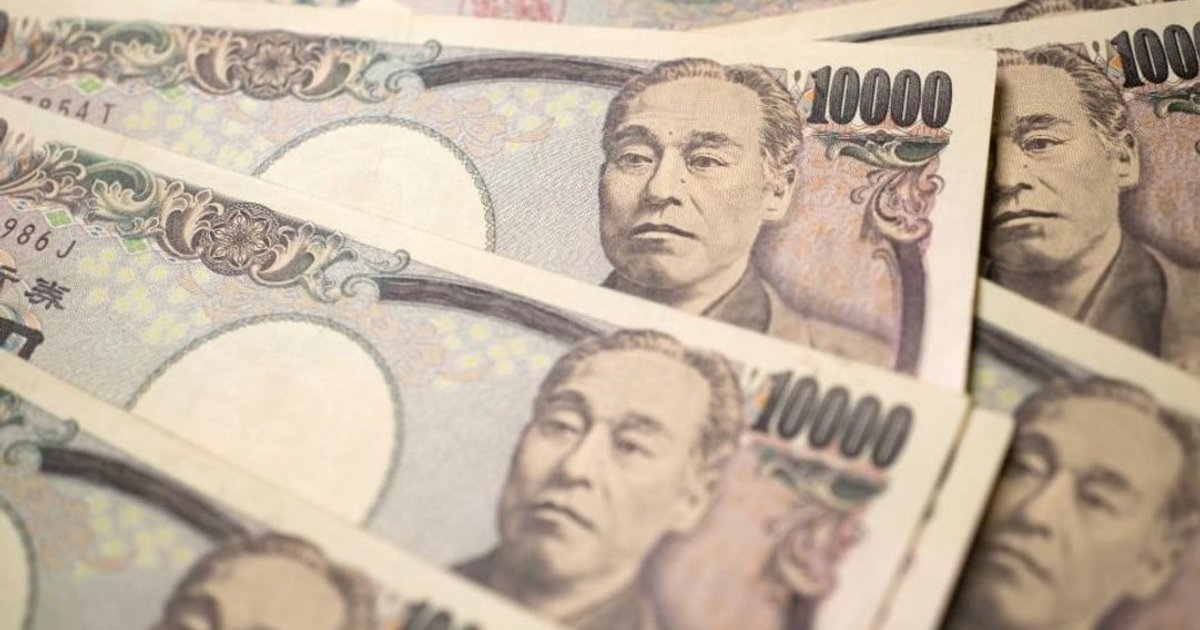
- The yen slipped past 160 per dollar to approximately 159.8, though Bessent characterized the move as "substantially controlled" compared to the chaotic conditions in July
- Spot gold fell to $4,396.65, down more than 6% from last week's peak of $4,696.79, though the metal has still gained roughly 10% in August
Why It Matters
The sharp repricing of Fed rate expectations carries direct implications for Hong Kong's linked exchange rate system and the city's mortgage market, where higher U.S. rates typically translate into elevated borrowing costs. Invesco's Zhao noted that while extended high rates may trigger periodic market volatility, the underlying resilience of the U.S. economy continues to underpin risk assets globally . For Hong Kong investors, the divergence between a hawkish Federal Reserve and the dovish positioning of the U.S. Treasury—which has initiated bond buyback operations to lower borrowing costs—suggests the "currency debasement trade" that has supported gold may persist, benefiting portfolios with precious metal exposure .
The sharp repricing of Fed rate expectations carries direct implications for Hong Kong's linked exchange rate system and the city's mortgage market, where higher U.S. rates typically translate into elevated borrowing costs. Invesco's Zhao noted that while extended high rates may trigger periodic market volatility, the underlying resilience of the U.S. economy continues to underpin risk assets globally . For Hong Kong investors, the divergence between a hawkish Federal Reserve and the dovish positioning of the U.S. Treasury—which has initiated bond buyback operations to lower borrowing costs—suggests the "currency debasement trade" that has supported gold may persist, benefiting portfolios with precious metal exposure .