Lingnan Study: Ownership of Pain Relief Items Extends Tolerance Without Medication
Bastillepost · 3 SOURCESabout 7 hours ago2 MIN
Summary
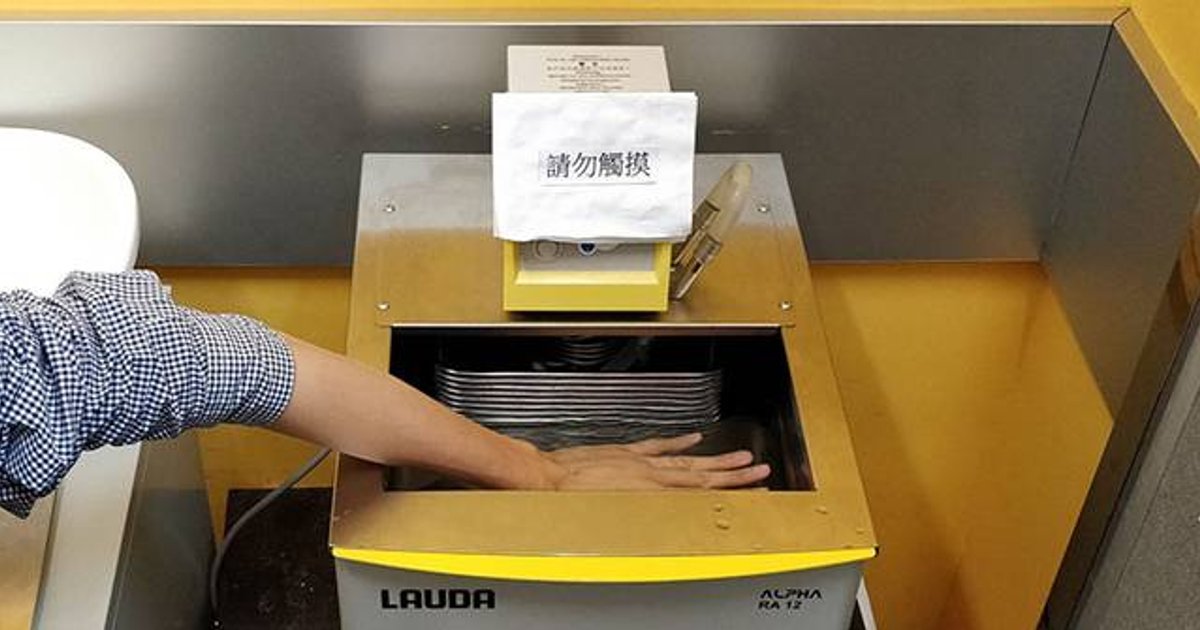
Lingnan University psychology researchers discovered that possessing a sense of ownership over a pain-relief item can help people endure pain more effectively, even when the item contains no actual analgesic properties and is never used . The study published in the international journal The Journal of Pain involved 187 healthy adults in controlled cold water immersion experiments . Participants who received creams bearing their own names and psychologically connected with them took significantly longer to first feel pain and could tolerate discomfort for longer periods . The researchers concluded that the psychological bond between a person and a treatment-related item can influence pain response, opening new possibilities for low-cost pain management strategies .
Key Points
- Study conducted by Lingnan University psychology department, published in The Journal of Pain, involved 187 healthy adults in cold water immersion tests measuring time to first pain sensation and pain tolerance duration .
- Participants receiving creams with their own names took an average of 8.03 seconds to first feel pain, compared to 3.92-5.14 seconds for other groups; their pain tolerance averaged about 105 seconds versus 53-66 seconds for others .
- All participants never used the creams, which contained no actual analgesic ingredients and were undisclosed placebos .
- A follow-up study found this ownership effect operates automatically without deliberate thought; those with placebo creams averaged 85.3 seconds tolerance versus 53.8 seconds for non-owners, nearly 60% longer .
- Led by Professor Yeung Wai-lan, Associate Dean of the Faculty of Social Sciences; co-authored by Dr. Li Wan-on from Hong Kong Shue Yan University, Wu Siqi, and Qiu Jian .
Why It Matters
This research suggests that giving patients ownership of treatment-related items with personal significance could enhance pain management outcomes without pharmaceutical intervention . Healthcare providers could explore using personalized medical supplies such as items labeled with patients' names, offering a safe, low-cost complement to traditional medical treatments .
This research suggests that giving patients ownership of treatment-related items with personal significance could enhance pain management outcomes without pharmaceutical intervention . Healthcare providers could explore using personalized medical supplies such as items labeled with patients' names, offering a safe, low-cost complement to traditional medical treatments .