SHKP posts 4.6% profit rise as Hong Kong property market recovers
SCMP · 1 SOURCESabout 3 hours ago2 MIN
Summary
Sun Hung Kai Properties (SHKP), Hong Kong's largest developer by market capitalisation, has reported a 4.6 percent rise in underlying profit for the fiscal year ending June, reaching HK$22.85 billion (US$2.91 billion), according to its filing with the Hong Kong stock exchange on Thursday . The reported profit increased to HK$21.43 billion, supported by a net revaluation gain of HK$1.38 billion compared with a HK$742 million loss in the previous year .
Key Points
- Underlying profit for fiscal year ending June rose 4.6 percent to HK$22.85 billion (US$2.91 billion), excluding investment property revaluations
- Reported profit increased to HK$21.43 billion, backed by a net revaluation gain of HK$1.38 billion versus HK$742 million loss last year
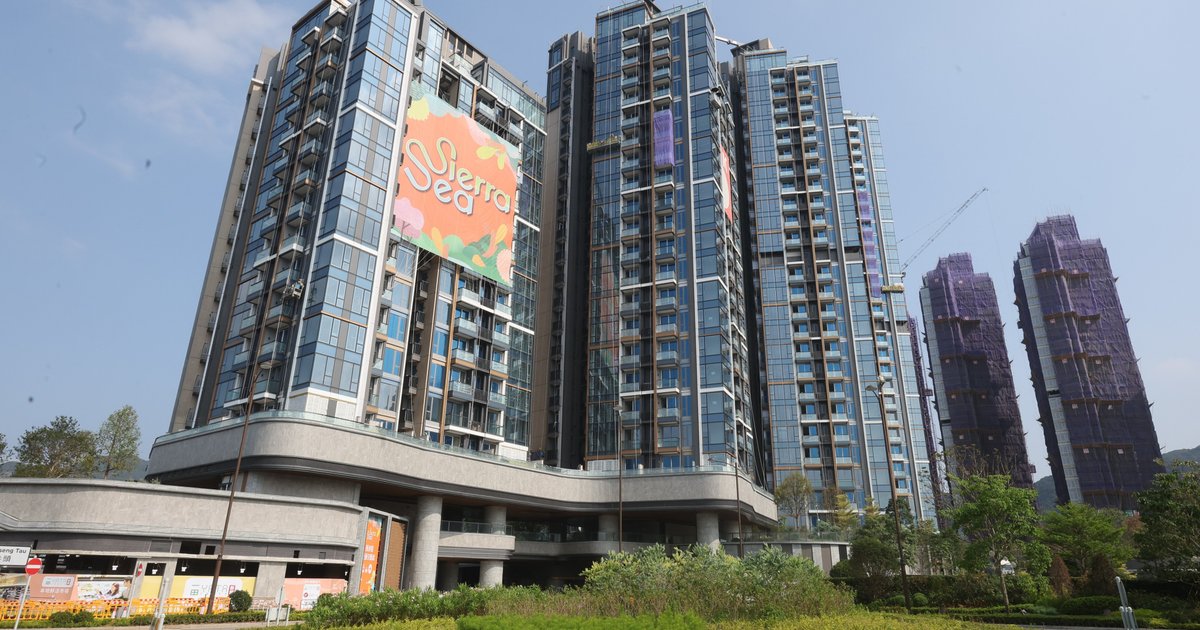
- Contracted sales in Hong Kong amounted to HK$38.1 billion, with major contributors including Sierra Sea of Sai Sha Residences and Cullinan Sky and Cullinan Harbour in Kai Tak
- Chairman Raymond Kwok credited recovery to improved economic conditions, active financial markets, and accommodative interest rate environment
- Lived-in home prices jumped 3.59 percent in 2025, marking recovery from a three-year slump, according to Rating and Valuation Department data
Why It Matters
The strong financial performance signals broader confidence in Hong Kong's property sector, which had been navigating a prolonged downturn since 2022 . As the city's largest developer, SHKP's results reflect how policy measures and talent inflow have stabilised the residential market, with potential implications for land revenues and broader economic sentiment in the Northern Metropolis development zones .
The strong financial performance signals broader confidence in Hong Kong's property sector, which had been navigating a prolonged downturn since 2022 . As the city's largest developer, SHKP's results reflect how policy measures and talent inflow have stabilised the residential market, with potential implications for land revenues and broader economic sentiment in the Northern Metropolis development zones .