US-Iran Naval Clash Escalates: Strait of Hormuz Shipping Traffic Drops to Five-Month Low
Crhk · 2 SOURCESabout 2 hours ago3 MIN
Summary
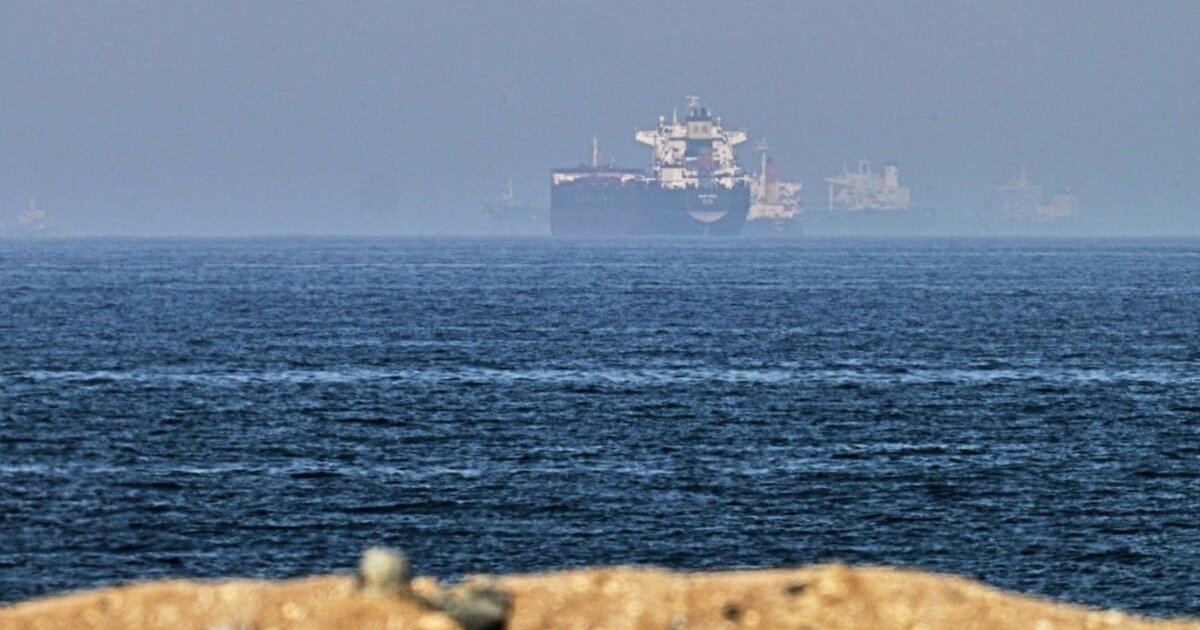
Tensions between Washington and Tehran have reached a dangerous new level following a rapid exchange of naval strikes in the Persian Gulf and Strait of Hormuz. The U.S. military destroyed three Iranian oil tankers on Saturday, September 5, 2026, asserting it was responding to attacks by Iran's Islamic Revolutionary Guard Corps (IRGC) Navy on two American warships operating in the region. Within hours, the IRGC Navy launched retaliatory strikes against three U.S. vessels and three oil tankers navigating without authorization through the strategic waterway, according to statements from both sides. The escalating confrontation has severely disrupted commercial shipping, with daily vessel transits through the Strait of Hormuz falling to approximately 10 ships over the past 10 days ending September 6 — the lowest figure recorded since May 2026. Oil markets reacted sharply, with Brent crude climbing to $96.30 per barrel while New York crude hovered around $91 per barrel.
Key Points
- The U.S. Central Command confirmed on September 5 that American forces "destroyed" three Iranian oil tankers as a proportional response to IRGC attacks on two U.S. warships patrolling regional waters .
- Iran's Islamic Revolutionary Guard Corps Navy commander issued a statement on September 5 announcing retaliatory strikes against three American vessels and three oil tankers operating on unauthorized routes through the Strait of Hormuz .
- The Fars News Agency reported that IRGC Navy issued a warning to all vessels near the Persian Gulf and Strait of Hormuz, cautioning them against being "deceived" by the U.S. military and avoiding suspicious activities on unauthorized routes .
- Iran's Ministry of Foreign Affairs issued a statement on September 5 strongly condemning U.S. attacks on Iranian commercial ships, declaring the actions "illegal aggression" and "part of America's economic warfare and naval blockade" against Iran, constituting "war crimes" under the United Nations Charter .
- A Greek maritime risk management company assessed that the mutual strikes represent a "major escalation" in the U.S.-Iran maritime conflict, with commercial tankers now being used as "equivalent economic pressure tools" .
- Iranian Supreme National Security Council Secretary Ali Rezaei announced on September 6 that Iran will imminently establish an exclusion zone beyond the Strait of Hormuz, extending from the U.S. Navy "blockade line" into portions of the Persian Gulf, with any vessel entering to be placed on a sanctions list .
Why It Matters
The Strait of Hormuz is the world's most critical oil transit corridor, handling roughly 20% of global oil shipments, and the sustained disruption of shipping traffic poses direct implications for global energy prices and supply chain stability . For Hong Kong, which relies on Middle East crude oil for its energy needs and has major shipping and trading interests in the region, this escalation could translate into higher fuel costs and increased insurance premiums for vessels navigating contested waters . The establishment of an Iranian exclusion zone and the use of commercial tankers as leverage in U.S.-Iranian economic warfare signal that the conflict may expand beyond military-to-military engagements, threatening commercial shipping on a broader scale .
The Strait of Hormuz is the world's most critical oil transit corridor, handling roughly 20% of global oil shipments, and the sustained disruption of shipping traffic poses direct implications for global energy prices and supply chain stability . For Hong Kong, which relies on Middle East crude oil for its energy needs and has major shipping and trading interests in the region, this escalation could translate into higher fuel costs and increased insurance premiums for vessels navigating contested waters . The establishment of an Iranian exclusion zone and the use of commercial tankers as leverage in U.S.-Iranian economic warfare signal that the conflict may expand beyond military-to-military engagements, threatening commercial shipping on a broader scale .