Man City Ruled Guilty of Inflating Sponsorship Revenue by HK$8.6bn Over Nine Seasons
SingTao · 1 SOURCESabout 8 hours ago2 MIN
Summary
The Premier League Independent Commission has delivered a damning verdict on Manchester City, ruling that the club committed serious breaches of financial regulations throughout nine seasons between 2009 and 2018. The commission's 40-page ruling found that City systematically inflated sponsorship revenue and understated expenditures to appear compliant with league financial rules. The case represents one of the most significant financial misconduct findings in modern football history.
Key Points
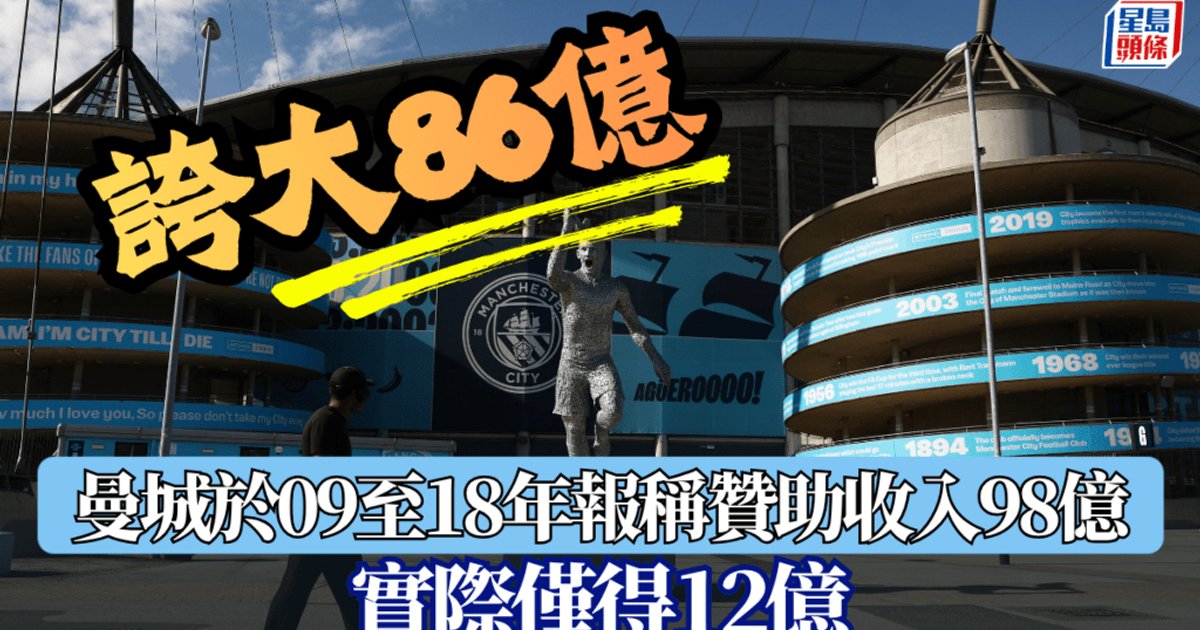
- Manchester City reported sponsorship income of £949.94 million (HK$9.86 billion) across nine seasons, but actual sponsor payments amounted to only £119.25 million (HK$1.24 billion)
- The club inflated its sponsorship revenue by approximately £830.69 million (HK$8.6 billion), with the Abu Dhabi ownership group and investment development companies covering the gap
- From the 2012-13 season onward, owners "filled the gap" in sponsorship fees to the tune of over £1 billion across six consecutive seasons
- In one egregious example, the club realized it was £9.9 million short of UEFA financial compliance just one week before the 2012-13 season ended, then fabricated revised sponsorship contracts within days without contacting sponsors
- The Independent Commission rejected City's claim that the Premier League had misinterpreted the sponsorship agreements, stating the contracts were manufactured to pass financial checks
Why It Matters
This ruling exposes systematic financial manipulation at one of the world's wealthiest football clubs, raising questions about the integrity of financial oversight in elite football. For Hong Kong investors with exposure to European football through investment funds or club shares, this case signals heightened regulatory scrutiny and potential systemic risks in club governance and valuation.
This ruling exposes systematic financial manipulation at one of the world's wealthiest football clubs, raising questions about the integrity of financial oversight in elite football. For Hong Kong investors with exposure to European football through investment funds or club shares, this case signals heightened regulatory scrutiny and potential systemic risks in club governance and valuation.