Middle-Class Housing Transactions Hit 3-Year High in First 10 Months of 2026
SingTao · 1 SOURCESabout 4 hours ago5 MIN
Summary
Hong Kong's middle-class housing sector has recorded a significant upturn, with transaction volumes reaching a three-year high in the first ten months of 2026. According to data from the Land Registry, the ten designated middle-class housing estates logged 124 second-hand registrations, representing a 6.9% increase from 116 transactions during the same period last year. The market showed mixed performance, with five estates reporting gains and five showing declines.
Key Points
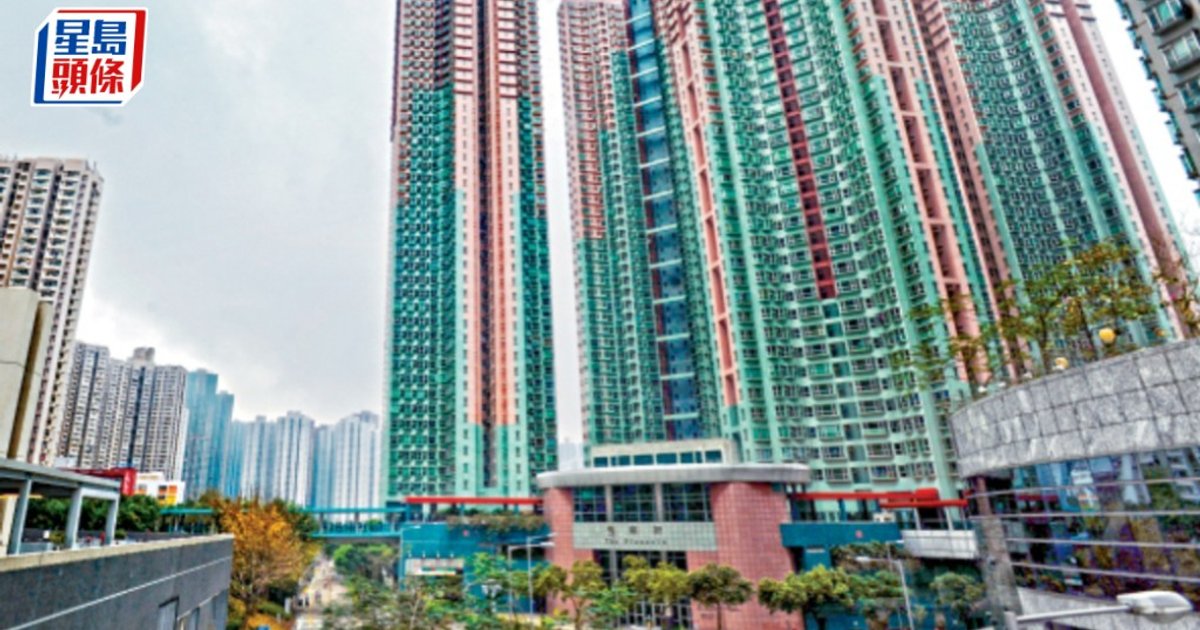
- Tseung Kwan O's Castia Court (疊翠軒) dominated the market with 30 registrations, surging 66.7% from 18 transactions a year earlier, boosted by its pedestrian bridge link to MTR Po Lam Station
- Three-bedroom units ranging from 591 to 660 square feet dominated sales at Castia Court, priced between HK$5.12 million and HK$7.68 million, accounting for 25 of the 30 transactions
- Premium three-bedroom units exceeding 650 square feet with two bathrooms and a store room comprised approximately 10 transactions, priced at HK$7.15 million to HK$7.68 million
- Diamond Hill's Yuet Court (悅庭軒) recorded 18 transactions, surging 200% from six last year; Sha Tin's Ching Pik Garden (晴碧花園) had seven transactions, up 133% from three
- Conversely, several estates saw declines: Tsing Yi's Wang Fuk Court (宏福花園) dropped 77.8% to just two transactions, while Kwai Chung's Ho King Terrace (浩景臺) fell 48% to 13 transactions
Why It Matters
The surge in middle-class housing transactions reflects growing buyer confidence in Hong Kong's property market, particularly for well-located estates with MTR connectivity . However, the divergent performance across estates underscores that location advantages—such as proximity to railway infrastructure—increasingly drive market differentiation in this segment .
The surge in middle-class housing transactions reflects growing buyer confidence in Hong Kong's property market, particularly for well-located estates with MTR connectivity . However, the divergent performance across estates underscores that location advantages—such as proximity to railway infrastructure—increasingly drive market differentiation in this segment .