Consumer Council Warns of Rising Beauty Marketing Complaints as Opatra London Store Controversy Emerges
On.cc · 2 SOURCESabout 3 hours ago6 MIN
Summary
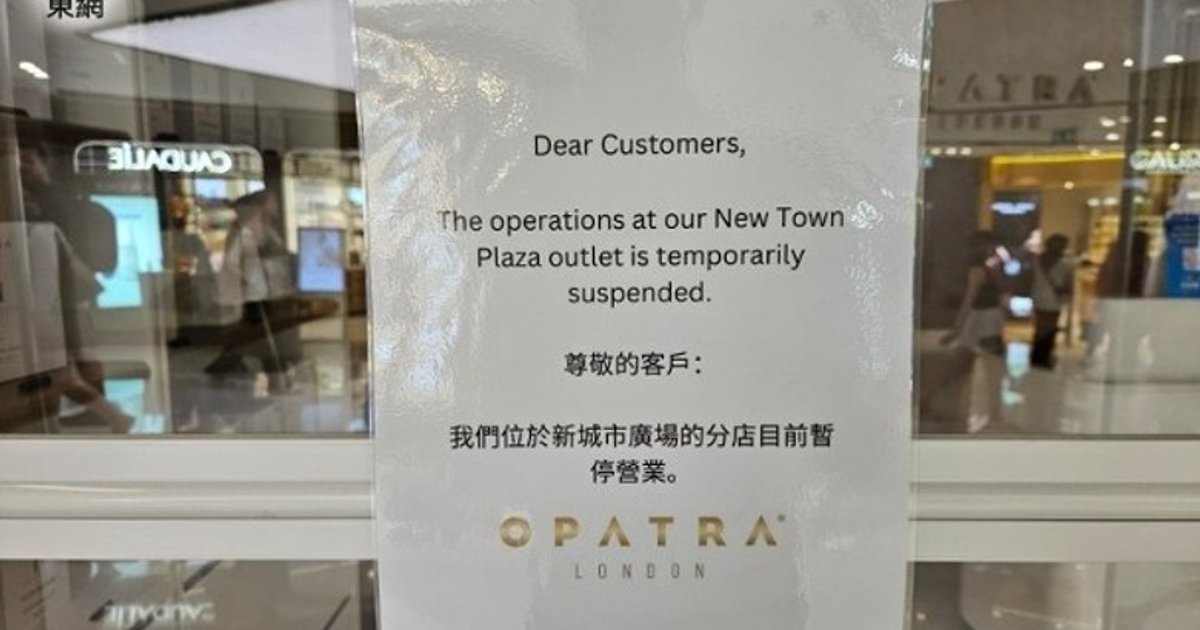
Opatra London, a chain beauty store located at New Town Plaza in Sha Tin, has been accused of employing improper business practices to push products on customers. The Consumer Council stated on August 19 that it has not yet received formal complaints from the affected individual but emphasized it would pursue the matter rigorously if multiple complaints emerge against the same merchant or if consumers officially report the incident. The controversy comes as new data reveals beauty industry sales complaints have climbed steadily, rising from 50 cases in 2023 to 89 cases in just the first eight months of 2026. Industry insiders argue that while such aggressive tactics are not representative of the sector as a whole, the practice of "half-pushed, half-willing" sales makes prosecution under existing trade description laws extremely difficult.
Key Points
- Consumer Council has not received complaints from Opatra London Sha Tin incident, but will act if pattern emerges
- Beauty marketing complaints jumped from 50 in 2023, to 79 in 2024, to 81 in 2025, reaching 89 in January-August 2026
- Hong Kong Cosmetics Trade Association Supervisor He Shao-zhong says "half-pushed, half-willing" sales are hard to prosecute under Trade Descriptions Ordinance
- 立法會議員邵家輝 says current Commerce Department review targets beauty and fitness SERVICES, not product sales
- 邵家輝 advises consumers to "shout for help" if obstructed and warns blocking departure may be illegal
Why It Matters
The Opatra London case highlights a regulatory gap in Hong Kong's consumer protection framework, where "half-pushed, half-willing" sales tactics fall into a grey area that is difficult to prosecute despite being perceived as aggressive by consumers . The rising trend in beauty-related complaints—from 50 to 89 cases over three years—suggests that existing safeguards may be insufficient to protect vulnerable consumers, particularly elderly shoppers, from high-pressure sales environments . This incident underscores the need for greater public awareness of cooling-off rights and self-protection strategies when encountering time-limited promotions or high-pressure marketing in retail settings .
The Opatra London case highlights a regulatory gap in Hong Kong's consumer protection framework, where "half-pushed, half-willing" sales tactics fall into a grey area that is difficult to prosecute despite being perceived as aggressive by consumers . The rising trend in beauty-related complaints—from 50 to 89 cases over three years—suggests that existing safeguards may be insufficient to protect vulnerable consumers, particularly elderly shoppers, from high-pressure sales environments . This incident underscores the need for greater public awareness of cooling-off rights and self-protection strategies when encountering time-limited promotions or high-pressure marketing in retail settings .