Musk Confirms SpaceXAI Rename to SpaceXSI Following Trump Super Intelligence Push
AM730 · 3 SOURCESabout 1 hour ago2 MIN
Summary
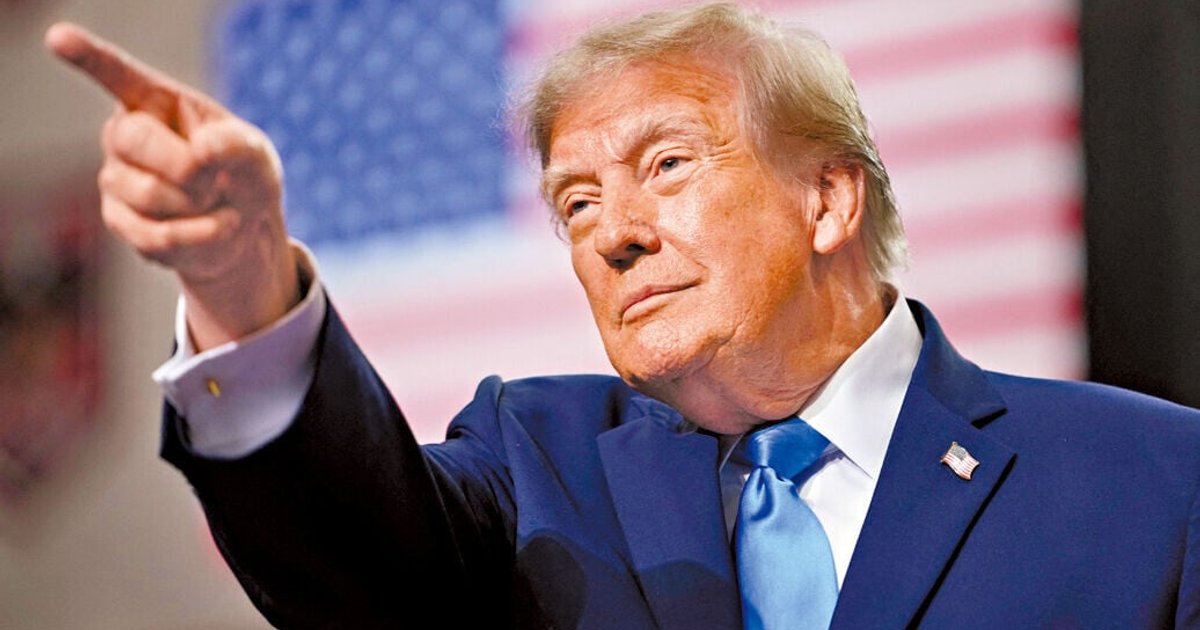
US President Donald Trump has initiated a sweeping terminology shift in federal government language, replacing "artificial intelligence" (AI) with "super intelligence" (SI). The move culminated on Sunday when SpaceX CEO Elon Musk confirmed he would rename his company's AI division from SpaceXAI to SpaceXSI . Trump signed an executive order on September 29 requiring all US government documents to use the term "super intelligence" and abbreviation "SI" instead of "artificial intelligence" and "AI" . The same day, multiple US technology executives signed the White House Superintelligence Agreement at the White House, committing to strengthened AI safety oversight .
Key Points
- Trump announced the establishment of the Superintelligence Task Force on Sunday, co-led by Director of National Intelligence Clayton, FTC Chairman Ferguson, Deputy Defense Secretary Michael, and OPM Director Cooper .
- The task force will coordinate federal government departments, promote US competitiveness in super intelligence, and report directly to Trump and White House Chief of Staff Wires .
- Masayoshi Son of SoftBank expressed concerns at a Kyoto forum, warning that super intelligence in the wrong hands would become "super dangerous" and called for international cooperation to control AI threats .
- OpenAI CEO Sam Altman emphasized that society must accept some negative impacts alongside AI benefits while pledging to prevent major breaches and fraud .
- SpaceX completed its acquisition of xAI earlier this year, rebranding it as SpaceXAI in July, and now plans another rename to SpaceXSI within months .
Why It Matters
This terminology shift marks a significant policy pivot that could influence how governments and corporations worldwide frame advanced AI development. For Hong Kong, this US policy direction may affect how local technology companies position themselves in the global AI race and potentially influence regulatory approaches in the Greater Bay Area .
This terminology shift marks a significant policy pivot that could influence how governments and corporations worldwide frame advanced AI development. For Hong Kong, this US policy direction may affect how local technology companies position themselves in the global AI race and potentially influence regulatory approaches in the Greater Bay Area .