Wine & Dine Festival Opens with Record Booths, Extended Late-Night Hours
HK01 · 4 SOURCES1 day ago2 MIN
Summary
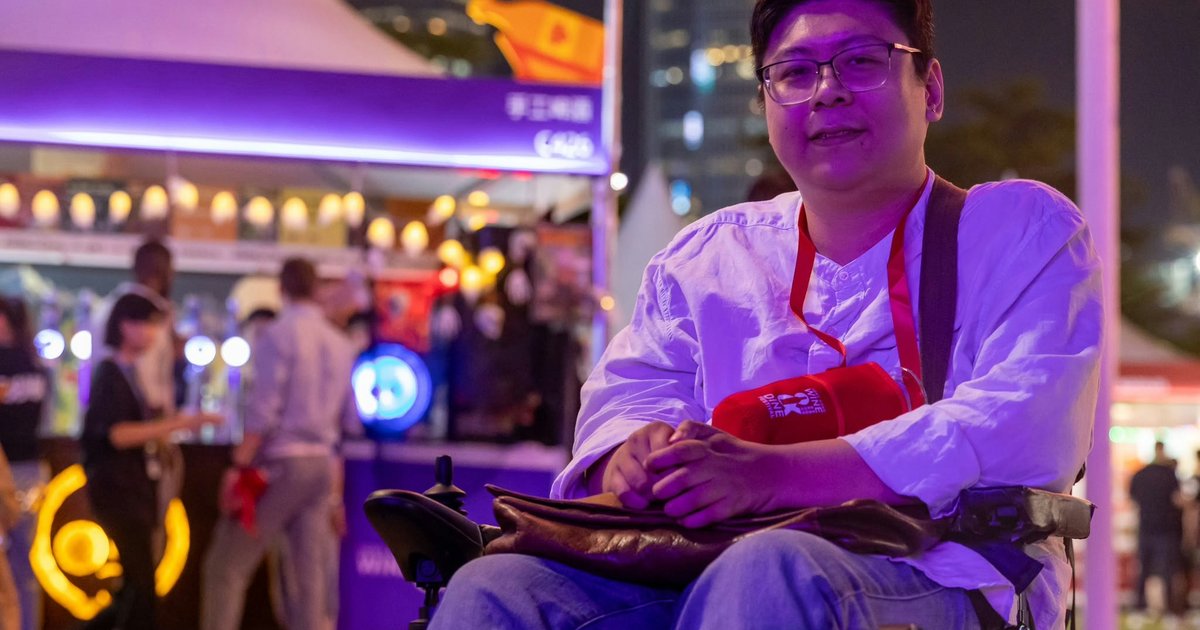
The Hong Kong Tourism Board-organized "Hong Kong Wine & Dine Festival" opened Thursday evening, October 29, at Central Harbourfront Event Space and Tamar Park, running through November 1 . The event features over 340 food and wine booths—a year-on-year increase of more than 10%—with participants from approximately 30 countries and regions . For the first time, Friday and Saturday hours have been extended to 1am, allowing revelers to enjoy the festivities deep into the night . Accessibility advocates highlight mixed progress, with wheelchair users finding some improvements such as ramps at select booths and illuminated accessible toilets, yet noting persistent barriers including platforms without ramp access and uneven cable covers .
Key Points
- The four-day festival at Central Harbourfront and Tamar Park showcases 340+ booths from roughly 30 countries, including debut Australia, Canada, and South Korea pavilions .
- Operating hours on Friday and Saturday run from noon to 1am; admission costs HK$40 with taste tickets priced at HK$25 each .
- A wheelchair user rated his participation at 70% this year, up from 30% last year, after discovering ramps at the American Express Centurion Lounge area .
- Hong Kong Rehabilitation Alliance recommends the government add accessibility requirements when issuing temporary entertainment venue licenses .
- New attractions include a "Coffee Garden" at Tamar Park with robot-made cocktails and limited-edition local creations like salted fish milk foam sparkling wine .
Why It Matters
The event arrives as Hong Kong pivots toward mega-event tourism, with the festival's expansion signaling broader ambitions to attract both local and international visitors . The accessibility improvements and remaining gaps underscore the ongoing challenge of designing inclusive public events in Hong Kong, a concern amplified as the city seeks to host more major functions to drive economic recovery.
The event arrives as Hong Kong pivots toward mega-event tourism, with the festival's expansion signaling broader ambitions to attract both local and international visitors . The accessibility improvements and remaining gaps underscore the ongoing challenge of designing inclusive public events in Hong Kong, a concern amplified as the city seeks to host more major functions to drive economic recovery.