Ding Xuexiang Meets Putin at Vladivostok Forum
On.cc · 3 SOURCESabout 2 hours ago6 MIN
Summary
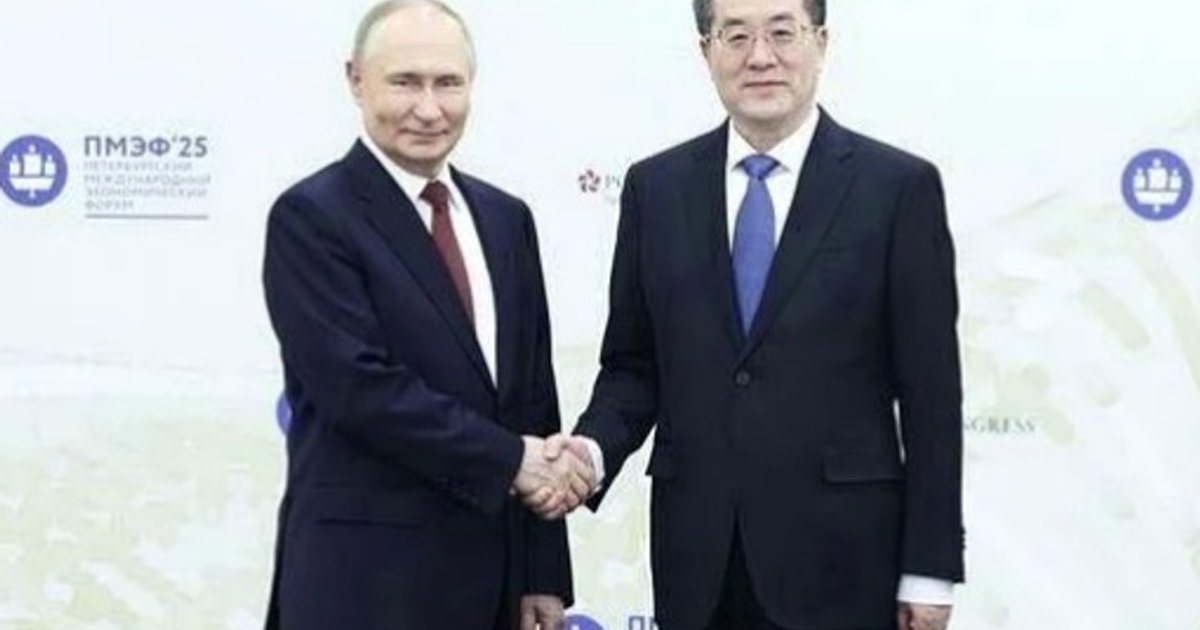
Chinese Vice Premier Ding Xuexiang (丁薛祥), a member of the Communist Party Politburo Standing Committee, was in Russia from September 2 to 4 to attend multiple forums, including the Eastern Economic Forum in Vladivostok, where he met President Vladimir Putin on September 2 local time. During the meeting, Ding said Beijing was ready to work with Moscow to implement the important consensus reached by the two countries’ leaders and to deepen the integration of interests through practical measures. He highlighted investment and energy as priority areas and called for stronger use of the “Northeast–Far East” cooperation mechanism to link China’s northeast revitalisation with Russia’s Far East development strategy. Putin said bilateral ties had reached an unprecedented level and that Russia was willing to strengthen strategic coordination with China and push relations to a higher level.
Key Points
- Ding visited Russia from Wednesday to Friday, September 2 to 4, to attend several forums, with the Eastern Economic Forum in Vladivostok among the main events.
- At the forum, Ding said China would implement the latest consensus between Xi Jinping and Putin and expand cooperation in investment and energy.
- Ding said the forum, themed “Far East – Development for the People,” is an important Asia-Pacific platform for building cooperation consensus
- He said China and Russia should better use the “Northeast–Far East” mechanism and policy support to connect regional development strategies and enlarge win-win space.
- Putin said 2026 marks the 25th anniversary of the Treaty of Good-Neighborliness and Friendly Cooperation, and thanked China for sending a high-level delegation.
Why It Matters
For Hong Kong readers, the meeting points to continued high-level political backing for China-Russia economic cooperation in energy and investment, areas that can influence regional trade and business sentiment. The emphasis on linking northeast China with Russia’s Far East also suggests sustained policy attention on cross-border development channels that may shape wider Asia-Pacific economic ties.