61-Year-Old Man Dies After Collapsing on Hong Kong MTR Train
SCMP · 1 SOURCESabout 3 hours ago2 MIN
Summary
A 61-year-old man died in hospital on Thursday morning after collapsing aboard a Tsuen Wan line train approaching Cheung Sha Wan station. Emergency services responded to the incident at 7:39am, finding the man unconscious. He was rushed to Caritas Medical Centre in Sham Shui Po, where he was pronounced dead at 8:47am. The medical emergency caused significant disruptions to MTR services on the Tsuen Wan line for approximately one hour.
Key Points
- Police received the emergency report at 7:39am from passengers who discovered the man collapsed on a Central-bound train as it arrived at Cheung Sha Wan station .
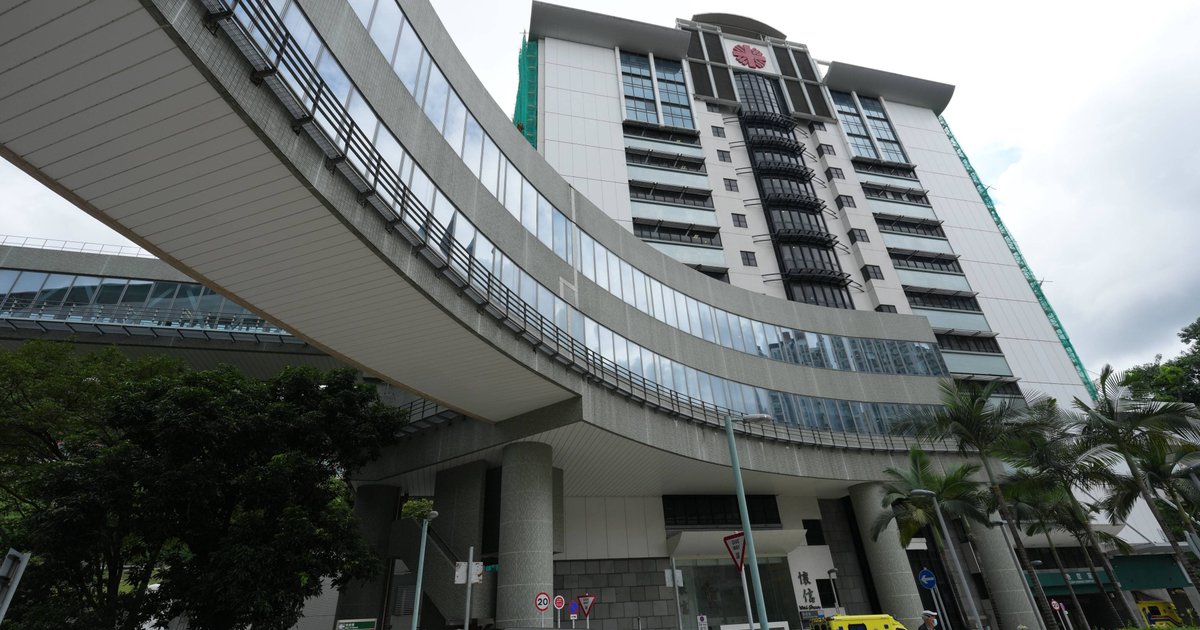
- Firefighters and paramedics arrived at the scene and found the man unconscious before transporting him to Caritas Medical Centre in Sham Shui Po .
- The man was pronounced dead at 8:47am at the hospital, according to police statements confirming the tragic outcome of the incident .
- MTR Corporation confirmed that train services on the Tsuen Wan line were disrupted between 7:35am and 8:40am as a direct result of the medical emergency .
- The rail operator stated that the disruption was caused by a passenger requiring urgent medical help at Cheung Sha Wan station, affecting thousands of commuters during morning rush hour .
Why It Matters
This incident highlights the critical role of emergency response systems on Hong Kong's densely used rail network, where thousands of commuters rely on MTR services daily. The disruption to the Tsuen Wan line—one of the busiest routes serving the western part of Kowloon—demonstrates how medical emergencies can have cascading effects on urban transportation infrastructure and commuter schedules .
This incident highlights the critical role of emergency response systems on Hong Kong's densely used rail network, where thousands of commuters rely on MTR services daily. The disruption to the Tsuen Wan line—one of the busiest routes serving the western part of Kowloon—demonstrates how medical emergencies can have cascading effects on urban transportation infrastructure and commuter schedules .