Hong Kong Reports Two New Legionnaires' Disease Cases, One Imported from Mainland
On.cc · 4 SOURCES1 day ago2 MIN
Summary
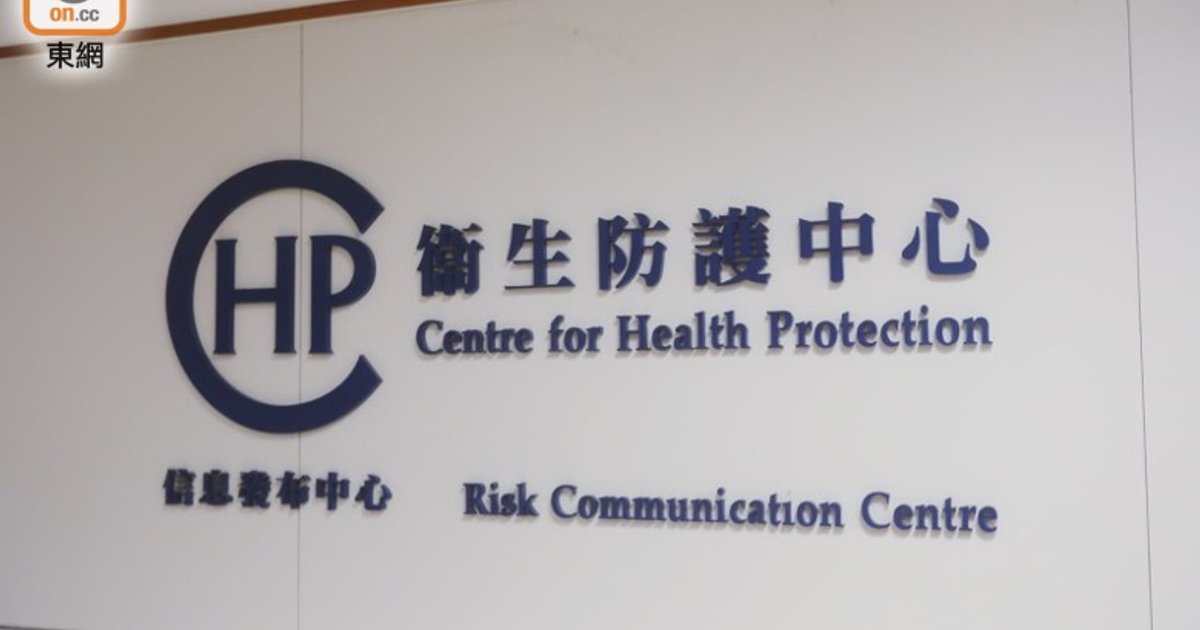
The Centre for Health Protection announced on Monday that Hong Kong recorded two new Legionnaires' disease cases during the week of September 27 to October 3. The patients include a 67-year-old male resident of Southern District and a 55-year-old female who had visited mainland China during the incubation period. Both patients have chronic illnesses, and preliminary investigations indicate the cases are sporadic with no epidemiological links to other confirmed cases. The city's cumulative total for this year stands at 153 cases, compared to 167 in 2025 and 135 in 2024.
Key Points
- A 67-year-old male patient residing in Southern District was diagnosed with Legionnaires' disease, marking a community-acquired infection
- A 55-year-old female patient contracted the disease during her stay in mainland China, classifying the case as imported
- Both patients have chronic underlying health conditions that may increase their susceptibility to the infection
- Hong Kong has recorded 153 Legionnaires' disease cases this year as of October 3, with 167 cases in 2025 and 135 in 2024
- The Centre for Health Protection is conducting epidemiological investigations to identify infection sources and high-risk exposure factors
Why It Matters
Legionnaires' disease, caused by Legionella bacteria, can lead to severe pneumonia, particularly in older adults and those with weakened immune systems. The presence of both locally acquired and imported cases highlights the importance of surveillance and public health vigilance. Understanding the epidemiology helps authorities implement preventive measures and protect vulnerable populations from potential outbreaks.
Legionnaires' disease, caused by Legionella bacteria, can lead to severe pneumonia, particularly in older adults and those with weakened immune systems. The presence of both locally acquired and imported cases highlights the importance of surveillance and public health vigilance. Understanding the epidemiology helps authorities implement preventive measures and protect vulnerable populations from potential outbreaks.