Hong Kong Catering Industry Faces Structural Crisis as Traditional Restaurants Shrink
HK01 · 1 SOURCESabout 2 hours ago2 MIN
Summary
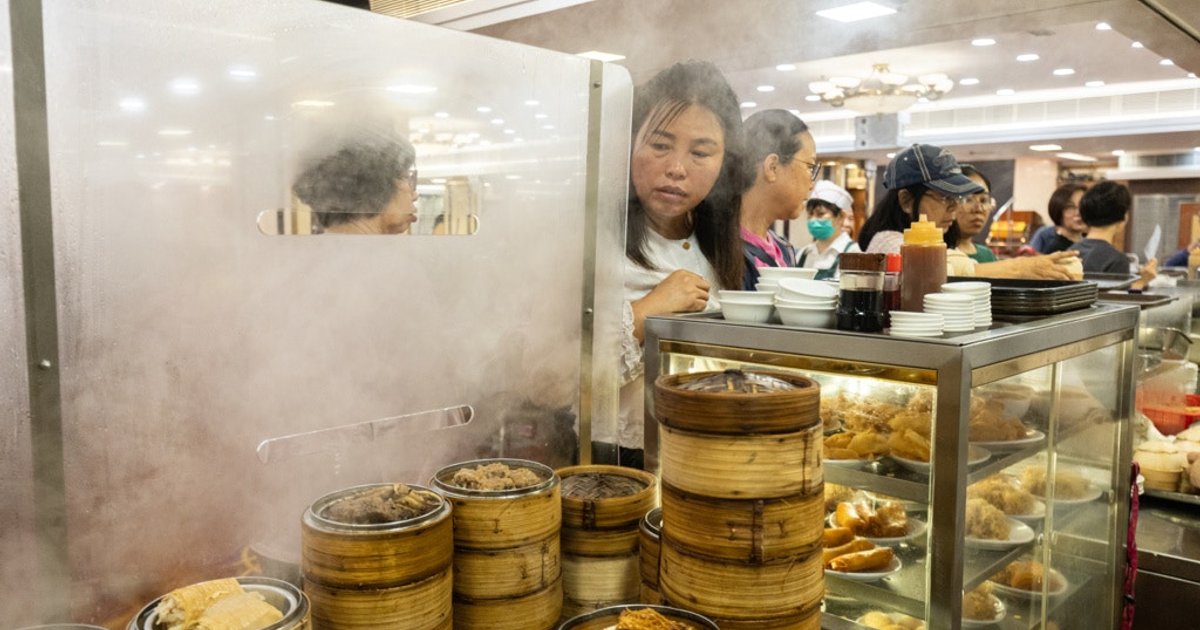
The Hong Kong catering industry is navigating an unprecedented structural crisis, with traditional large-scale Chinese restaurants bearing the brunt of market contraction. A recent promotional campaign at Tsim Sha Tsui's The ONE mall, where three Chinese restaurants offered dim sum at HK$7-9, drew long queues and boosted foot traffic, yet operators reported profit margin losses of approximately 10% . This paradox encapsulates the industry's deeper malaise: when price becomes the sole competitive tool, it signals that the perceived value of food products has already depreciated in consumers' minds. The market is not contracting uniformly but undergoing dramatic structural reorganization, with nimble small-format establishments replacing the shrinking "aircraft carriers" of the past.
Key Points
- Tsim Sha Tsui The ONE mall's promotional dim sum campaign offered items including bird's nest egg tarts and fermented bean curd pork trotters at HK$7-9, generating long queues but eroding profit margins
- 2026 Q1 restaurant revenue declined 7.2% compared to 2018 Q1, with Chinese restaurants suffering a 27.9% year-on-year drop
- Cantonese restaurants decreased from 1,790 in 2018 to 1,500 in 2025, while large restaurants with 50+ seats plummeted from 530 to approximately 160
- The sector's overall profit rate turned negative at -2.2% in 2024, with labor costs consuming 50.6% of total operating expenses
- Counter-trend growth of 7% in Beijing-Shanghai cuisine and steady expansion in Japanese restaurants demonstrate market opportunities exist
Why It Matters
The collapse of Hong Kong's traditional restaurant model extends beyond individual business failures to represent a fundamental misalignment between supply and evolving consumer expectations. As cross-border consumption to mainland China becomes normalized, local establishments must urgently address structural deficiencies in space design, menu innovation, and service processes—transforming from food suppliers into curators of dining experiences. This shift will determine whether Hong Kong's catering industry can retain its competitive edge in the Greater Bay Area's increasingly integrated dining landscape.
The collapse of Hong Kong's traditional restaurant model extends beyond individual business failures to represent a fundamental misalignment between supply and evolving consumer expectations. As cross-border consumption to mainland China becomes normalized, local establishments must urgently address structural deficiencies in space design, menu innovation, and service processes—transforming from food suppliers into curators of dining experiences. This shift will determine whether Hong Kong's catering industry can retain its competitive edge in the Greater Bay Area's increasingly integrated dining landscape.