Tsuen Wan Pilots Street Shop Food Waste Recycling Scheme in September
AM730 · 3 SOURCESabout 1 hour ago2 MIN
Summary
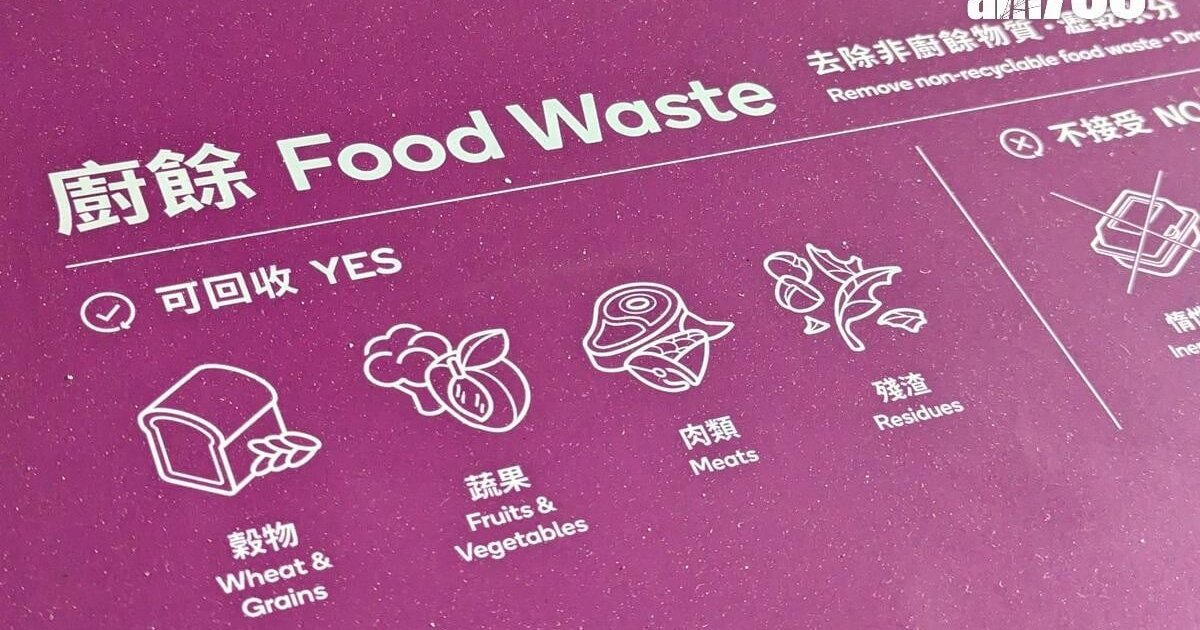
The Environmental Protection Department (EPD) is launching a six-month pilot programme in September to boost food waste recycling among street shops in Tsuen Wan, focusing on the concentrated commercial areas of Chuan Long Street and He Bei Street. The initiative comes after field surveys revealed that operators' insufficient understanding of recycling processes and the inconvenient locations of existing collection points have kept participation rates low. The programme will deploy six 120-litre recycling bins across three collection points with operating hours from 9am to 9pm, aiming to establish a sustainable and replicable model for citywide implementation.
Key Points
- Programme covers over 100 street shops selling vegetables, fruits, fish, and meat along Chuan Long Street and He Bei Street
- EPD conducted on-site inspections from November 2024 to January 2026 to assess food waste generation across multiple districts
- Six 120-litre recycling bins at three collection points will operate daily from 9am to 9pm with contractor-provided clean containers
- Hong Kong discards approximately 10,510 tonnes of municipal solid waste daily, with food waste comprising about 30 percent
- District councillor Wu Jun-yu warns that current bin capacity is insufficient and recommends adjusting collection times to match shop operations
Why It Matters
The pilot programme could establish a framework for expanding street-level food waste recycling across Hong Kong, directly supporting the territory's goal of reducing the 30 percent share of food waste in municipal solid waste going to landfills. Success would depend on addressing merchants' concerns about extra operational costs, odor management, and rodent control, which will determine whether the model can be replicated in other districts .
The pilot programme could establish a framework for expanding street-level food waste recycling across Hong Kong, directly supporting the territory's goal of reducing the 30 percent share of food waste in municipal solid waste going to landfills. Success would depend on addressing merchants' concerns about extra operational costs, odor management, and rodent control, which will determine whether the model can be replicated in other districts .