Japan H3 Rocket Successfully Launches Mars Moon Probe in World-First Sampling Mission
SingTao · 2 SOURCESabout 4 hours ago2 MIN
Summary
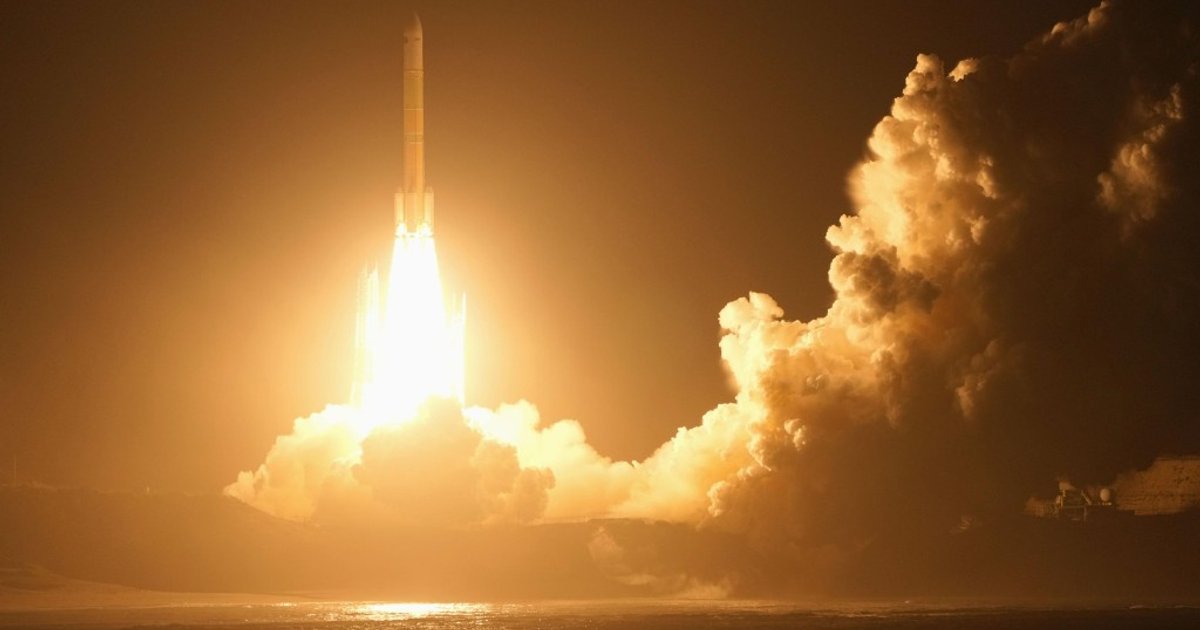
Japan's H3 rocket successfully launched the Martian Moons eXploration (MMX) probe on Tuesday, October 20, 2026, in the early morning hours. The mission aims to achieve the world's first sample return from a Mars moon, specifically Phobos, and bring those samples back to Earth by 2031. The successful launch marks a significant milestone in space exploration, with the probe now en route to the Martian system after separating from the rocket approximately 70 minutes after liftoff. The international collaboration involves JAXA alongside space agencies from the United States and Europe, along with multiple universities and technology companies, all working together to unlock mysteries about the origins of the solar system and potentially life itself.
Key Points
- The H3 rocket carrying the MMX probe lifted off at 4:41 AM Japan time on October 20, 2026 from the Tanegashima Space Center in Kagoshima Prefecture, with separation confirmed about 70 minutes later
- The MMX probe is scheduled to arrive near Mars around August 2027 and will enter orbit around Phobos, the larger of Mars' two moons located approximately 6,000 km from the Martian surface
- During the anticipated three-year mission on Phobos, the probe will collect at least 10 grams of samples using specialized equipment, with a planned Earth return in July 2031
- The spacecraft will deploy the IDEFIX rover, jointly developed by France and Germany, named after the faithful dog from the comic series "Asterix," to survey the Phobos surface for suitable landing sites
- JAXA scientist Maria Aida expressed relief and joy at the successful launch, noting she had dreamed of this day, while thousands watched the livestream despite the early morning timing
Why It Matters
This mission represents humanity's first attempt to retrieve samples from a Mars moon, which scientists believe could hold crucial clues about the early formation of the solar system and potentially the origins of life on Earth. The success of the MMX mission would establish Japan as a pioneering force in deep space exploration while laying crucial groundwork for future human missions to Mars by providing unprecedented data about the Martian environment .
This mission represents humanity's first attempt to retrieve samples from a Mars moon, which scientists believe could hold crucial clues about the early formation of the solar system and potentially the origins of life on Earth. The success of the MMX mission would establish Japan as a pioneering force in deep space exploration while laying crucial groundwork for future human missions to Mars by providing unprecedented data about the Martian environment .