US Markets Slide as Dow Dives 703 Points on Rate, Inflation Worries
On.cc · 2 SOURCESabout 2 hours ago2 MIN
Summary
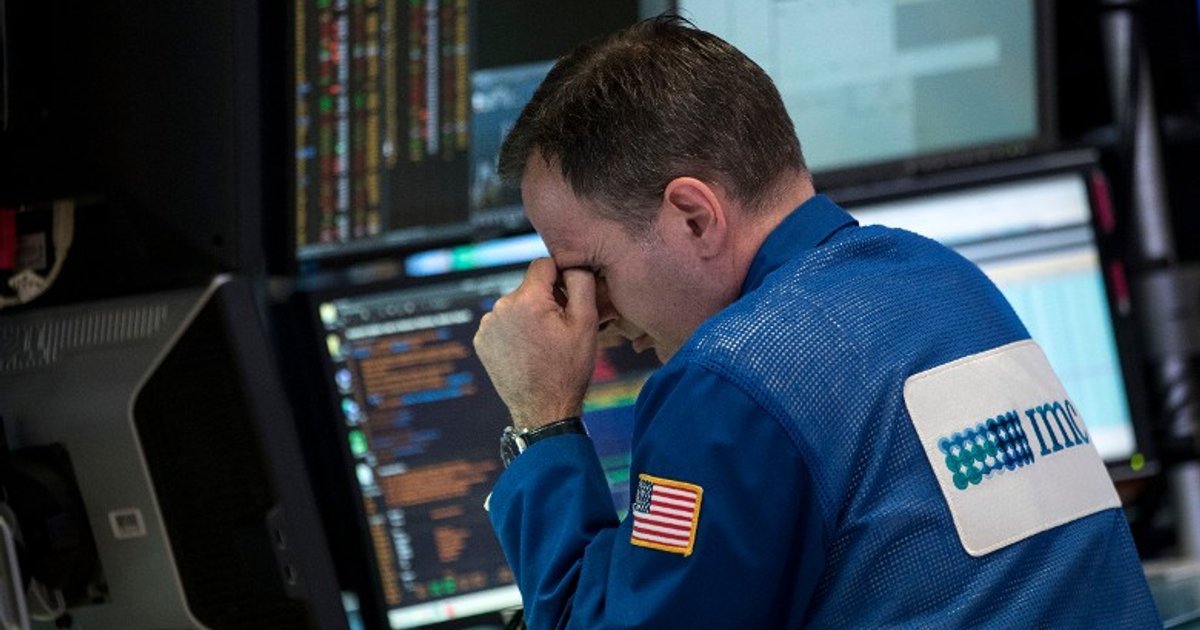
US stock indices suffered sharp declines on Wednesday as rising Treasury yields and persistent inflation concerns weighed heavily on investor sentiment. The Dow Jones Industrial Average led the selloff, closing at 52,759 points, tumbling 703 points or 1.32%. The technology-heavy Nasdaq Composite fell 263 points to 26,067, while the broad-based S&P 500 retreated 66 points to finish at 7,641 points. Market analysts attributed the weakness to the combination of climbing US bond yields and elevated crude oil prices, which heightened fears of sustained inflationary pressures and potentially prolonged tight monetary policy.
Key Points
- The Dow Jones Industrial Average closed at 52,759 points, down 703 points or 1.32% from the previous session
- The Nasdaq Composite finished at 26,067 points, declining 263 points or 1% amid tech sector weakness
- The S&P 500 ended at 7,641 points, shedding 66 points or 0.87%, reflecting broad market losses
- Rising US Treasury yields and climbing crude oil prices created headwinds for equities across sectors
- Hong Kong's ADR index rose 44 points to 25,742, suggesting relative resilience in Asian markets
- HSBC closed at HK$160.48, while Tencent finished at HK$448.28, reflecting mixed Hong Kong-listed stocks
Why It Matters
The sharp US selloff underscores persistent challenges facing global markets as central banks balance inflation control with economic growth. For Hong Kong investors, the moderate ADR gain signals that regional markets may weather the storm differently, though interconnected global equity flows mean continued volatility could affect local portfolios and fund flows in the coming sessions .
The sharp US selloff underscores persistent challenges facing global markets as central banks balance inflation control with economic growth. For Hong Kong investors, the moderate ADR gain signals that regional markets may weather the storm differently, though interconnected global equity flows mean continued volatility could affect local portfolios and fund flows in the coming sessions .