Lawmakers urge faster Northern Metropolis university hub
SingTao · 1 SOURCESabout 2 hours ago8 MIN
Summary
Hong Kong’s Legislative Council on Thursday passed a non-binding motion calling on the government to leverage national space development and the Northern Metropolis University Town to lift the city’s aerospace capabilities. During the debate, lawmakers urged the administration to give priority to aerospace, aviation technology and aero-space information in the university hub’s planning.
Key Points
- The motion, moved by lawmaker Ng Wun-kit (伍煥杰) at Wednesday’s resumed Legislative Council meeting on November 26, was passed by a majority in each of the two groups of members present.
- Ng said the Shenzhou-24 crewed spacecraft successfully launched on November 25, marking the first “handshake in space” between Chinese and foreign astronauts.
- He also said Hong Kong payload specialist Lai Ka-ying (黎家盈), who is due to return after a six-month stay on the space station in about a week, should be welcomed back with citywide outreach to schools and communities.
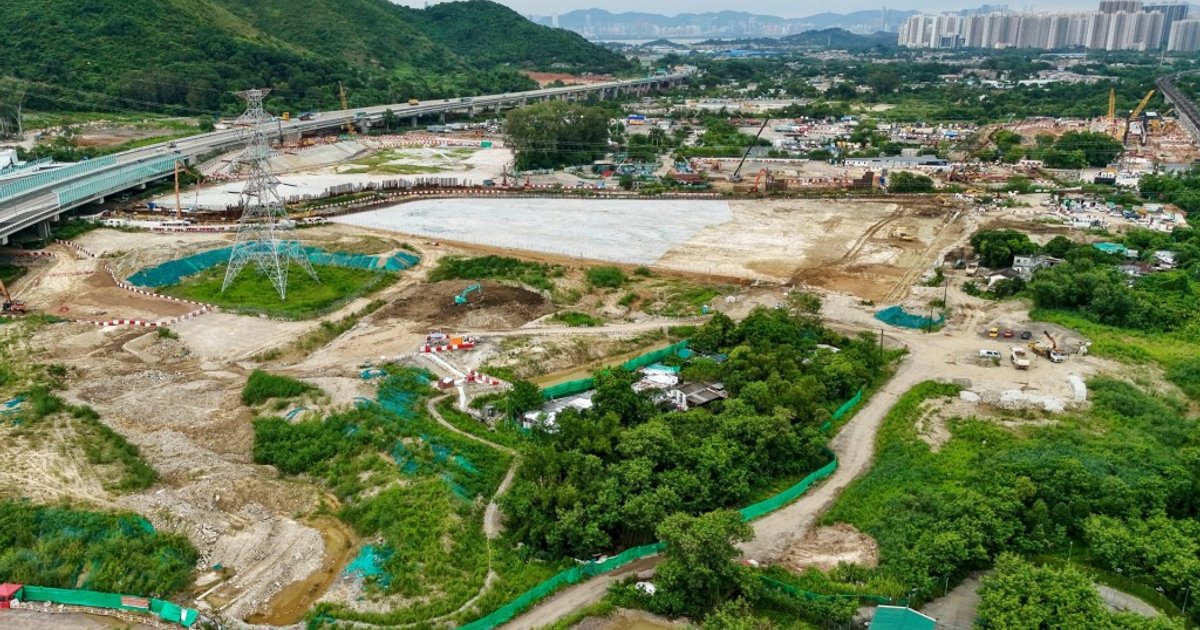
- Ng urged the government to use the accelerated Northern Metropolis University Town plan in this year’s Policy Address to prioritise aerospace, aviation technology and aero-space information, while aligning the three university towns through differentiated development.
- He said the San Tin University Town should link with the San Tin Technopole and the Hong Kong Park of the Hetao cooperation zone’s Building No. 1, while improving cross-border movement of researchers, data and space science samples between Hong Kong and Shenzhen.
- Election Committee lawmaker Fan Chun-wah (范駿華) said Hong Kong could develop industries at different altitude bands, from drones below 1,000 metres to civil aviation in the troposphere and stratosphere, and space technology beyond the 100-kilometre Kármán line.
- Fan said Hong Kong’s status as an international aviation hub and its access to Greater Bay Area advanced manufacturing give it advantages in aerospace materials research, trading, quality management, traceability and certification.
- Acting Secretary for Innovation, Technology and Industry Manda Cheung Man-lai (張曼莉) said Lai’s participation in the Shenzhou-23 mission as a payload specialist in May showed Hong Kong had moved from supporting the national space programme to directly participating in it.
- Cheung said the government’s Policy Address has already proposed measures to promote space technology infrastructure and support the space economy, in line with the national strategy of building China into a space power.
- She added that four Hong Kong universities currently offer undergraduate aerospace-related programmes, Hong Kong Polytechnic University offers postgraduate study, space technology elements have been added to primary and secondary curricula, and a HK$3 billion Frontier Technology Research Support Scheme was launched in September last year.
Why It Matters
The debate ties university planning in the Northern Metropolis directly to industrial policy, suggesting the government is being pressed to turn a broad education project into a targeted aerospace talent and research base. For Hong Kong, the practical test will be whether cross-border rules, campus planning and research funding can be aligned quickly enough to convert current public interest in space into long-term capacity.