Bureaucratic hurdles dampen inaugural voyage of Guangdong-Hong Kong-Macau yacht scheme
SCMP · 1 SOURCESabout 2 hours ago2 MIN
Summary
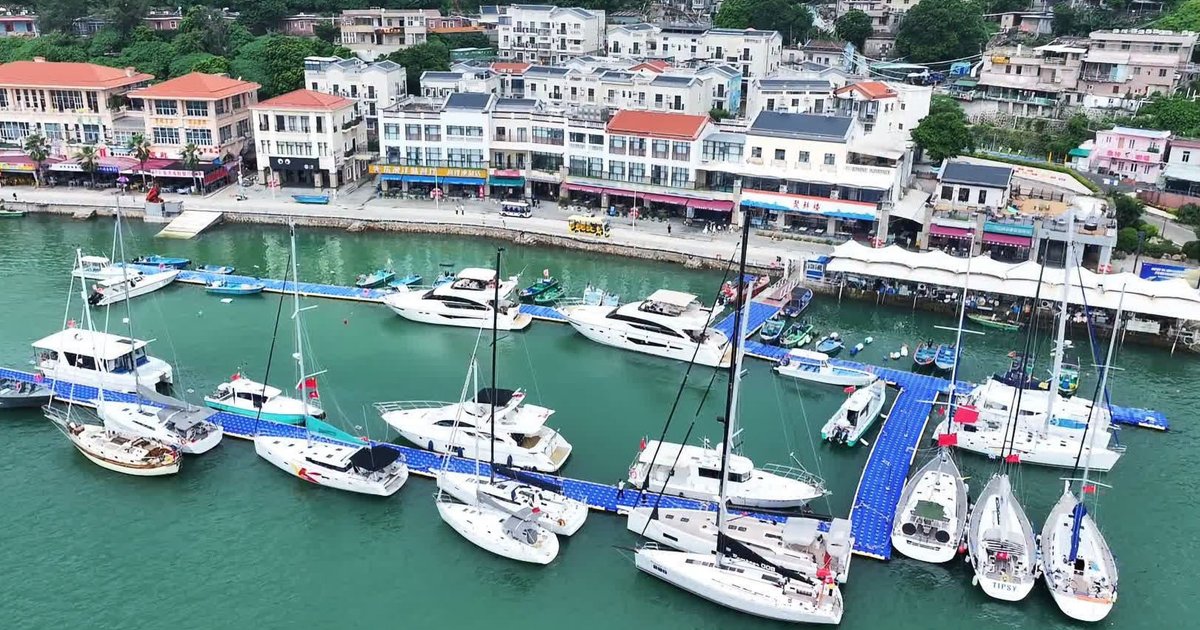
The inaugural cross-border voyage under Hong Kong's new yacht scheme has revealed significant challenges despite its commercial potential. A flotilla of 16 yachts carrying 139 participants from Hong Kong and Macau completed the journey to Dongao Island in Zhuhai last weekend, marking the largest single crossing under the Guangdong-Hong Kong-Macau individual yacht scheme launched in June . While participants enjoyed scenic views and family bonding, bureaucratic hurdles and navigational concerns have tempered optimism about the scheme's future .
Key Points
- The voyage departed from the Royal Hong Kong Yacht Club in Causeway Bay on August 29, with the flotilla covering 36 nautical miles (53.7km) to Dongao Island
- Journey times ranged from 6 and a half to 8 and a half hours depending on vessel speed, with wind conditions described as favourable at 15 knots
- Alex Yu Chi-leung, a 66-year-old retired harbour pilot, sailed his 50-foot wooden yacht Bowline and gave the experience a score of 60 out of 100
- Yu criticised the procedures as too numerous, complicated and ambiguous, warning he may not return unless authorities simplify the requirements
- The 139 participants included families such as financial executive Noel Chan and his 16-year-old son Nigel, who described the trip as quality bonding time
Why It Matters
The scheme represents a significant integration initiative between Hong Kong, Macau, and mainland China for leisure boating, but its success hinges on streamlining cross-border regulations . If unaddressed, the bureaucratic barriers could undermine tourism revenue and the scheme's broader goal of strengthening regional connectivity through maritime tourism .
The scheme represents a significant integration initiative between Hong Kong, Macau, and mainland China for leisure boating, but its success hinges on streamlining cross-border regulations . If unaddressed, the bureaucratic barriers could undermine tourism revenue and the scheme's broader goal of strengthening regional connectivity through maritime tourism .