Medical Council warns outsider seats may hinder operations
HK01 · 3 SOURCESabout 2 hours ago2 MIN
Summary
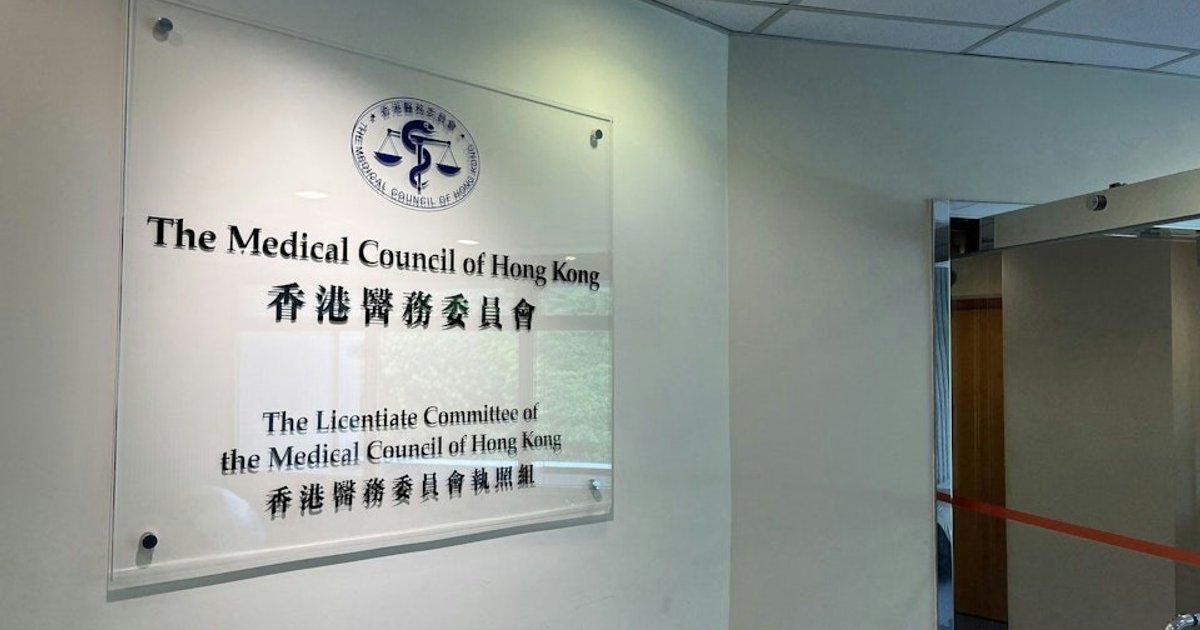
The Medical Council of Hong Kong has submitted a 97-page paper to the Legislative Council on the government’s proposed overhaul under the 2026 Doctors Registration (Amendment) Bill, raising objections to both its new composition and disciplinary framework. The council said the proposed addition of three more non-doctor members could bring in people unfamiliar with its role and functions, potentially affecting how it operates. It also questioned the relevance of adding a seat for the Primary Healthcare Commissioner and expressed concern over fewer elected doctor seats, especially a reduction in seats returned by the Hong Kong Medical Association. On discipline, the council opposed scrapping suspended sentences, saying they remain useful for misconduct cases such as theft convictions or improper advertising that do not involve patient safety.
Key Points
- The bill would keep doctor members at 24, add three non-doctor healthcare professionals, and raise the proportion of non-professional members from 25% to 31%
- In its submission, the council described the three added outsider members as like “strangers”, warning unfamiliar appointees could adversely affect council operations.
- The council questioned the connection between the Primary Healthcare Commissioner seat and its regulatory role, suggesting appointments instead come from doctor-related organisations.
- It objected to cutting elected doctor representation, including Hong Kong Medical Association seats from seven to four, saying the body helps preserve experience and continuity.
- The council said suspended sentences should stay for non-patient-safety cases, because reprimands may be too light while suspension or removal may be too harsh.
Why It Matters
The dispute goes to how Hong Kong balances professional self-regulation with broader outside participation in overseeing doctors. It also affects how misconduct cases may be handled in future, especially where wrongdoing is serious enough to merit punishment but not directly tied to patient treatment or safety.