Hong Kong policeman denies misconduct over blood sample
HK01 · 2 SOURCESabout 2 hours ago5 MIN
Summary
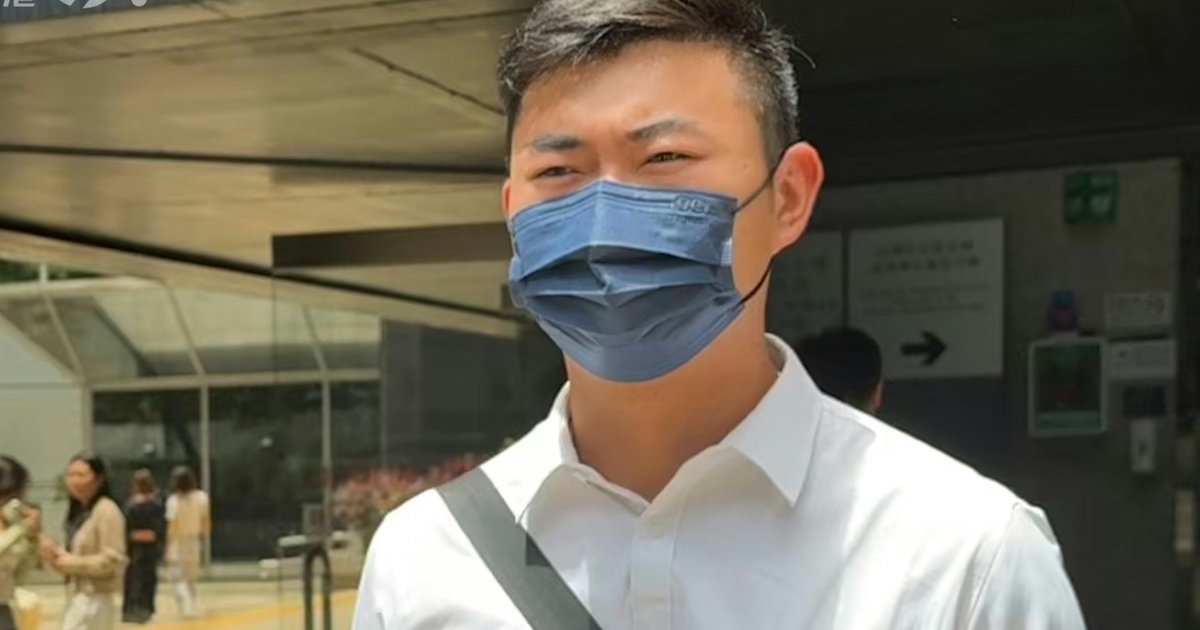
A 25-year-old police constable, Ching Long (程朗), has pleaded not guilty in the District Court to misconduct in public office and an alternative count of doing acts tending and intended to pervert the course of public justice over his handling of a female suspect X’s blood sample in a drink-driving investigation. Prosecutors said he took over X’s case on May 29, 2024, received her sealed blood sample for laboratory testing, but kept it in his home refrigerator instead of sending it promptly to the Government Laboratory as required. The prosecution also alleged he later brought X to his home in the early hours of June 3 and used his phone to take six solo photos of her, including four full-nude images. At the start of trial on August 24, the prosecution offered no evidence on separate charges of extortion and procuring unlawful sexual acts by threats or intimidation, leaving the two remaining counts to be tried.
Key Points
- Ching joined the police in July 2020 and, from March 2024, was posted as an investigator with Tai Po District Criminal Investigation Team 3.
- X was arrested on May 29 over common assault after a dispute in Sheung Shui, and police also suspected her of drink-driving.
- A traffic officer conducted a breath test at North District Hospital around 1pm; after an above-limit result, X agreed to provide blood.
- Prosecutors said Ching admitted on May 30 that the sample was in his home fridge, ignored orders to submit it, and later falsely claimed he had done so.
- He was arrested on July 17, when officers found X’s blood sample in his refrigerator; in interview, he admitted messaging X from a duty phone.
Why It Matters
The case goes beyond an individual officer’s alleged conduct because it concerns the handling of forensic evidence in a criminal investigation and whether internal instructions were followed. For Hong Kong readers, the trial will be watched as a test of how the courts deal with allegations that a police officer’s private dealings with a suspect may have interfered with a prosecution and damaged confidence in the justice system.