Nepal Plans to Rebuild China Border Landslide Warning System After Deadly Disaster
Crhk · 2 SOURCESabout 2 hours ago2 MIN
Summary
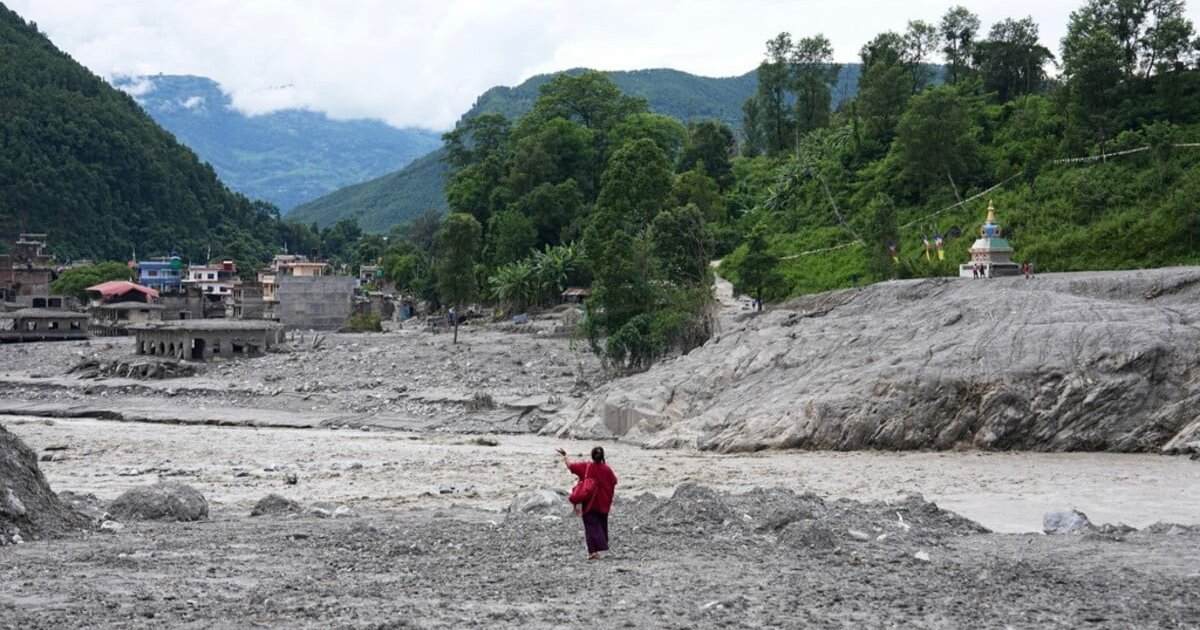
Nepal is moving forward with plans to rebuild a landslide early warning system along its border with China after a massive debris flow disaster killed more than 1,200 people. The new system will utilize advanced satellite technology to provide warnings even when conventional networks are down. Meanwhile, international rescue teams continue operations at hydropower construction sites where workers remain trapped.
Key Points
- The China-Nepal border disaster has claimed 1,204 lives in Nepal with over 4,200 people still missing, while more than 1,200 deaths have been confirmed overall
- Rescue teams from China, India and the United States are assisting Nepal in searching four major hydropower projects where workers are trapped inside tunnels
- Two hydropower projects contain trapped workers in sections where air is present, significantly improving survival chances, particularly at the Trisuli 3A project where a dry chamber with oxygen flow exists
- Nepal's government plans to install a VSAT (Very Small Aperture Terminal) satellite system with seismic sensors, cameras and satellite links in Rasuwa County border settlements, with more locations planned
- The previous monitoring system, which could send alerts every few minutes, was completely destroyed by the mudslide, and officials warn that changing terrain creates urgent need for new installations
Why It Matters
The disaster highlights the critical vulnerability of remote Himalayan border regions to climate-induced geological events, and Nepal's decision to invest in satellite-based early warning technology represents a significant advancement in disaster preparedness for isolated communities. For Hong Kong, which also faces landslide risks during extreme weather events, this case demonstrates how integrating satellite communication into monitoring systems can save lives when traditional infrastructure fails. The ongoing rescue at hydropower projects underscores the global importance of workplace safety standards in infrastructure development across challenging terrain
The disaster highlights the critical vulnerability of remote Himalayan border regions to climate-induced geological events, and Nepal's decision to invest in satellite-based early warning technology represents a significant advancement in disaster preparedness for isolated communities. For Hong Kong, which also faces landslide risks during extreme weather events, this case demonstrates how integrating satellite communication into monitoring systems can save lives when traditional infrastructure fails. The ongoing rescue at hydropower projects underscores the global importance of workplace safety standards in infrastructure development across challenging terrain