MRDI Third-Generation Semiconductor Pilot Line to Launch by December, CEO Says Hong Kong Can Replicate Silicon Valley
Bastillepost · 1 SOURCES1 day ago2 MIN
Summary
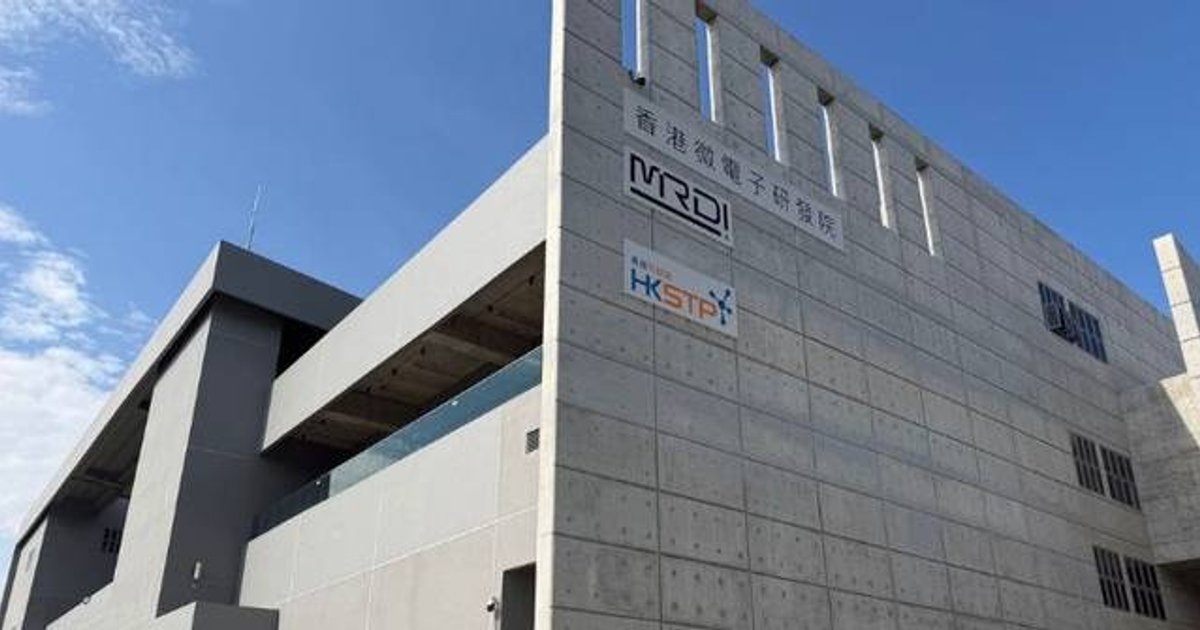
The Hong Kong Microelectronics Research Institute (MRDI) is on track to launch its third-generation semiconductor chip pilot production line by December 2026, according to CEO Gao Teng. Established in 2024 with HK$2.84 billion in government funding, MRDI aims to bridge the gap between research and industry through its pilot facilities. Gao emphasized that Hong Kong possesses the foundational conditions to replicate Silicon Valley's success by leveraging its world-class universities, financial capital, and proximity to Shenzhen's hard tech industrial cluster.
Key Points
- MRDI is currently setting up two third-generation semiconductor chip development and trial production pilot lines, with equipment installation and system debugging underway .
- The organization has signed industrial cooperation agreements with overseas and mainland enterprises totaling more than HK$30 million, with project cycles typically spanning two years .
- MRDI faces significant talent challenges, with even forklift drivers for heavy equipment requiring cross-regional coordination; the organization is recruiting globally, especially senior engineers .
- Hong Kong has five globally top-100 universities and abundant financial capital, positioning it to attract innovation from both mainland China and overseas .
- The institute is collaborating with universities including the University of Hong Kong and local training institutions to develop localized technical personnel .
Why It Matters
The successful launch of MRDI's pilot line could mark a turning point for Hong Kong's semiconductor industry, transforming the city from a financial hub into a technology innovator. If Hong Kong can effectively connect its research capabilities with Shenzhen's manufacturing ecosystem, it may establish a new industrial cluster that reshapes the region's tech landscape .
The successful launch of MRDI's pilot line could mark a turning point for Hong Kong's semiconductor industry, transforming the city from a financial hub into a technology innovator. If Hong Kong can effectively connect its research capabilities with Shenzhen's manufacturing ecosystem, it may establish a new industrial cluster that reshapes the region's tech landscape .