Yellow Work Heat Warning Issued as System Overhaul Planned
HK01 · 2 SOURCESabout 3 hours ago2 MIN
Summary
The Labor Department issued a Yellow Work Heat Stress Warning at 9:10am on August 17, cautioning that heat stress levels remain elevated in certain work environments, particularly outdoor settings and indoor spaces without climate control . Labor and Welfare Bureau Secretary Chris Sun stated that the Work Heat Stress Warning system has been operational for approximately three years, and authorities are actively optimizing its mechanisms . The government has set a target to announce specific optimization plans to the public by the end of August, with experts examining weather parameters and threshold adjustments . Former Observatory Director Anthony Shi-min Kin and former Director Lee Bun-wing published an article on August 13 arguing that the Labor Department erroneously adopted the Hong Kong Heat Index, calling for a switch to the internationally accepted Wet Bulb Globe Temperature methodology .
Key Points
- The Yellow Work Heat Stress Warning was issued at 9:10am on August 17, indicating high thermal stress in some work environments
- Outdoor workers and those in non-air-conditioned indoor environments face elevated heat-related health risks
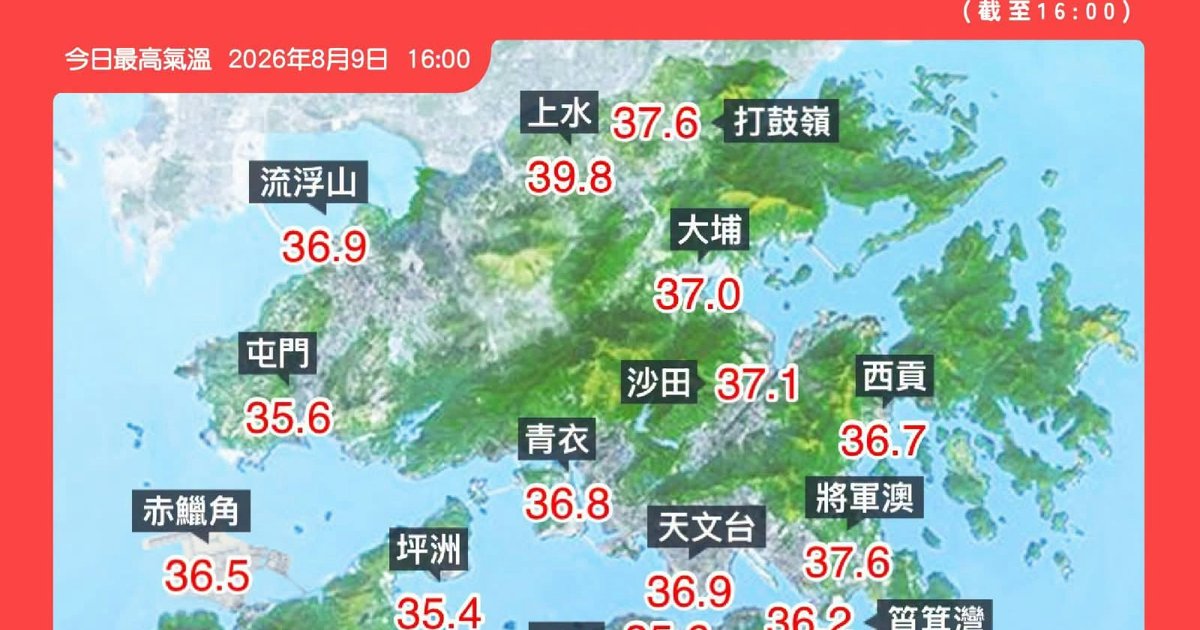
- Hong Kong recorded its highest ever temperature of 36.9 degrees Celsius on August 9 at the Tsim Sha Tsui Observatory, with Sheung Shui reaching 39.8 degrees
- August 12 also broke records for the hottest night since measurements began
- Former Observatory directors have criticized the current index for allocating only 5% weight to solar radiation, versus 20% under international standards
Why It Matters
The current debate over measurement standards has direct implications for worker protection. The existing Hong Kong Heat Index significantly underweights solar radiation's impact on heat stress, potentially leaving outdoor laborers inadequately protected during extreme weather conditions. The planned system optimization could establish more accurate thresholds that better reflect actual workplace hazards, ensuring timely interventions and preventive measures for vulnerable workers .