Danube Hits Record Low, Forces Romania to Shut Second Nuclear Reactor
Bastillepost · 2 SOURCESabout 2 hours ago2 MIN
Summary
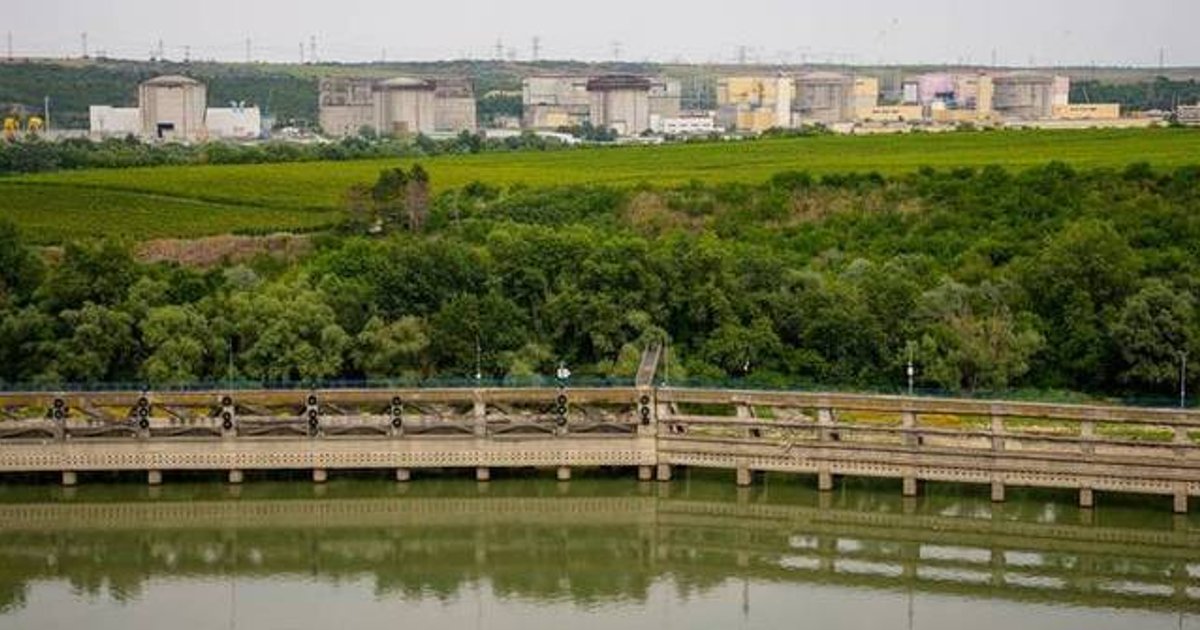
Romania has shut down the second reactor at its Cernavodă Nuclear Power Plant due to critically low Danube water levels caused by an unprecedented heat wave and drought across Europe. The plant, which normally provides about 20% of the country's electricity, uses Danube water to cool both reactors. Authorities deployed extraordinary measures including sinking rock-laden barges and using explosives to blast the riverbed in an attempt to redirect water toward the plant, but these efforts proved insufficient. Neighboring Hungary faces similar challenges with its own nuclear facility.
Key Points
- Romania initiated controlled shutdown of the Cernavodă reactor 2 on August 13, after reactor 1 was taken offline in late July
- The Cernavodă plant generates approximately 20% of Romania's electricity when both reactors are operational
- Nuclearelectrica, the state-owned operator, cited the Danube's "significant decline" in water levels as the reason for the shutdown
- Romania's Energy Ministry announced that electricity supply would be "fully compensated by alternative energy and imports" following the shutdown
- Acting Prime Minister Bolojan declared a nationwide energy alert on July 31, with authorities deploying four rock-laden barges near the Bala Canal and using military explosives to blast the riverbed in a desperate attempt to raise water levels
Why It Matters
This shutdown underscores the vulnerability of nuclear infrastructure to climate change-induced extreme weather events, as cooling water availability becomes increasingly unpredictable across Europe. Hungary is now implementing similar emergency measures to prevent its Paks Nuclear Power Plant from facing what would be its first shutdown in 44 years, highlighting a broader regional energy crisis driven by the same drought conditions .
This shutdown underscores the vulnerability of nuclear infrastructure to climate change-induced extreme weather events, as cooling water availability becomes increasingly unpredictable across Europe. Hungary is now implementing similar emergency measures to prevent its Paks Nuclear Power Plant from facing what would be its first shutdown in 44 years, highlighting a broader regional energy crisis driven by the same drought conditions .