Stephen Chan Breaks Down Recalling Mother's Death, Blames Himself for Fatal Decision
SingTao · 1 SOURCESabout 7 hours ago2 MIN
Summary
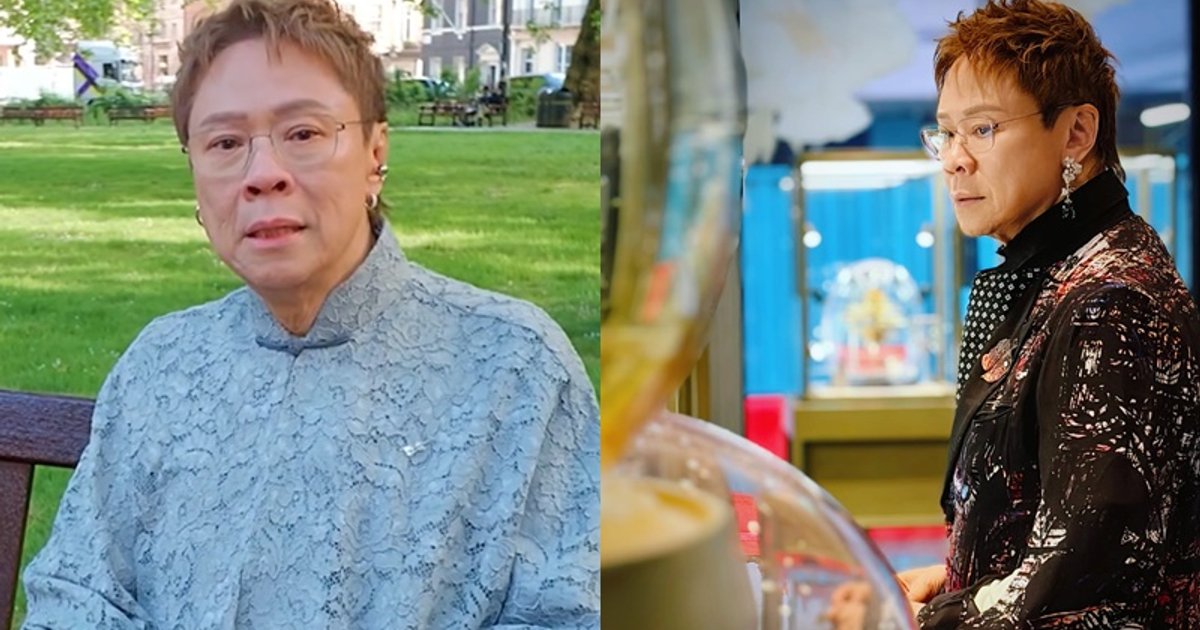
Veteran Hong Kong media personality Stephen Chan Chi-wan, 67, broke down on his HOY TV program while recalling his mother's death in 1990, revealing decades of guilt over missing her final phone call . Chan believes his decision to work in Britain indirectly caused his mother's death, as she refused hospital treatment without his presence . The emotional confession has resonated deeply with viewers, showcasing a rarely seen vulnerable side of the usually composed broadcaster .
Key Points
- Chan, 67, filmed the emotional segment for HOY TV's "Yun You Si Hai Jie Hao You" while in Britain, the same country where he was working when his mother died in 1990 .
- His mother had previously stayed in Britain for six to nine months solely to care for him, demonstrating their extraordinarily close bond .
- Chan missed his weekly phone call to his mother in the week she died, a routine he had maintained faithfully until that final occasion .
- He received the death notification from his father via overseas call and collapsed immediately, as he was scheduled to return to Hong Kong just one week later .
- Chan believes his mother refused hospital treatment because he was not in Hong Kong to accompany her, saying "If I hadn't gone to Britain... she wouldn't have been stubborn about not entering hospital" .
- He has called himself a "mama's boy" with pride, recalling how his mother even accompanied him to inspect his university entrance exam venue .
Why It Matters
Chan's raw disclosure challenges the stoic public persona expected of veteran broadcasters in Hong Kong's competitive media landscape, potentially encouraging more open conversations about grief and mental health among public figures . The segment also highlights how unresolved family trauma can persist across decades, even for seemingly successful individuals, offering a relatable narrative for many in Hong Kong's aging society who have experienced similar losses .
Chan's raw disclosure challenges the stoic public persona expected of veteran broadcasters in Hong Kong's competitive media landscape, potentially encouraging more open conversations about grief and mental health among public figures . The segment also highlights how unresolved family trauma can persist across decades, even for seemingly successful individuals, offering a relatable narrative for many in Hong Kong's aging society who have experienced similar losses .