Hong Kong Urged to Shift from Consuming to Investing in Nature via Eco-Tourism
HK01 · 1 SOURCESabout 4 hours ago2 MIN
Summary
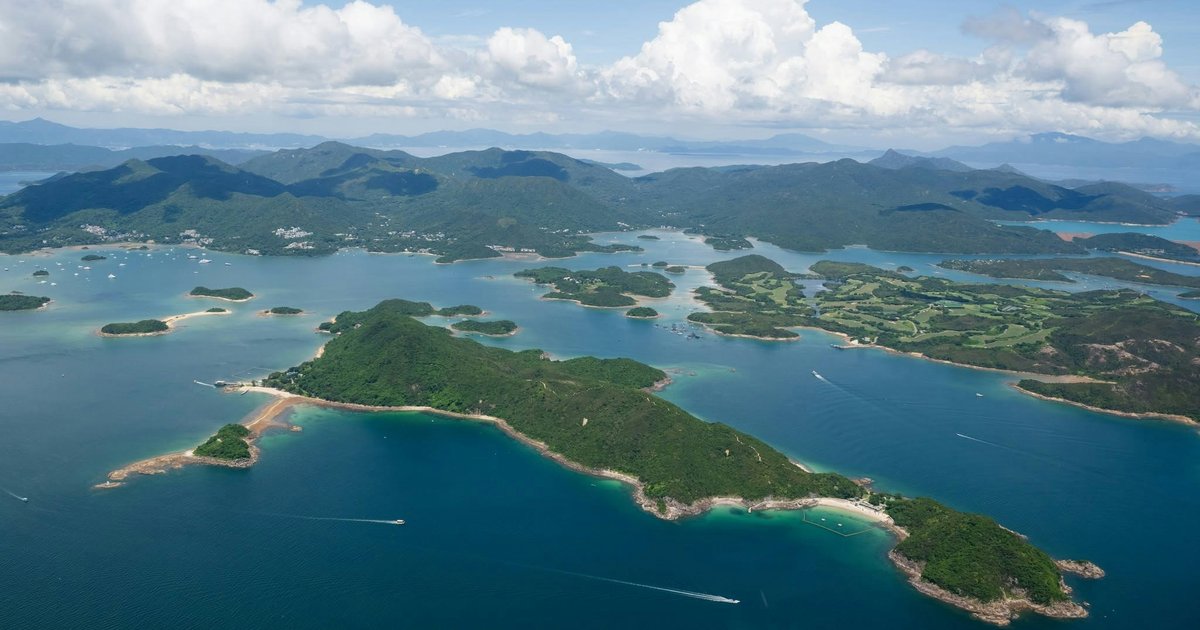
A new policy report from Civic Exchange calls on Hong Kong to fundamentally reframe its relationship with natural assets, shifting from an extractive consume nature approach to a regenerative invest in nature model. The report titled Beyond Sightseeing: Developing Quality Eco-Tourism to Advance Nature-Based Solutions documents how overnight visitors are increasingly prioritizing experiences over shopping, creating both a challenge and an opportunity for the citys tourism industry. The think tank proposes using Kiu Chao Chau island as a pilot location to test conservation-priority eco-tourism frameworks before expanding to other sites .
Key Points
- Hong Kong hosts over 3300 vascular plant species, more than 580 bird species, and 84 stone coral species despite its small land area
- Country parks recorded approximately 11 million visitor entries in 2024, demonstrating strong public engagement with natural spaces
- The report proposes the CLEAN framework with five elements: Culture, Local Communities, Economic Value, Action through Education, and Nature-Positive Outcomes to evaluate quality eco-tourism
- Civic Exchange recommends dividing government responsibilities: the Culture, Sports and Tourism Bureau should act as market facilitator while the Environment and Ecology Bureau retains authority over environmental monitoring
- Kiu Chao Chau in Sai Kung is identified as an ideal pilot site due to its convenient access, scenic landscapes, and valuable coral communities
Why It Matters
As climate risks intensify and traditional retail-driven tourism loses competitiveness, Hong Kong must decide whether to treat natural assets as expendable resources or critical infrastructure requiring active investment. Successful implementation of conservation-priority eco-tourism could establish a replicable model that delivers sustainable revenue for rural communities while preserving the ecological systems that make Hong Kong biologically exceptional .
As climate risks intensify and traditional retail-driven tourism loses competitiveness, Hong Kong must decide whether to treat natural assets as expendable resources or critical infrastructure requiring active investment. Successful implementation of conservation-priority eco-tourism could establish a replicable model that delivers sustainable revenue for rural communities while preserving the ecological systems that make Hong Kong biologically exceptional .