Trump Expects Iran Talks This Week Despite Rejecting Hormuz Truce Offer
SCMP · 2 SOURCES1 day ago2 MIN
Summary
US President Donald Trump said Sunday he expects negotiations with Iran to resume this week, even after dismissing Tehran's proposal for a seven-day ceasefire and reopening of the Strait of Hormuz. Iran is standing by its conditions for any deal, including lifting sanctions on oil sales and ending the US naval blockade. Indirect talks between the two sides could take place as early as Monday, according to sources cited by Axios .
Key Points
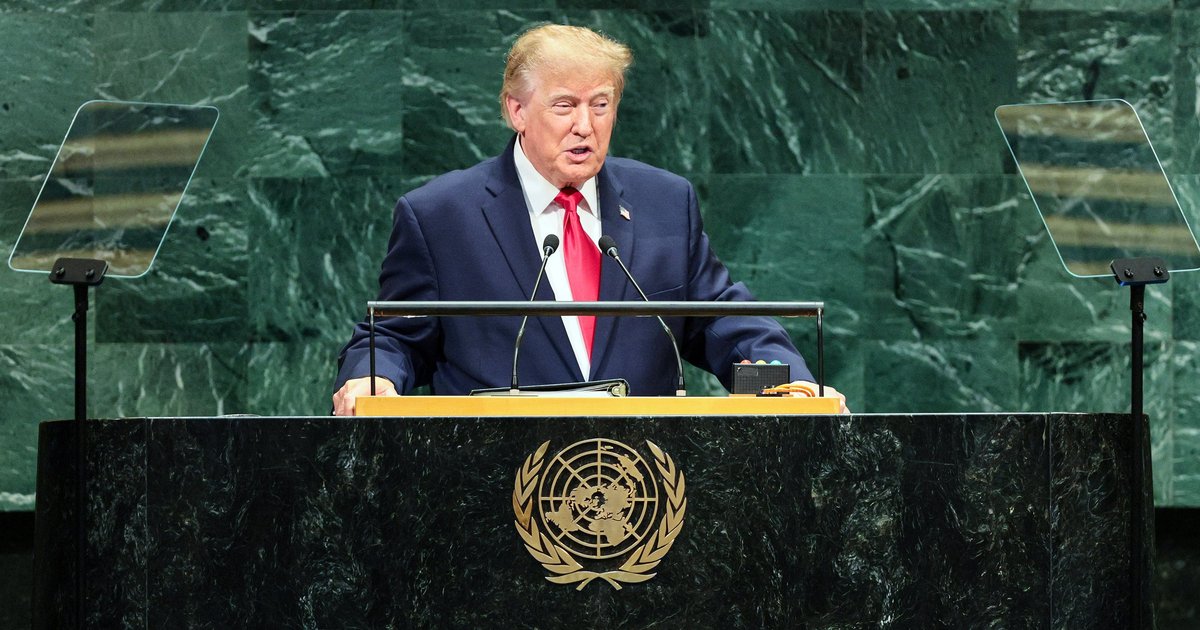
- Trump's remarks came in an interview with Axios published Sunday, a day after he formally rejected Iran's latest truce proposal put forward at the UN General Assembly in New York .
- Iran proposed a seven-day ceasefire that would include Lebanon, followed by reopening the Strait of Hormuz and resuming nuclear talks, contingent on lifting the US naval blockade, removing oil sanctions, and restoring a regional ceasefire .
- Trump told Axios: "They want to make a deal but it is not the deal that I want to make. It is what we would have maybe agreed to a year ago. They overplayed their hand" .
- US envoys Steve Witkoff and Jared Kushner held indirect negotiations with Iranian Foreign Minister Seyed Abbas Araghchi at the UN last Tuesday, the latest in a series of diplomatic contacts .
- The conflict began nearly seven months ago when the US and Israel launched strikes against Iran, with fighting also raging in Yemen as the Hormuz standoff continues .
Why It Matters
The Strait of Hormuz is one of the world's most critical energy chokepoints, handling roughly a fifth of global oil shipments. Any prolonged closure or military escalation would send shockwaves through international energy markets and could inflate fuel prices worldwide . Trump's openness to continued talks despite rejecting the current proposal suggests Washington remains intent on a diplomatic resolution rather than risking a wider Middle East war that could destabilize global markets .
The Strait of Hormuz is one of the world's most critical energy chokepoints, handling roughly a fifth of global oil shipments. Any prolonged closure or military escalation would send shockwaves through international energy markets and could inflate fuel prices worldwide . Trump's openness to continued talks despite rejecting the current proposal suggests Washington remains intent on a diplomatic resolution rather than risking a wider Middle East war that could destabilize global markets .