Stunt Influencer Battles 'Terminator' Robot in Historic MMA Match
Bastillepost · 2 SOURCESabout 6 hours ago2 MIN
Summary
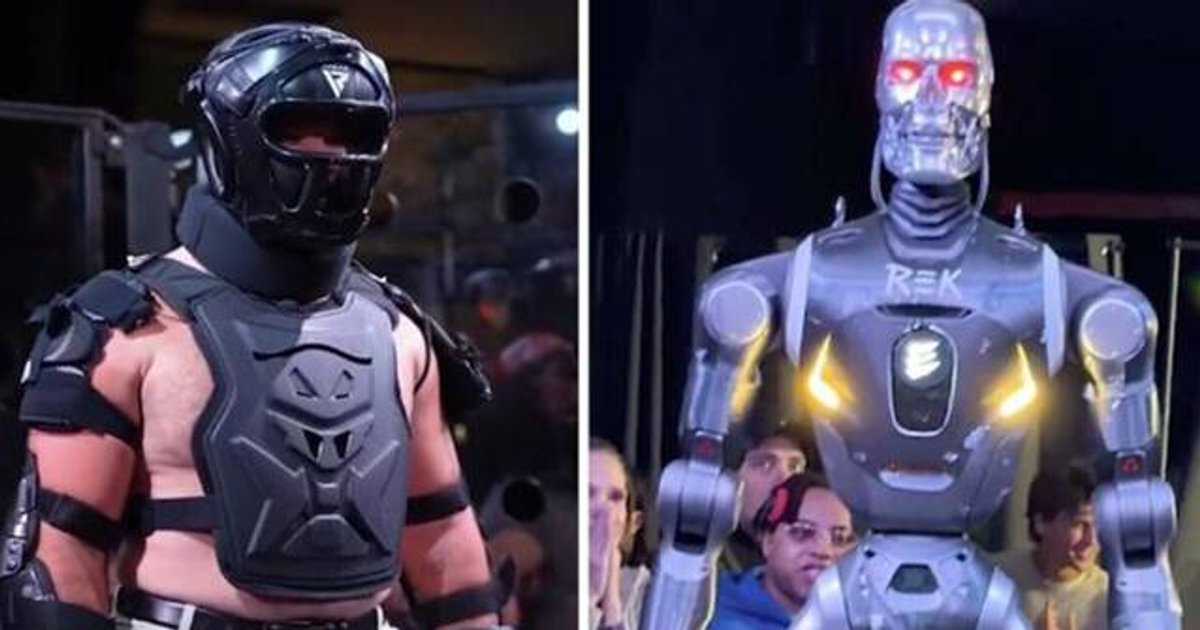
San Francisco hosted the world's first-ever human versus humanoid robot MMA fight on September 18, 2026, featuring professional stunt performer Frankie Lapenna against a 183cm Terminator-styled robot named T800. Built on a Shenzhen EngineAI platform and remotely operated, the machine delivered devastating kicks that fractured Lapenna's fist, yet he ultimately prevailed in the cage. The event organized by robot combat company REK has sparked massive online interest, with numerous men requesting to challenge robots themselves. REK CEO Cix Liv expressed amazement at the robot's power, stating he nearly lost control when first witnessing it, and has since announced plans to host additional human-robot bouts.
Key Points
- The September 18 event was organized by robot combat company REK, with Frankie Lapenna fighting a remotely operated T800 robot in San Francisco
- The T800 robot stands 183cm tall, built on a Shenzhen EngineAI platform with its head modified into a Terminator aesthetic
- Frankie Lapenna won the match despite suffering a fractured fist and multiple heavy kicks to his chest and abdomen
- He fought three different robots that same evening, describing robot strikes as feeling like being hit by a baseball bat
- REK CEO Cix Liv initially planned no human-robot fights until Frankie approached them two months prior, and now plans future events
Why It Matters
The historic match marks a significant milestone in human-robot physical interaction, demonstrating that current humanoid robotics have advanced enough to pose a genuine combat challenge to trained athletes. The overwhelming public response—numerous men volunteering to face robots—suggests strong commercial potential for robot combat entertainment, raising questions about safety standards and the evolving boundaries between human and machine competition .
The historic match marks a significant milestone in human-robot physical interaction, demonstrating that current humanoid robotics have advanced enough to pose a genuine combat challenge to trained athletes. The overwhelming public response—numerous men volunteering to face robots—suggests strong commercial potential for robot combat entertainment, raising questions about safety standards and the evolving boundaries between human and machine competition .