Filipino Adult Influencer Funds Hometown School, Sparking Ethics Debate
Bastillepost · 1 SOURCESabout 3 hours ago2 MIN
Summary
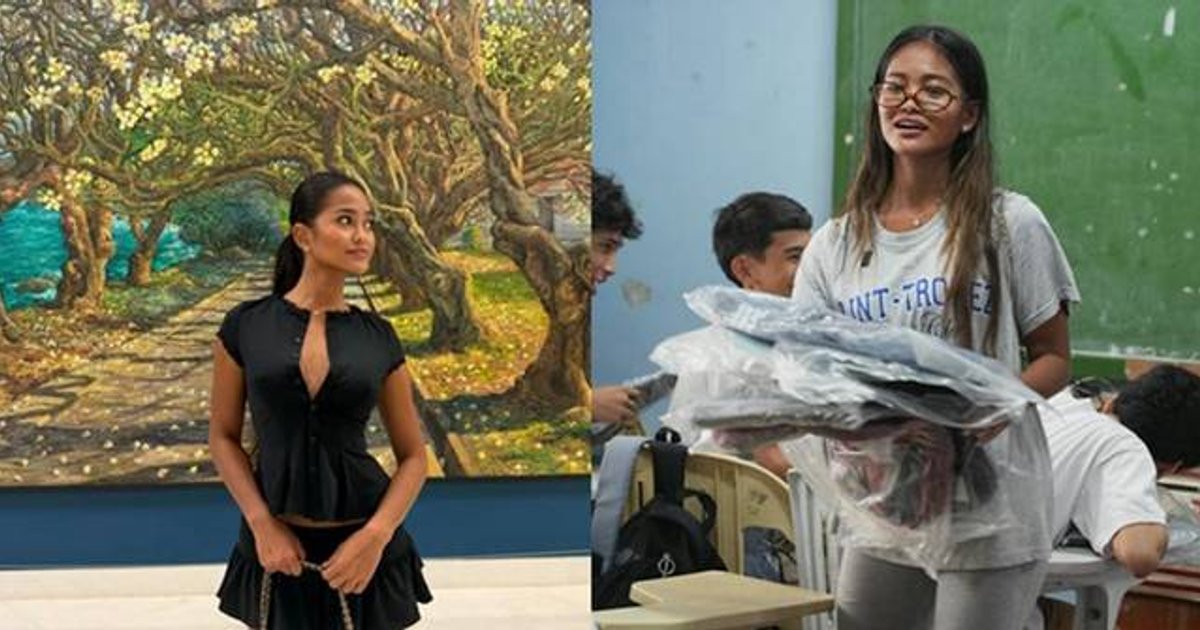
Maeurn Smiles, a 26-year-old Filipino adult content influencer, has sparked widespread debate after announcing her funding of a new school in her hometown of Cebu using earnings from her controversial career. Having dropped out of school at 17 due to financial hardship, Smiles hopes the project will provide educational opportunities to children facing similar circumstances, while honoring her late father. The initiative has drawn both praise for its tangible social impact and criticism regarding the source of its funding.
Key Points
- Maeurn Smiles, who gained fame as an adult content creator, spent 1,750,000 Philippine pesos (approximately 220,000 HKD) in 2024 to purchase land in Cebu for the school
- The 'Mundo and Mae Educ' project will feature an 11-12 classroom multi-story building with education center facilities, expected to serve 300 children tuition-free
- Smiles originally intended to donate the land to the local government but changed course upon learning she could not name the school after her deceased father
- A small learning center offering science experiments, cooking, and practical activities launched in 2025, while the main campus remains under construction
- With over 3 million followers across social media platforms, Smiles previously worked as an online English tutor for Chinese students before entering the adult content industry
Why It Matters
This case crystallizes an increasingly common tension in the social media era: whether the transformative potential of charitable outcomes can justify morally ambiguous methods of resource generation. As digital content monetization continues to create new wealth pathways, regulators, educators, and communities will face growing pressure to define where legitimate philanthropy ends and ethical lines begin.
This case crystallizes an increasingly common tension in the social media era: whether the transformative potential of charitable outcomes can justify morally ambiguous methods of resource generation. As digital content monetization continues to create new wealth pathways, regulators, educators, and communities will face growing pressure to define where legitimate philanthropy ends and ethical lines begin.