Hooked on the Next Match: How Dating App Algorithms Feed Anxiety
HK01 · 1 SOURCESabout 2 hours ago5 MIN
Summary
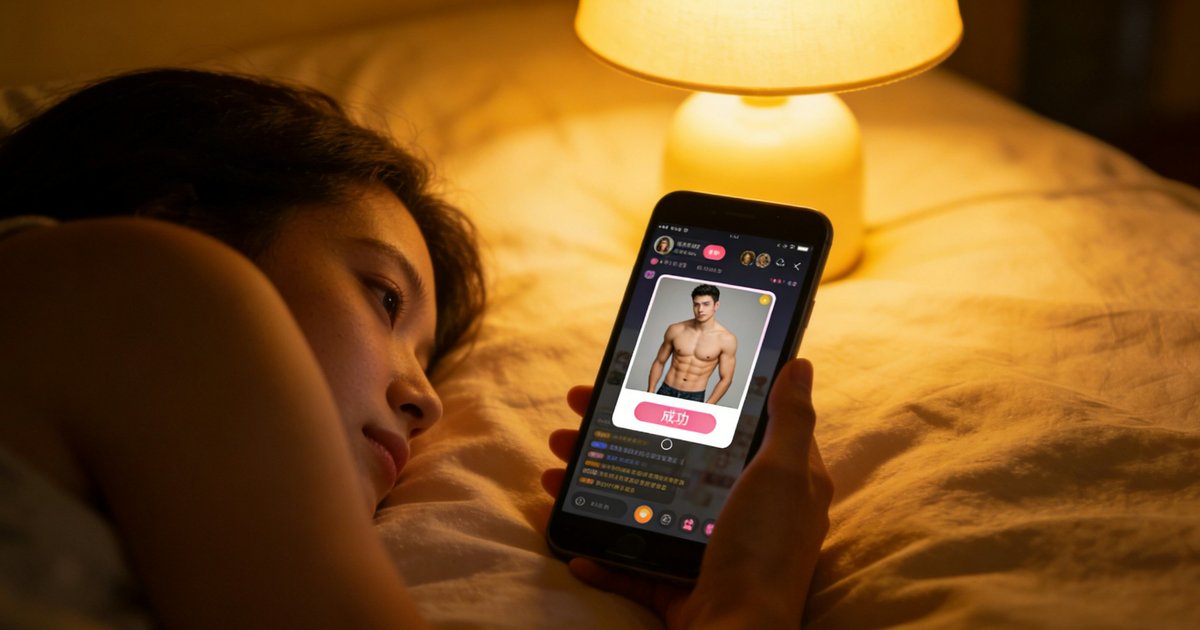
This third installment of the "Social Media Syndrome" series examines how dating apps weaponize psychological mechanisms to keep users swiping. Five Hong Kong Z-generation professionals with master's degrees share their experiences of addiction, anxiety, and disappointment on platforms that promise connection but deliver commodified interactions. Academics argue that the unlimited options these apps provide create paradoxical outcomes: instead of finding better matches, users become paralyzed by FOMO and increasingly distrustful of digital presentations.
Key Points
- University of Sydney media lecturer Chen Lishen compares dating app algorithms to slot machines, using "intermittent positive reinforcement" where unpredictable matching keeps users continuously swiping .
- 26-year-old interviewee Guazi admits to feeling "devalued" when immediate responses seem "cheap," and would intentionally delay replies to appear more desirable .
- User Zhang Xiang (26) likens the experience to "submitting a resume—it's real, but not 100% authentic," noting how men routinely inflate heights, prompting women to raise their filters accordingly .
- HKU Business School assistant professor Dang Zhu (党矗) warns that excessive profile information causes users to eliminate potentially compatible matches based on superficial criteria before any real interaction occurs .
- Wang Qing (26) rejected a seemingly "ideal boyfriend" after seven dates because she believed "this is only the first person I've met—maybe the next one will be better" .
Why It Matters
For Hong Kong's digitally native generation facing housing pressures, career instability, and shrinking social spaces, dating apps have become primary venues for romantic connection. However, when algorithms prioritize engagement over genuine compatibility, they undermine the very relationships users seek. This creates a paradox where technology designed to connect people may be deepening isolation and eroding trust in authentic human connection. The anxiety stemming from infinite choice may prove more damaging than the loneliness these apps promise to cure.
For Hong Kong's digitally native generation facing housing pressures, career instability, and shrinking social spaces, dating apps have become primary venues for romantic connection. However, when algorithms prioritize engagement over genuine compatibility, they undermine the very relationships users seek. This creates a paradox where technology designed to connect people may be deepening isolation and eroding trust in authentic human connection. The anxiety stemming from infinite choice may prove more damaging than the loneliness these apps promise to cure.