Lyricist Peter Lai Dies at 75; Colleagues Mourn Cantonese Culture Guardian
AM730 · 1 SOURCESabout 17 hours ago2 MIN
Summary
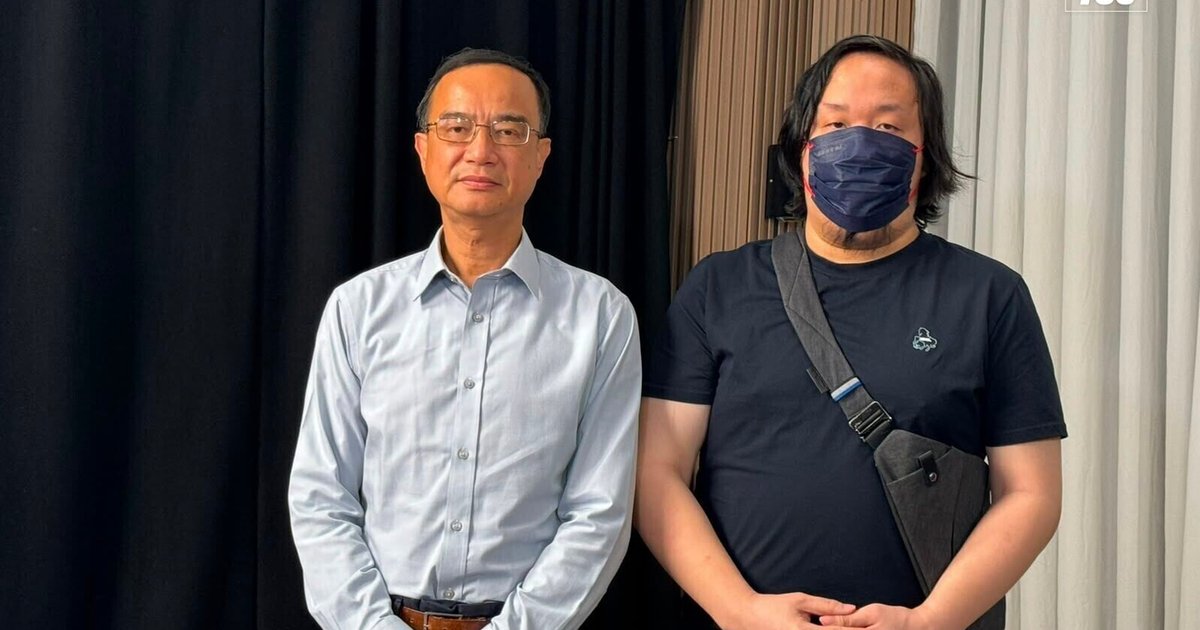
Veteran lyricist and actor Peter Lai (Lai Bit-chak, born Lai Sing-chiu) passed away on August 5 at 11 a.m. after a prolonged illness, his son Lai Shu-tak confirmed at a press conference alongside broadcaster Chung Chi-kwong . Lai had been receiving care at multiple medical facilities since March following an ischemic stroke, with colleagues including Myolie Wu and Marianne Chan visiting him regularly . Chung praised Lai as a pivotal promoter of Cantonese culture who masterfully incorporated local slang and colloquialisms into popular songs .
Key Points
- Peter Lai died on August 5 at 11 a.m. after his condition deteriorated following months of medical care .
- He was admitted to Yan Chai Hospital Wah Mau Care and Attention Home on March 23, then hospitalized for ischemic stroke on April 30 .
- Lai was transferred to Lai King Building for convalescence on June 8 before his condition declined sharply in recent days .
- Chung Chi-kwong hailed Lai as a "Cantonese culture promoter" for embedding authentic Cantonese slang like "gau goeng" (bold enough) into pop lyrics .
- Colleagues including Myolie Wu, Marianne Chan, Angelina Lo, So Yan-chi, Yeung Sui-lun, Angela Tong, and Lin Suk-man visited Lai during his illness .
Why It Matters
Lai's death marks the loss of a unique cultural figure who preserved and popularized Cantonese linguistic heritage through entertainment, bridging generations of Hong Kong identity . His work with Samuel Hui and contributions to Cantopop demonstrated that vernacular language could achieve artistic sophistication, leaving an enduring legacy for Hong Kong's cultural memory .
Lai's death marks the loss of a unique cultural figure who preserved and popularized Cantonese linguistic heritage through entertainment, bridging generations of Hong Kong identity . His work with Samuel Hui and contributions to Cantopop demonstrated that vernacular language could achieve artistic sophistication, leaving an enduring legacy for Hong Kong's cultural memory .