Survey Finds Widespread Medication Difficulties Among Elderly
Bastillepost · 2 SOURCESabout 3 hours ago4 MIN
Summary
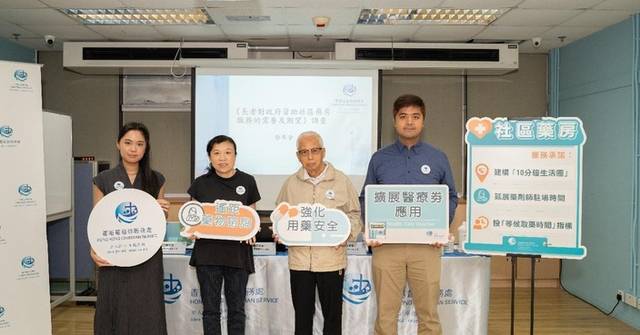
Hong Kong Christian Service and its Elderly Council surveyed 492 people aged 55 or above on their needs and expectations for government-subsidised community pharmacy services, ahead of the phased rollout of the Community Pharmacy Scheme from the fourth quarter of this year, with a goal of covering all 18 districts by the end of 2027. The findings show that polypharmacy is common, public hospitals and outpatient clinics remain the main source of medicines, and many older people still face practical problems in collecting and managing drugs. Nearly 60% said they had forgotten or missed doses in the past year, despite more than 90% saying they could handle their medicines independently. The organisation called for community pharmacies to be located within a 10-minute travel radius, offer more flexible hours, and allow the use of healthcare vouchers for pharmacy services.
Key Points
- Among respondents, 81.7% were aged 65 or above, 44.9% lived alone, and 55.1% lived with others, showing substantial support needs among older households
- Medication use was heavy: 82.1% took one to five medicines weekly, 22.6% took four to five, and 16.1% needed six or more.
- Public hospitals or outpatient clinic pharmacies were the main collection channel for 91.5%, yet 68.3% had difficulties, mainly long waits and inconvenient locations.
- Although 91.3% said they could manage medicines on their own, 58.5% still forgot doses; others worried about interactions, side effects and duplicate use.
- Older respondents wanted on-site pharmacists throughout service hours, emergency short-term refills for chronic illness drugs, expired-drug collection, dose packaging and healthcare voucher coverage.
- The survey also recorded caregiving cases that illustrate the pressure behind the statistics. An 84-year-old service user, Mr Wong, said he and his wife are both elderly, his wife is almost blind in one eye, has multiple chronic illnesses and recently fell at home, while he himself has degenerative joint problems. He said accompanying his wife to hospital follow-up appointments and collecting medicines is exhausting, and he worries that if any medicine is lost and cannot be replaced quickly, treatment could be interrupted. He hopes a community pharmacy near his home could reduce the burden of travel and caregiving
- Another case involved Ms Ng, a working caregiver in her 40s whose 76-year-old mother has dementia and several chronic diseases including hypertension, diabetes and high cholesterol. Because of work, she usually relies on her 76-year-old father to accompany her mother to appointments, and only visits after work. She found medicines placed incorrectly in the same pillbox compartment and said her mother had sometimes claimed some drugs were finished early, raising fears of duplicate dosing or incorrect use. She wants an immediate medication consultation platform and pre-packed dose-by-dose dispensing through clinics or pharmacies to lower the risk of mistakes.
- Hong Kong Christian Service said price and convenience were major concerns for older residents. Source said 72.8% were most concerned about medicine and service charges, hoping prices would be close to Hospital Authority levels or that the government would subsidise the difference. Source said 65.7% wanted discounts on self-financed medicines for elderly users, while 56.3% supported using healthcare vouchers to pay related service fees. The group also proposed clear waiting-time indicators, evening service such as 6pm to 10pm on weekdays, weekend opening, remote medication consultation and a mechanism for emergency refills for chronic disease patients.
Why It Matters
As Hong Kong expands community-based primary healthcare, the success of the pharmacy scheme will depend not only on adding collection points but on whether older residents can get timely professional advice close to home. If access, pricing and pharmacist availability are not addressed, elderly patients and carers may continue to face missed doses, treatment interruptions and avoidable stress even after the scheme is rolled out.