Measles Case in Hong Kong Triggers 198 Contact Traces
Crhk · 6 SOURCES39 minutes ago2 MIN
Summary
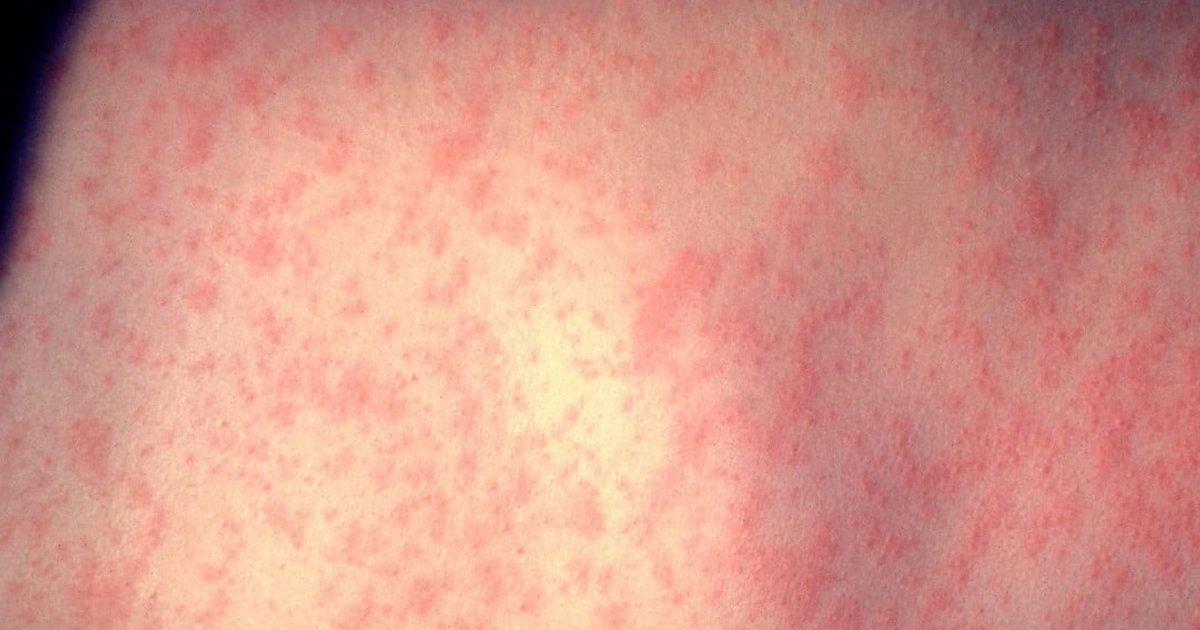
Hong Kong’s Centre for Health Protection said a 35-year-old woman has been confirmed with measles and that 198 people have been classified as close contacts for medical surveillance . The patient is not Hong Kong-born, is unsure whether she received a measles vaccine in her place of birth, and had briefly travelled outside Hong Kong during the incubation period . She developed fever and cough on August 4, a rash on August 9, and sought treatment at the accident and emergency department of United Christian Hospital the same day without needing admission . Authorities said no close contacts or household contacts had shown measles symptoms as of 3pm on August 18, and the patient remains in stable condition .
Key Points
- The Centre for Health Protection said the 35-year-old female patient’s clinical sample tested positive for measles, and she is currently in stable condition .
- She first developed fever and cough on August 4, then a rash on August 9, when she went to United Christian Hospital’s emergency department .
- Epidemiological investigation found she was not born in Hong Kong, could not confirm prior measles vaccination, and had briefly travelled during incubation .
- Health officials said she did not need to work during her infectious period, reported as August 5 to 13 by most sources .
- By 3pm on August 18, authorities had identified 198 close contacts for medical surveillance, with no symptoms reported among them so far .
Why It Matters
The case adds to Hong Kong’s measles tally for the year, which has now reached nine, including earlier imported, epidemiologically linked, and local infections . The large number of contacts linked to one patient also shows why hospital-based tracing and follow-up remain important when vaccination history is uncertain .
The case adds to Hong Kong’s measles tally for the year, which has now reached nine, including earlier imported, epidemiologically linked, and local infections . The large number of contacts linked to one patient also shows why hospital-based tracing and follow-up remain important when vaccination history is uncertain .