For love of the game: why some athletes chase impossible Olympic dreams
SCMP · 1 SOURCESabout 3 hours ago2 MIN
Summary
When lacrosse returns to the Olympic Games in 2028 after more than a century away, Hong Kong's teams face a daunting path to Los Angeles, currently ranked 13th in the men's division and 21st in the women's . With only 12 spots available across both competitions in the new sixes format, the city must first secure a top-five finish at October's regional championships in Australia to even qualify for the World Lacrosse Sixes Championships . Despite these overwhelming odds, Hong Kong's lacrosse players continue their relentless pursuit of an Olympic dream that may never materialize, juggling training with jobs and education .
Key Points
- Hong Kong's men's lacrosse team ranks 13th globally in the traditional 10s format, while the women's team sits at 21st, both currently outside Olympic contention
- The 2028 Los Angeles Games will feature only 12 teams total—six each in men's and women's sixes format, a significant reduction from traditional formats
- Athletes must achieve a top-five finish at October's regional championships in Australia to advance to the World Lacrosse Sixes Championships
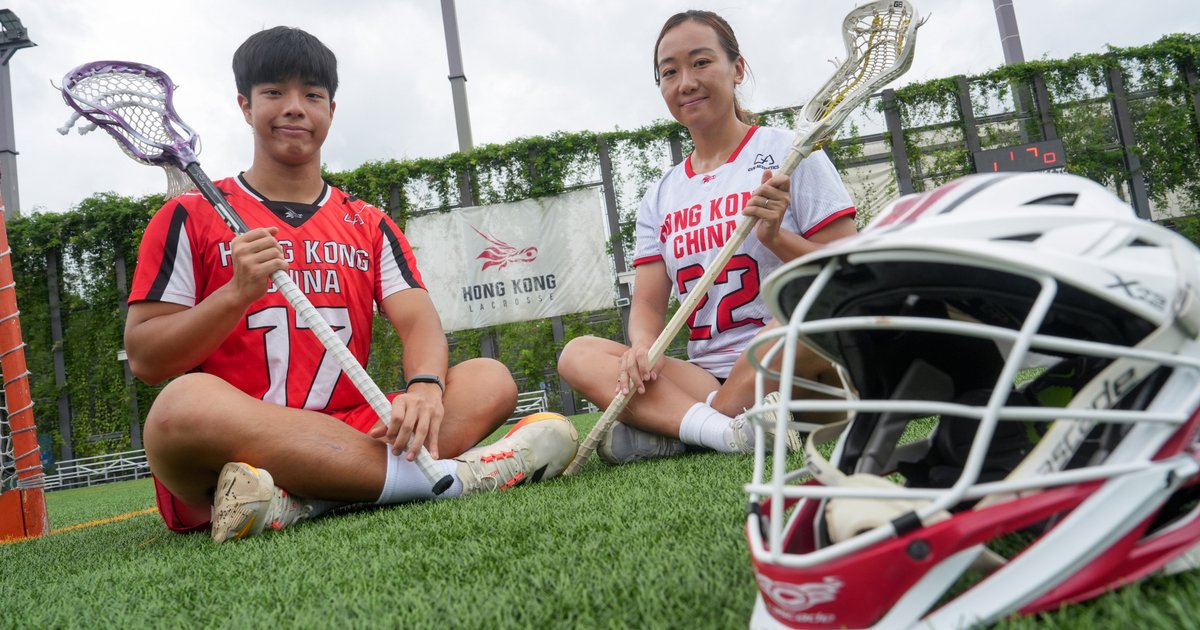
- Women's captain Sally Tang Yi-ting, 19, describes the Olympics as a "golden challenge" worth pursuing despite the long road ahead
- Baron Lee Chun-long, also 19, acknowledges the difficulty but emphasizes that Olympic inclusion gives younger players hope to reach the world stage
Why It Matters
Hong Kong's lacrosse pursuit exemplifies a broader tension between resource allocation and sporting aspiration in a city without full-time national athletes. The athletes' dedication despite minimal funding and institutional support raises questions about the nature of sporting achievement itself—does the pursuit of an impossible dream hold intrinsic value, or should resources be directed toward more achievable goals? Their journey also highlights how Olympic inclusion can transform a sport's visibility and youth participation even for nations unlikely to compete on that stage .
Hong Kong's lacrosse pursuit exemplifies a broader tension between resource allocation and sporting aspiration in a city without full-time national athletes. The athletes' dedication despite minimal funding and institutional support raises questions about the nature of sporting achievement itself—does the pursuit of an impossible dream hold intrinsic value, or should resources be directed toward more achievable goals? Their journey also highlights how Olympic inclusion can transform a sport's visibility and youth participation even for nations unlikely to compete on that stage .