Fed Chair Warsh Signals Rate Hikes May Be Needed as Inflation Stays High
SCMP · 2 SOURCESabout 2 hours ago2 MIN
Summary
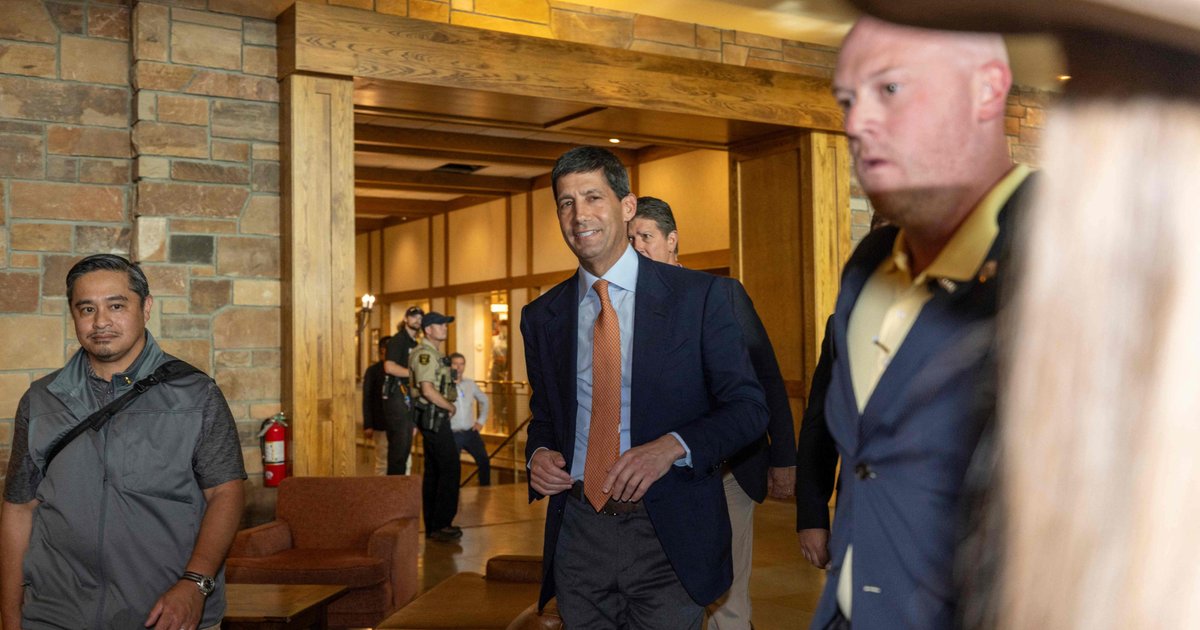
Federal Reserve Chair Kevin Warsh signaled Friday that the central bank may need to raise interest rates to bring down inflation, which remains well above the Fed's 2% target. In his first major speech at the Jackson Hole economic symposium, Warsh said recent data "do not tell me that underlying trends have meaningfully improved" and that the Fed will have "work to do" if inflation doesn't return to target. The remarks marked the clearest indication yet that the new Fed chair believes current interest rates may not be restrictive enough to ease price pressures.
Key Points
- Warsh delivered remarks at the Fed's annual Jackson Hole economic symposium in Wyoming, his first high-profile speech at the conference since taking office
- The Fed chair replaced Jerome Powell on May 22 and faces high stakes with questions swirling on Wall Street about his focus on fighting inflation
- Inflation by the Fed's preferred Personal Consumption Expenditures Price Index remained at 3.7% on an annual basis as of July, far above the 2% target
- Warsh acknowledged that short-term interest rates "are the predominant tool to achieve the dual mandate" and said financial conditions do not appear restrictive
- The Fed's next policy meeting is scheduled for September 15-16, though Warsh's remarks don't necessarily signal an immediate rate hike then
Why It Matters
Warsh's speech signals a potential policy shift at the Fed and raises the possibility of higher borrowing costs ahead, which could affect everything from mortgage rates to business loans. The fact that the new chair is more openly hawkish on inflation than his predecessor marks a significant change in tone that markets will be closely watching as the September meeting approaches .
Warsh's speech signals a potential policy shift at the Fed and raises the possibility of higher borrowing costs ahead, which could affect everything from mortgage rates to business loans. The fact that the new chair is more openly hawkish on inflation than his predecessor marks a significant change in tone that markets will be closely watching as the September meeting approaches .