Ethnic minorities can bridge Hong Kong with Belt and Road nations, Labour Secretary says
SCMP · 1 SOURCESabout 2 hours ago2 MIN
Summary
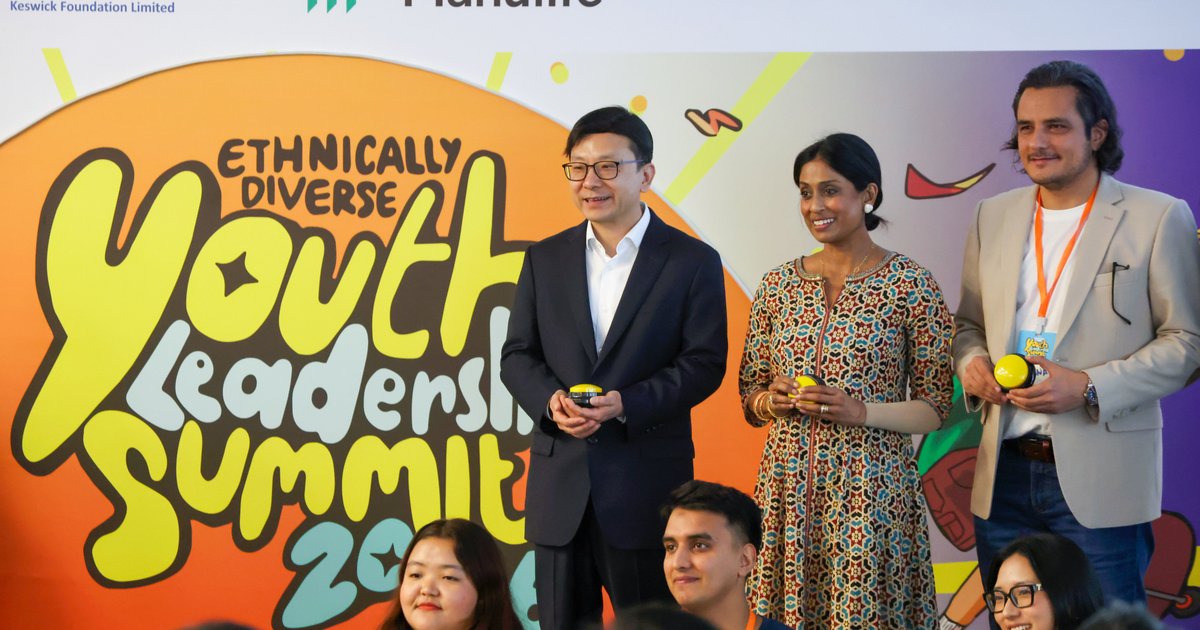
Labour Secretary Chris Sun Yuk-han told the Zubin Foundation's Ethnically Diverse Youth Leadership Summit on Saturday that Hong Kong's ethnic minority communities can leverage their multicultural backgrounds and language skills to strengthen ties with Belt and Road countries. He addressed an audience of about 300 young people from diverse ethnic backgrounds at the event, emphasizing their strategic importance as the city deepens regional cooperation.
Key Points
- Labour Secretary Chris Sun Yuk-han told approximately 300 ethnic minority youth at Saturday's summit that they represent locally grown talent who speak relevant languages and understand various cultures
- Beijing's Belt and Road Initiative encompasses nations where many Hong Kong ethnic minorities have ancestral roots, including Pakistan, Nepal and the Philippines
- According to the 2021 census, Hong Kong is home to over 300,000 ethnic minorities, excluding foreign domestic helpers, representing about 4.1 per cent of the total population
- Many South Asian and Southeast Asian communities in Hong Kong have established multigenerational ties to the city
- Despite recent progress, ethnic minorities continue facing challenges including low incomes, limited career advancement and insufficient Chinese-language proficiency
- Saturday's summit, organized by the Zubin Foundation, brought together government officials, business leaders, entrepreneurs and community representatives to explore opportunities for ethnic minority youth
Why It Matters
The summit highlights how Hong Kong's demographic diversity could serve as a strategic asset in advancing the city's connectivity goals under the Belt and Road Initiative, potentially opening new pathways for historically marginalised communities while addressing persistent socioeconomic disparities they face .
The summit highlights how Hong Kong's demographic diversity could serve as a strategic asset in advancing the city's connectivity goals under the Belt and Road Initiative, potentially opening new pathways for historically marginalised communities while addressing persistent socioeconomic disparities they face .