F1 Returns to Africa After 33 Years as Rwanda Signs 10-Year Deal
AM730 · 2 SOURCESabout 3 hours ago2 MIN
Summary
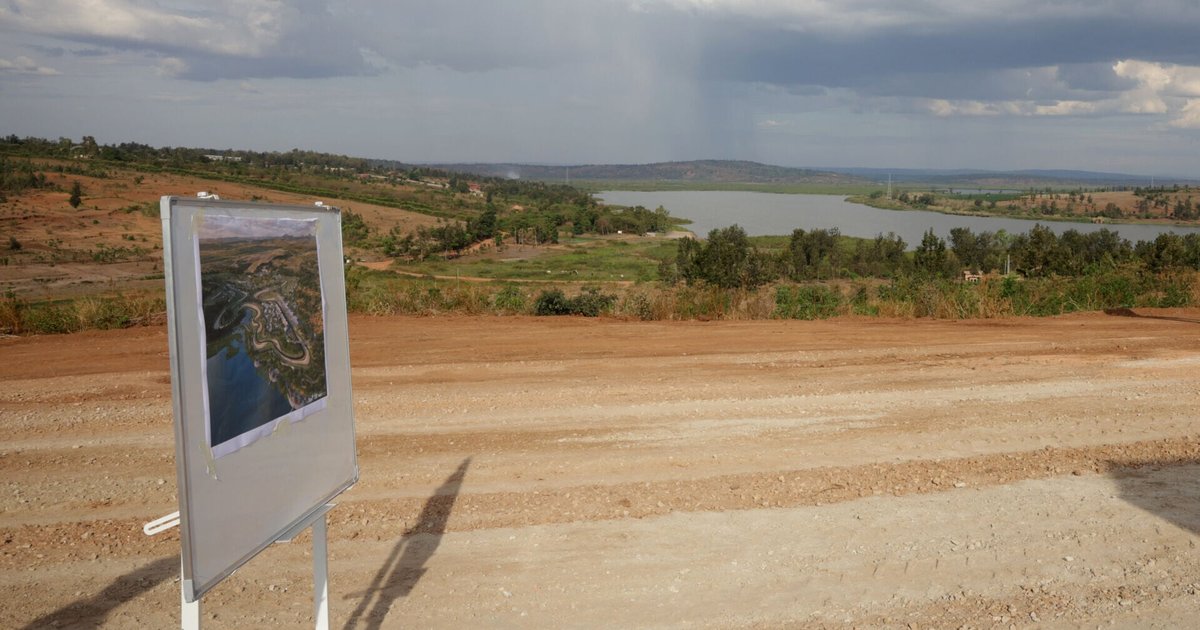
Rwanda has signed a 10-year agreement with Formula One to host the African Grand Prix starting in the early 2030s, marking the sport's return to the continent after 33 years. The new circuit will be built in Bugesera district, approximately 40 kilometers south of Kigali, adjacent to a new international airport. Former F1 driver Alex Wurz has been commissioned to design the track, which aims to harmonize with the natural landscape while providing a challenging racing experience. President Paul Kagame hailed the agreement as a transformative moment for African fans who have waited over three decades to witness the world's top racing championship on their home continent.
Key Points
- Rwanda and F1 signed a 10-year deal targeting the early 2030s for the first African Grand Prix since 1993
- The circuit will be constructed in Bugesera, about 40 kilometers south of the capital Kigali, near a new international airport
- Former F1 driver Alex Wurz designed the track to integrate with the region's natural terrain and provide unique challenges
- President Paul Kagame emphasized that young Africans deserve to watch the sport at home and potentially participate as engineers or drivers
- F1 has capped the season at 24 races, meaning some existing events may be replaced by the new African venue
Why It Matters
F1's expansion into Africa represents a strategic move to develop an untapped market compared to Europe, Asia, and the Americas. The return of racing to the continent after three decades carries symbolic significance, offering inspiration to millions of young Africans who may now see pathways into motorsport as competitors or technical professionals. However, the announcement has also sparked debate over whether hosting F1 could constitute "sportswashing" for a country with documented human rights concerns.
F1's expansion into Africa represents a strategic move to develop an untapped market compared to Europe, Asia, and the Americas. The return of racing to the continent after three decades carries symbolic significance, offering inspiration to millions of young Africans who may now see pathways into motorsport as competitors or technical professionals. However, the announcement has also sparked debate over whether hosting F1 could constitute "sportswashing" for a country with documented human rights concerns.