Hospital Authority CEO Responds to Patient Death After Solid Food Mix-Up
Bastillepost · 2 SOURCESabout 2 hours ago2 MIN
Summary
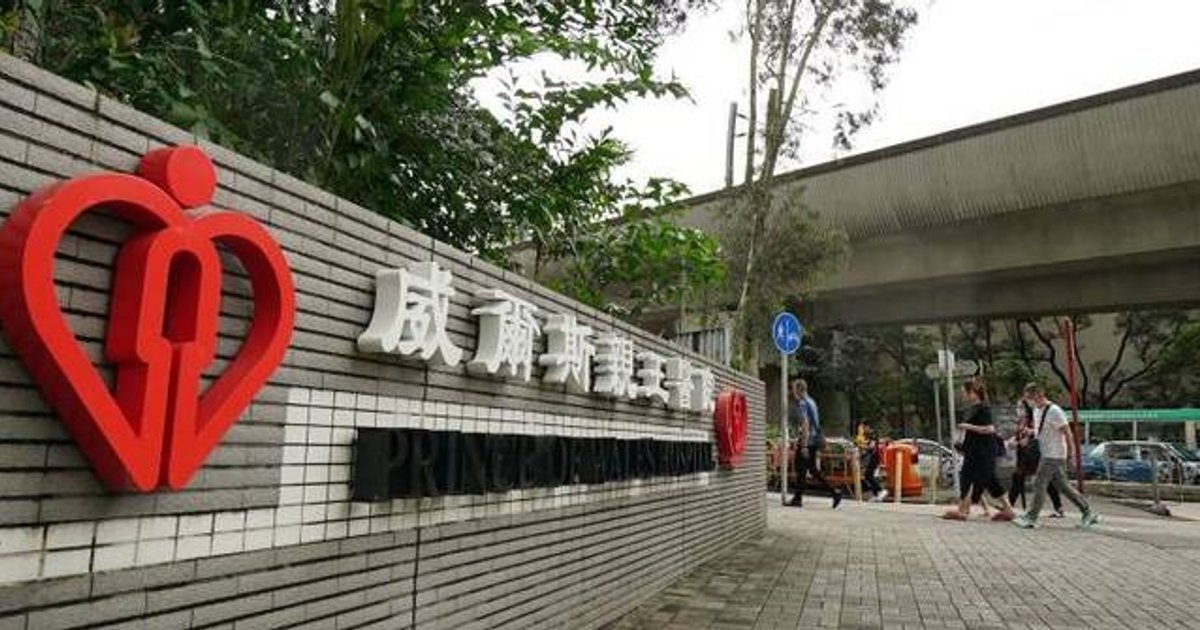
A serious medical incident occurred at Prince of Wales Hospital in Sha Tin when a dementia patient who required pureed meals was given solid food following a clinical assessment that deemed the patient capable of tolerating normal meals. After being fed the solid meal, the patient experienced discomfort and cardiac arrest before passing away. Hospital Authority CEO Lee Ha-yum addressed the media following the authority's board meeting, characterizing the incident as deeply troubling and unprecedented in its impact on healthcare professionals. She stressed that an investigation report into the causes of the incident is currently pending, while highlighting critical questions about whether proper examinations were conducted and whether staff fully understood the patient's dietary limitations.
Key Points
- The incident involved a dementia patient at Prince of Wales Hospital who required pureed meals but was approved for and given regular solid food
- Hospital Authority CEO Lee Ha-yum stated the event is extremely unsatisfactory and represents a major shock to the medical profession
- The investigation report into the incident's causes remains pending, with Lee emphasizing that medical staff must confirm what examinations were performed
- Lee cited an example: if a patient is bedridden and has difficulty eating, there should be no reason to provide solid food
- The CEO believes procedures may have been unclear and called for improvements in staff awareness and patient examination protocols
Why It Matters
This incident highlights critical gaps in clinical assessment protocols for patients with special dietary needs, raising questions about how healthcare workers verify and communicate patient requirements. The case underscores the need for robust verification systems in hospitals to ensure patients receive appropriate meals based on their actual medical conditions. Healthcare authorities must address these systemic vulnerabilities to prevent similar tragedies and maintain public trust in hospital safety standards .
This incident highlights critical gaps in clinical assessment protocols for patients with special dietary needs, raising questions about how healthcare workers verify and communicate patient requirements. The case underscores the need for robust verification systems in hospitals to ensure patients receive appropriate meals based on their actual medical conditions. Healthcare authorities must address these systemic vulnerabilities to prevent similar tragedies and maintain public trust in hospital safety standards .