From 'Foreign Devil Lychee' to 'Sakyamuni': The Sacred Story Behind a Tropical Fruit
Bastillepost · 1 SOURCESabout 2 hours ago6 MIN
Summary
The custard apple (Annona squamosa) goes by many names across Chinese-speaking regions, each revealing layers of cultural and historical influence. In Hong Kong, older generations still call it "fan gwai lai ji" (番鬼荔枝), a Cantonese term reflecting its foreign origins, while younger people and dessert enthusiasts know it as "shakya" (釋迦), the name popularized by Taiwan that carries Buddhist religious significance .
Key Points
- The fruit's Hong Kong name "fan gwai lai ji" (literally "foreign devil lychee") reflects its tropical American origin and introduction by foreigners during the colonial era, showcasing the city's historical blend of Chinese and Western influences .
- Taiwan's name "shakya" derives from the fruit's resemblance to the coiled hair (luoji) of Sakyamuni Buddha, with its protruding fleshy scales mimicking the iconic hairstyle depicted in Buddhist art .
- Taitung County in eastern Taiwan serves as the premier production region, cultivating two main varieties: the traditional "Da Mu Shakya" (large-eye shakya) with custard-like white flesh, and the hybrid "Pineapple Shakya" with firmer, more elastic texture and subtle pineapple fragrance .
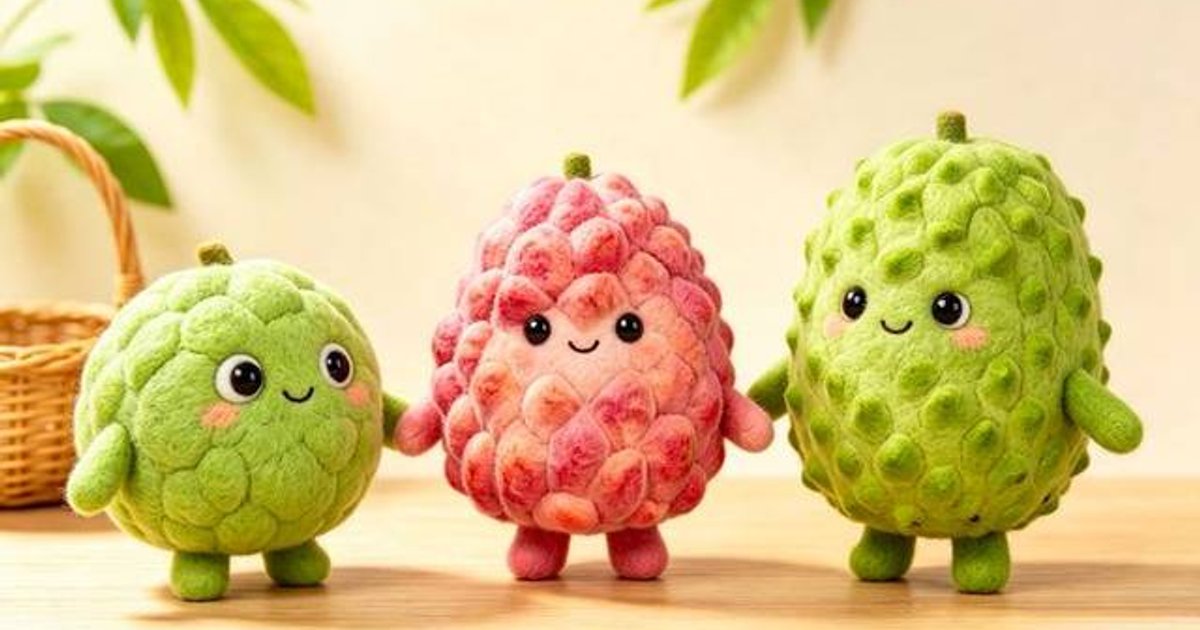
- Mainland Chinese producers in Hainan, Guangdong, and Yunnan have aggressively expanded cultivation, with Hainan's optimal light and heat conditions producing sweetness comparable to imported fruit, while new "red-skinned shakya" varieties with purple-pink mature coloring command premium prices .
- A viral internet claim that "shakya is 10,000 times stronger than chemotherapy" is scientifically unfounded; researchers extracted cancer-inhibiting compounds only from the related soursop (Annona muricata) leaves and seeds in laboratory cell studies, not from shakya fruit flesh .
Why It Matters
For Hong Kong consumers, understanding these naming conventions illuminates how colonial trade routes shaped local food culture, while the fruit's religious Taiwanese nomenclature demonstrates the ongoing cultural exchange across Greater China. The emergence of mainland Chinese production and novel varieties like red-skinned shakya also signals shifting supply chains that may affect pricing and availability in Hong Kong's import-dependent fruit market .
For Hong Kong consumers, understanding these naming conventions illuminates how colonial trade routes shaped local food culture, while the fruit's religious Taiwanese nomenclature demonstrates the ongoing cultural exchange across Greater China. The emergence of mainland Chinese production and novel varieties like red-skinned shakya also signals shifting supply chains that may affect pricing and availability in Hong Kong's import-dependent fruit market .