US Sanctions Five Chinese Companies Over Alleged Theft of Google's AI Secrets
Crhk · 2 SOURCESabout 5 hours ago5 MIN
Summary
The United States has imposed sanctions on five Chinese companies accused of stealing artificial intelligence (AI) trade secrets from Google, marking an escalation in technology-related tensions between Washington and Beijing. The sanctions target companies linked to former Google engineer Ding Linwei, who was convicted in January 2026 of stealing confidential AI infrastructure materials. China has firmly rejected the allegations, condemning the measures as discriminatory and harmful to Chinese enterprises. The Treasury Department has given US parties until January 19, 2027 to wind down business with the sanctioned entities.
Key Points
- The US State Department announced sanctions against five Chinese companies allegedly involved in stealing Google's AI commercial secrets
- The companies include Shanghai Zhisuan Technology (上海至算科技), founded by Ding Linwei, and four subsidiaries under venture capital firm Qiji Chuangtan (奇績創壇)
- Ding Linwei applied to join Qiji Chuangtan's startup incubator program, promoting his internal Google systems experience and claiming he could replicate Google's AI infrastructure
- Ding was convicted in January 2026 on seven counts of trade secret theft for secretly downloading over 2,000 pages of confidential AI core infrastructure documents
- The sanctions freeze the companies' US assets and prohibit Americans from trading with them; Treasury allows wind-down until January 19, 2027
Why It Matters
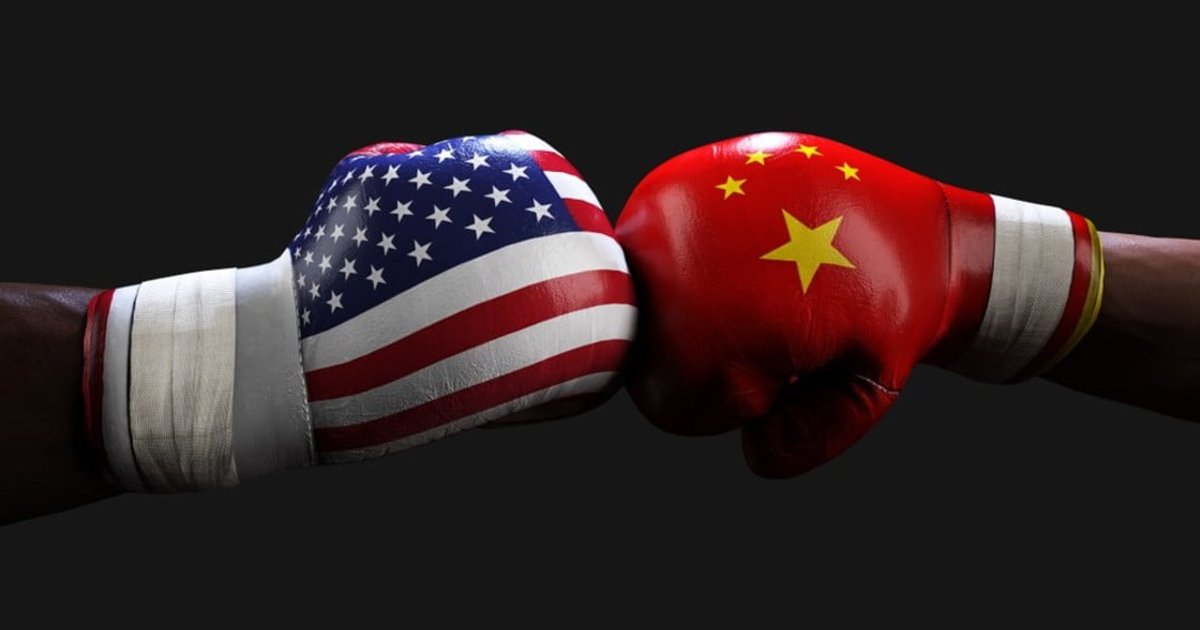
The sanctions highlight the intensifying US-China rivalry over AI technology leadership, with both nations viewing AI capabilities as central to future economic and military competitiveness . China's strong condemnation and warning of countermeasures signals that the dispute could further strain bilateral relations already tested by trade and technology restrictions .
The sanctions highlight the intensifying US-China rivalry over AI technology leadership, with both nations viewing AI capabilities as central to future economic and military competitiveness . China's strong condemnation and warning of countermeasures signals that the dispute could further strain bilateral relations already tested by trade and technology restrictions .