US, Japan, South Korea to Stage 'Freedom Edge' Trilateral Exercise Next Month
SingTao · 2 SOURCESabout 2 hours ago2 MIN
Summary
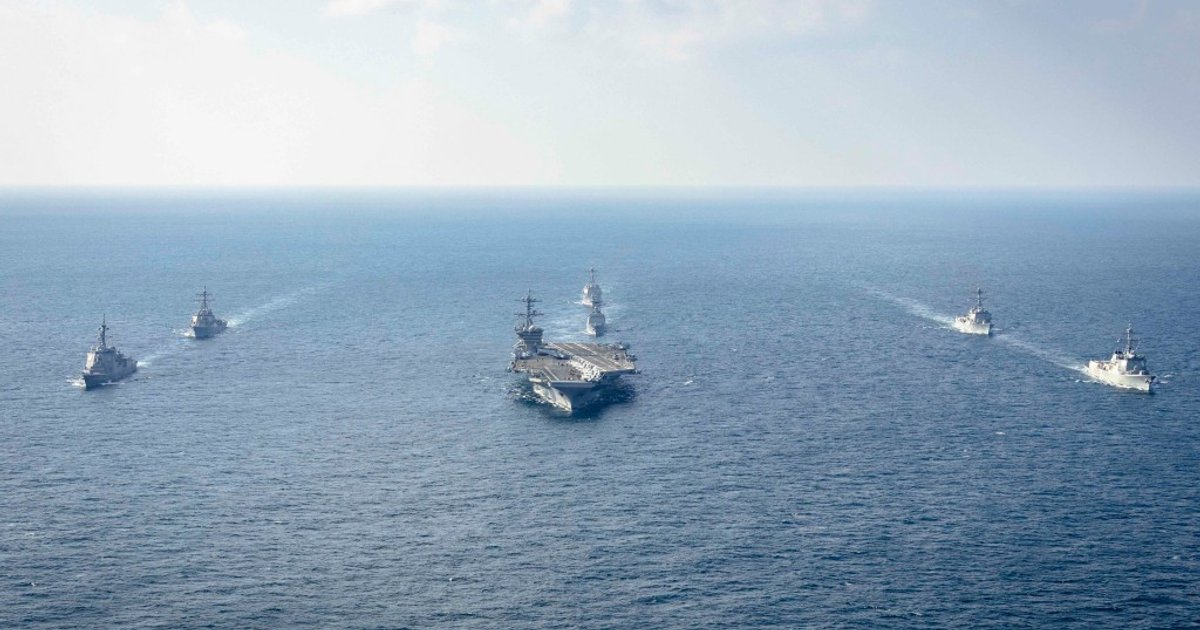
The United States, Japan, and South Korea are set to conduct their annual Freedom Edge trilateral military exercise from September 7 to 11, according to an announcement by South Korea's Joint Chiefs of Staff. The drills will take place in international waters east and south of Jeju Island and are designed to test combined readiness against North Korea's evolving nuclear and missile threats. The exercise, first held in June 2024, stems from agreements reached at the August 2023 Camp David summit between the leaders of the three nations. Its timing coincides with President Trump's efforts to scale back separate US-South Korea joint exercises, apparently in a bid to restart dialogue with North Korean leader Kim Jong Un.
Key Points
- The Freedom Edge exercise runs September 7-11 in international waters near Jeju Island, South Korea, involving US, Japanese, and South Korean forces
- Drills will include sea-based missile defense, anti-submarine warfare, air defense, and cyber defense operations
- The exercise is defensive in nature and part of the security architecture agreed upon at the 2023 Camp David summit
- The drills aim to counter North Korea's nuclear and missile threats and maintain peace and stability in the region
- US Pacific Command spokesperson Lieutenant Colonel Morgan stated the exercise will strengthen interoperability and defense partnerships across the Pacific
- President Trump has halved the duration of the separate Ulchi Freedom Shield exercise with South Korea and cancelled planned Marine Corps drills
Why It Matters
The Freedom Edge exercise represents a significant trilateral security commitment at a time when US regional military posture appears in flux. While Washington pushes for direct nuclear talks with Pyongyang, the continued staging of this joint drill signals that alliance readiness remains paramount, potentially complicating diplomatic overtures. The outcome of these seemingly contradictory signals—diplomatic outreach versus military demonstrations—could shape Northeast Asian security dynamics for years to come .
The Freedom Edge exercise represents a significant trilateral security commitment at a time when US regional military posture appears in flux. While Washington pushes for direct nuclear talks with Pyongyang, the continued staging of this joint drill signals that alliance readiness remains paramount, potentially complicating diplomatic overtures. The outcome of these seemingly contradictory signals—diplomatic outreach versus military demonstrations—could shape Northeast Asian security dynamics for years to come .