Hong Kong Targets Flash EV Charging by 2026, Eyes Carbon Neutrality by 2050
On.cc · 2 SOURCESabout 2 hours ago5 MIN
Summary
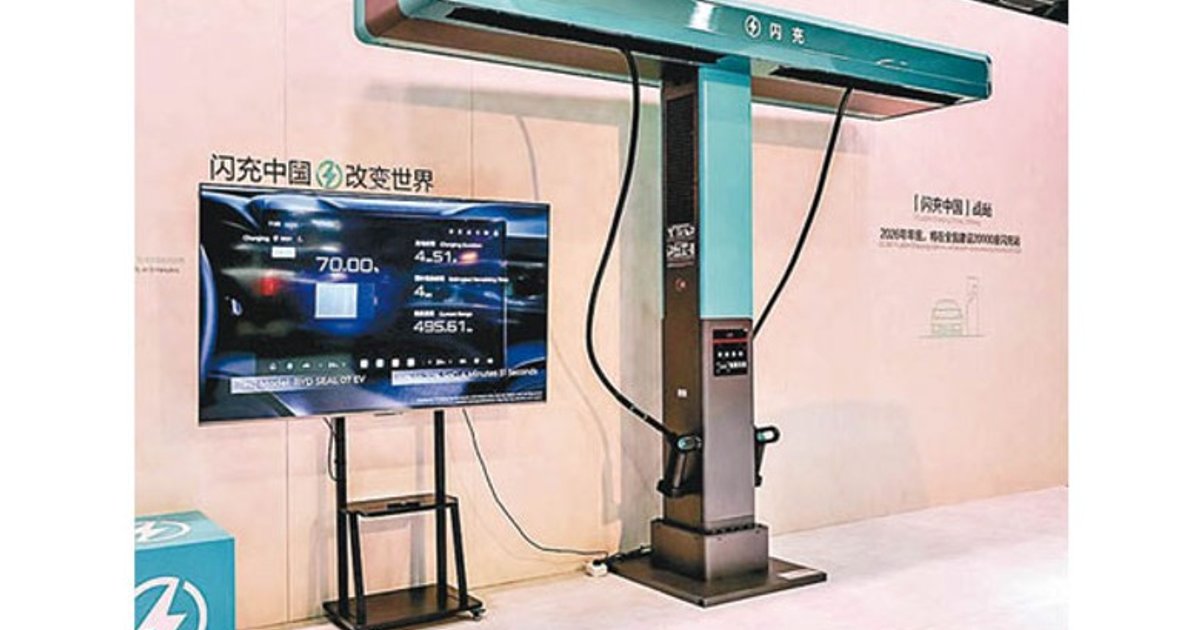
Environment and Ecology Bureau chief Tse Chin-wan (謝展寰) outlined ambitious plans on Thursday to revolutionize Hong Kong's electric vehicle charging infrastructure. Speaking on a radio program, Tse announced the target launch of "flash charging" stations next year, with the ability to fully charge a vehicle in approximately five minutes . The government also plans to incentivize companies to operate mobile charging vehicles to serve drivers in more remote areas of the territory .
Key Points
- The Secretary acknowledged that current EV charging facilities in Hong Kong are insufficient in both quantity and charging speed
- High-speed charging will serve as the backbone of the future charging network, with flash charging stations planned for next year
- Mobile charging vehicles will be introduced to assist electric vehicle owners in outlying areas where fixed charging infrastructure is limited
- The government maintains its target of achieving carbon neutrality by 2050, with climate change driven by carbon emissions identified as a key concern
- On electricity supply, Tse emphasized Hong Kong's high stability and adequate reserve capacity, ensuring no bottlenecks for developing computing and data centers
- Regarding waste charging, Tse noted positive results from publicity campaigns and the "Green@Community" recycling program, with public awareness significantly improved
- The second phase of the plastic restriction ordinance remains under review as authorities work with the food and beverage industry to find viable alternatives
Why It Matters
The flash charging initiative addresses a critical barrier to electric vehicle adoption in Hong Kong, where charging infrastructure has lagged behind global standards. This development could accelerate the territory's transition to sustainable transportation while supporting its broader carbon neutrality goals .
The flash charging initiative addresses a critical barrier to electric vehicle adoption in Hong Kong, where charging infrastructure has lagged behind global standards. This development could accelerate the territory's transition to sustainable transportation while supporting its broader carbon neutrality goals .