Melbourne Man Linked to Suspected flydubai Hijacker Condemns 'False Accusations'
Thestandard · 2 SOURCESabout 3 hours ago2 MIN
Summary
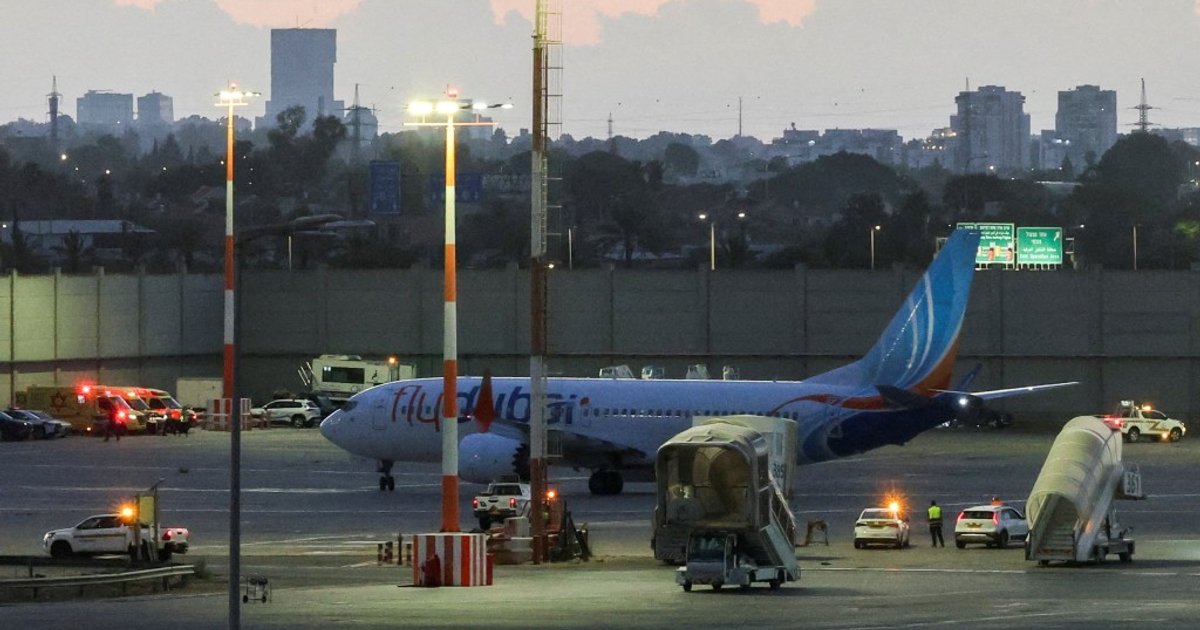
A Melbourne man linked by Emirati prosecutors to the suspected flydubai hijacker has condemned what he calls "false accusations" as investigations continue into the alleged cockpit attack that took place on September 30. The Omani co-pilot, now in custody in the UAE, allegedly attacked the Indian captain with an emergency axe during a flight from Dubai to Tel Aviv, prosecutors say. The prosecutors claim the suspect drew inspiration from al-Qaeda's September 11, 2001 attacks and was radicalised while studying in Australia. Neither the man nor his organisation have been accused of any criminal wrongdoing.
Key Points
- The Omani co-pilot carried out the alleged attack "with the aim of causing the greatest possible loss of life" and drew inspiration from al-Qaeda's 9/11 attacks, according to Emirati prosecutors
- Prosecutors allege the suspect first became radicalised while studying in Australia through extremist literature and online content glorifying terrorist organisations and suicide attacks
- The suspect allegedly contacted "My Centre," an organisation managed by Lebanese-Australian Abu Hamza (also named Samir Mohtadi), though neither he nor the centre face criminal charges
- During the September 30 flight, the suspect used an emergency axe to attack Indian captain Smit Machchhar, who fought back and tried to call for help before being rescued
- The attack was foiled when another pilot noticed unusual cockpit door activity and, with help from cabin crew and passengers, restrained the suspect and rescued the injured captain
Why It Matters
This incident highlights the ongoing threat of in-flight security breaches and the radicalisation risks posed by exposure to extremist content during overseas studies, raising questions about vetting procedures for aviation personnel . The case also underscores how innocent community organisations can be caught up in counterterrorism investigations, with potentially damaging collateral consequences for individuals and groups with no alleged criminal involvement .
This incident highlights the ongoing threat of in-flight security breaches and the radicalisation risks posed by exposure to extremist content during overseas studies, raising questions about vetting procedures for aviation personnel . The case also underscores how innocent community organisations can be caught up in counterterrorism investigations, with potentially damaging collateral consequences for individuals and groups with no alleged criminal involvement .