US Commerce Chief Confirms Semiconductor Tariffs; Domestic Production Exempt
On.cc · 2 SOURCESabout 3 hours ago2 MIN
Summary
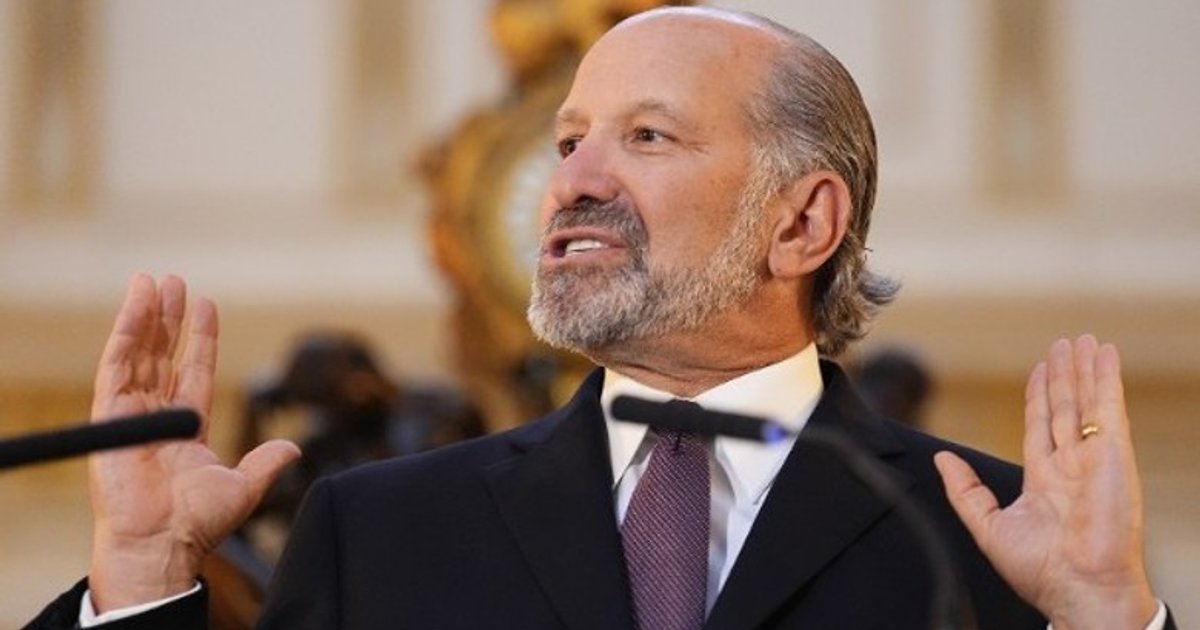
US Commerce Secretary Howard Lutnick confirmed on Wednesday (September 2) that the Trump administration is developing new semiconductor tariffs, offering exemptions to companies that manufacture chips in the United States. The policy approach mirrors the administration's pharmaceutical tariff strategy, which provides preferential treatment to firms producing innovative drugs domestically. Meanwhile, Taiwan is expected to announce a significant investment commitment to US semiconductor production as part of a previously negotiated trade agreement.
Key Points
- Lutnick confirmed the semiconductor tariff plan, stating companies operating in the US will receive tariff exemptions
- The Commerce Secretary cited the pharmaceutical industry's tariff model as the template for semiconductor policy
- Products under consideration include laptops, gaming consoles, and data center servers that use semiconductor chips
- One proposed framework would establish different tariff rates and import quotas for various countries
- Taiwan is expected to announce a 20-30 billion USD investment in US production next week as part of a trade deal
Why It Matters
The semiconductor tariff policy signals a significant shift in US trade strategy, potentially reshaping global supply chains in the technology sector. For Hong Kong, where electronics manufacturing and re-export trade form core economic activities, these policies could alter semiconductor sourcing costs and supply routes. The exemption structure creates a strong incentive for manufacturers to relocate production to the United States, which could affect the competitive position of Asian tech hubs and change the dynamics of regional trade flows through Hong Kong .
The semiconductor tariff policy signals a significant shift in US trade strategy, potentially reshaping global supply chains in the technology sector. For Hong Kong, where electronics manufacturing and re-export trade form core economic activities, these policies could alter semiconductor sourcing costs and supply routes. The exemption structure creates a strong incentive for manufacturers to relocate production to the United States, which could affect the competitive position of Asian tech hubs and change the dynamics of regional trade flows through Hong Kong .