Sports Medicine: Understanding the Slump Test for Sciatic Nerve Abnormalities
SingTao · 1 SOURCESabout 2 hours ago2 MIN
Summary
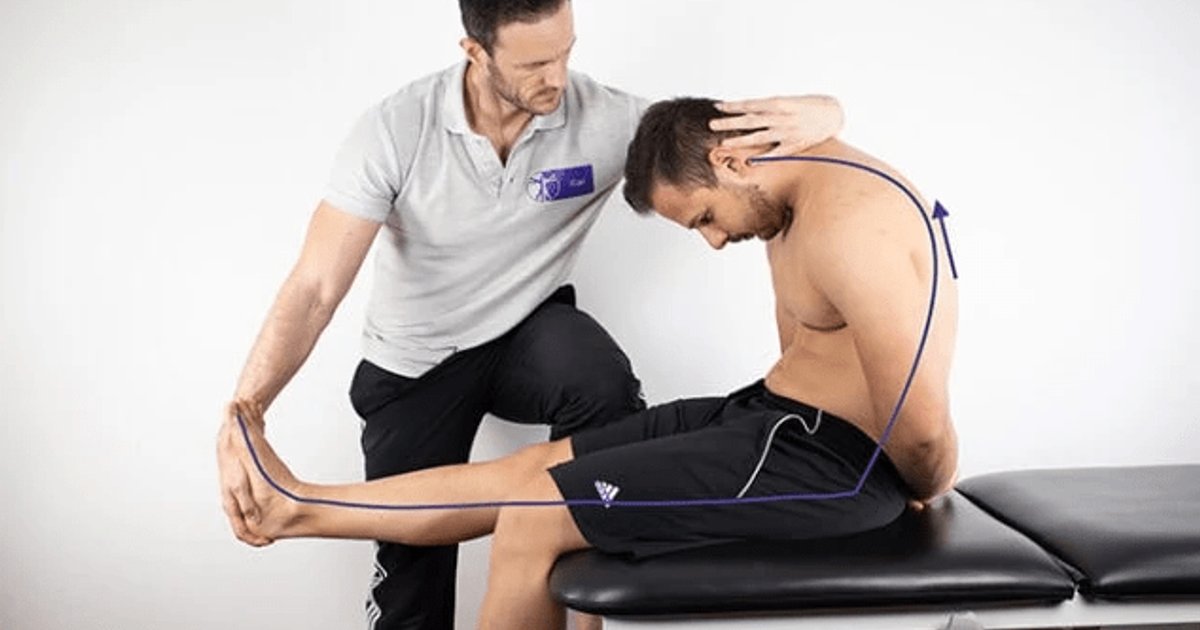
The Slump Test represents a sophisticated neurological assessment designed to detect nerve tissue damage and precisely locate affected areas within the spinal nervous system. This examination proves particularly valuable for distinguishing between acute disc herniation and nerve adhesions resulting from previous injuries, enabling clinicians to formulate personalized treatment and rehabilitation plans. The test comprises four sequential steps, each requiring brief pauses to observe symptom changes. Importantly, the procedure does not mandate completion of all steps—clinicians should halt testing immediately upon detecting a positive response to prevent exacerbating nerve damage.
Key Points
- The test capitalizes on the observation that forward-leaning postures significantly increase lumbar disc pressure, potentially causing discs to protrude posteriorly and irritate the posterior longitudinal ligament and nerve roots
- Step One requires the patient to sit at the edge of the examination table with both hands placed behind the lower back, slowly flexing the upper body while maintaining slight neck extension with gentle pressure to tension thoracic spinal nerves
- Step Two involves the patient slowly lowering the head into complete forward flexion, applying additional stress to the cervicothoracic nerve structures to identify brachial plexus compression or cervical disc root compression
- Step Three has the patient actively extending the knee joint, which stretches the sciatic nerve and tensions the dura mater and spinal cord, creating opposing forces along the entire spinal nervous system
- Step Four maintains knee extension while performing ankle dorsiflexion, further tensioning the sciatic nerve to provoke symptoms in the corresponding innervation zone
Why It Matters
For Hong Kong's active population, including athletes and office workers who spend extended hours in forward-leaning positions, understanding this diagnostic tool provides valuable insight into preventing and addressing spinal nerve conditions. Early and accurate identification of nerve involvement through methods like the Slump Test can prevent inappropriate treatment approaches that might worsen symptoms, ultimately reducing the burden on Hong Kong's healthcare system .
For Hong Kong's active population, including athletes and office workers who spend extended hours in forward-leaning positions, understanding this diagnostic tool provides valuable insight into preventing and addressing spinal nerve conditions. Early and accurate identification of nerve involvement through methods like the Slump Test can prevent inappropriate treatment approaches that might worsen symptoms, ultimately reducing the burden on Hong Kong's healthcare system .