Saudi Arabia Suspends Red Sea Oil Exports, Warns of Potential Disruptions Until November
SingTao · 1 SOURCESabout 3 hours ago3 MIN
Summary
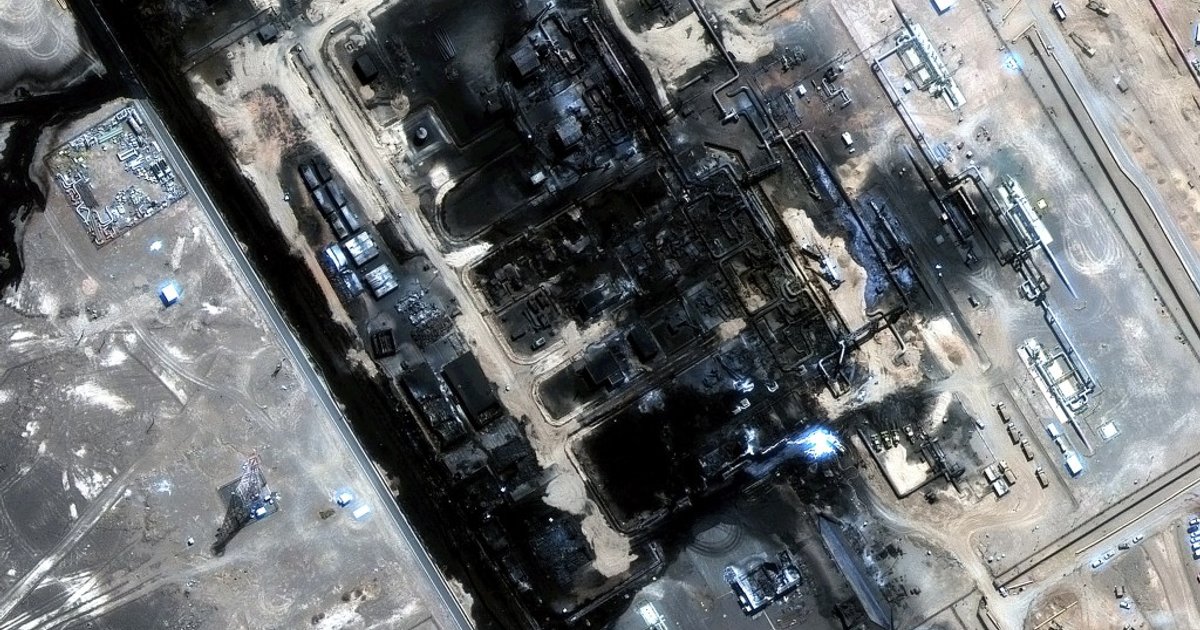
Saudi Arabia has suspended all crude oil exports from Red Sea ports since September 12, according to maritime intelligence firm Vortexa. The suspension follows a drone attack on the east-west Petroline pipeline on September 10, which forced the closure of this critical 1,200-kilometer artery connecting eastern oil fields to the Red Sea coastal port of Yanbu. Saudi Arabia has notified multiple European countries that oil shipments will either be cancelled or delayed until November .
Key Points
- The Petroline pipeline, responsible for transporting crude from Saudi Arabia's eastern oil fields to Yanbu port, was struck by drones on September 10, prompting immediate shutdown for repairs
- Vortexa satellite monitoring confirms that Yanbu port has ceased all loading operations since September 11, with approximately 22 million barrels of crude currently in storage—sufficient for only five days at maximum export capacity
- At least three European refineries have received notices that their scheduled late-September cargoes are cancelled or postponed to November, with two additional refineries expected to receive similar notifications
- Poland's state-owned oil company Orlen has begun sourcing alternative crude supplies, including North Sea Brent, US West Texas Intermediate (WTI), and Kazakhstan CPC blended crude
- Since February, when the United States and Israel conducted preemptive airstrikes on Iran, the Strait of Hormuz has become virtually impassable, prompting Saudi Arabia to boost Red Sea exports to approximately 4 million barrels per day at peak levels
- Houthi rebels from Yemen have blockaded Saudi vessels in recent months, forcing some shipments to reroute through the Suez Canal or Egypt's SUMED pipeline at significantly higher costs and longer transit times
- Saudi Arabia's August crude exports have already declined to their lowest levels in at least 13 years, and prolonged pipeline closure could force production cuts if eastern storage facilities reach capacity
Why It Matters
This supply disruption arrives at a particularly vulnerable moment for global energy markets, compounding existing pressures from the effective closure of the Strait of Hormuz since February. If the Petroline remains inoperative for an extended period, Saudi Arabia may be forced to reduce crude production as storage facilities fill up, potentially triggering price volatility across international markets . European refineries scrambling for alternative supplies could face higher procurement costs, while Asian buyers—already contending with reduced Saudi shipments—may encounter further tightening of available cargoes .
This supply disruption arrives at a particularly vulnerable moment for global energy markets, compounding existing pressures from the effective closure of the Strait of Hormuz since February. If the Petroline remains inoperative for an extended period, Saudi Arabia may be forced to reduce crude production as storage facilities fill up, potentially triggering price volatility across international markets . European refineries scrambling for alternative supplies could face higher procurement costs, while Asian buyers—already contending with reduced Saudi shipments—may encounter further tightening of available cargoes .