HSBC Survey: Hong Kong Rises as Global Education Hub as Mainland Family Influx Accelerates
SingTao · 1 SOURCESabout 3 hours ago3 MIN
Summary
HSBC's 2026 Global Education Survey highlights Hong Kong's emergence as a premier global education hub, with mainland families driving a substantial increase in relocation for educational purposes. The survey reveals that overseas education costs have reached HK$3.5 million, placing significant financial pressure on families. Over half of non-local respondents chose Hong Kong as their children's education destination or support base, underscoring the city's strategic importance in the global education landscape.
Key Points
- HSBC released the "2026 HSBC Premier Global Education Survey Report" on September 7, 2026, providing insights into the shifting landscape of international education
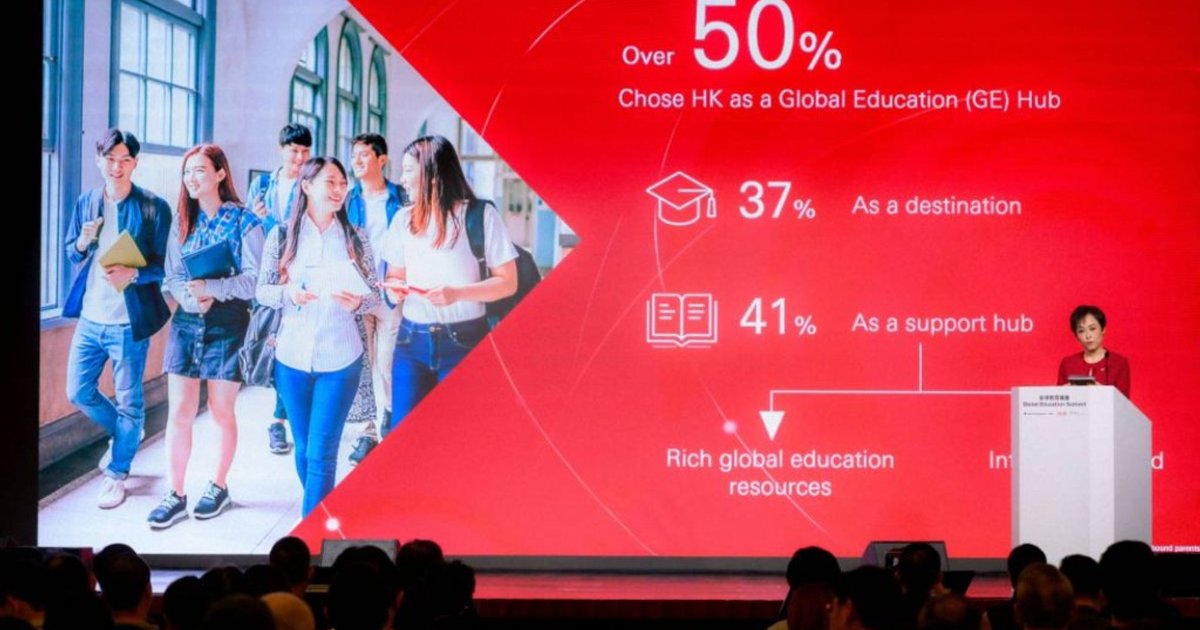
- Hong Kong's role as a global education destination is strengthening, with over half of non-local respondents selecting it as their children's education or support base, including over one-third as a direct destination and 40% as a support hub
- Mainland families planning to relocate to Hong Kong for education surged from 37% in 2025 to 64% in 2026, representing a 27-percentage-point increase in just one year
- The projected total cost of overseas education has reached HK$3.5 million, driven by inflation, increased tax burdens, and rising rental expenses in major education destinations
- With average family annual income at approximately HK$1.4 million, global education expenses consume roughly 36% of household income, creating substantial financial challenges for middle-class families
- More than 20% of surveyed families began their education planning before their children entered kindergarten, emphasizing the long-term strategic approach parents are taking
- The United Kingdom remains the top overseas study destination for both local and non-local parents, followed by the United States and Canada
Why It Matters
Hong Kong's transformation into a global education hub carries significant implications for the city's real estate, healthcare, and social services sectors. The near-doubling of mainland families seeking to relocate for education purposes suggests intensifying competition for housing and resources, potentially reshaping demographic patterns across the territory. The substantial financial burden of HK$3.5 million for overseas education highlights the growing class divide in access to quality education, prompting questions about educational equity and the long-term competitiveness of families who cannot afford such investments .
Hong Kong's transformation into a global education hub carries significant implications for the city's real estate, healthcare, and social services sectors. The near-doubling of mainland families seeking to relocate for education purposes suggests intensifying competition for housing and resources, potentially reshaping demographic patterns across the territory. The substantial financial burden of HK$3.5 million for overseas education highlights the growing class divide in access to quality education, prompting questions about educational equity and the long-term competitiveness of families who cannot afford such investments .