Germany probes fake Nazi-heir passport scheme
AM730 · 2 SOURCESabout 1 hour ago2 MIN
Summary
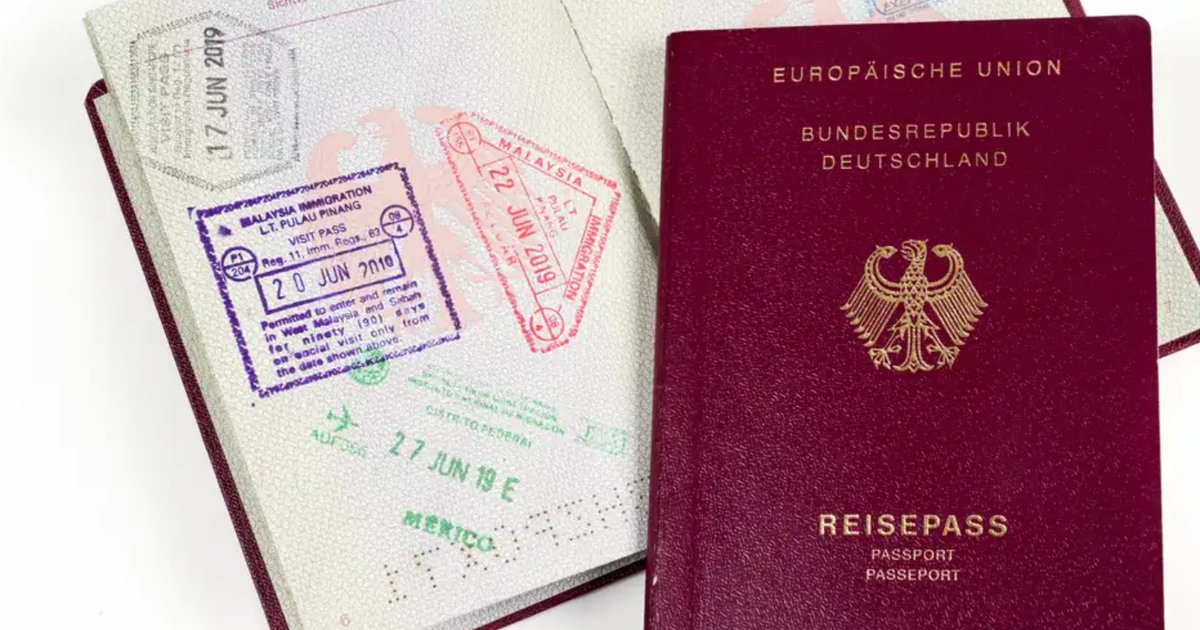
German investigators are examining an alleged cross-border identity fraud scheme involving Chinese nationals who are suspected of falsely claiming descent from Jews persecuted during the Nazi era in order to obtain German citizenship and passports. According to the reports, 32 suspects are under investigation by Germany's Federal Criminal Police Office and the Duesseldorf public prosecutor's office, with roughly half already granted German passports and the remainder having submitted naturalisation applications. Prosecutors said the suspects exploited Article 116 of Germany's Basic Law, a restitution provision for victims of Nazi persecution and their descendants that waives language, residency and naturalisation-fee requirements. The case came to light after US investigators traced the documents of a Chinese murder suspect, identified only as Liu, and found that he and his family allegedly held German passports based on false identities.
Key Points
- Prosecutors said the suspects used public historical archives to obtain real biographical details of Nazi victims, then built false family histories around them.
- The applications were allegedly prepared with the help of intermediaries in Israel, who forged biographies and genealogies and submitted notarised copies.
- German authorities said Article 116 also covers descendants of people stripped of citizenship under Nazi rule, including children born outside marriage
- Investigators found several suspects were linked to the same refugee Jewish couple, including fabricated offspring supposedly born only nine months apart.
- Liu, wanted over the 2024 kidnapping and killing of two ethnic Chinese businessmen in the Philippines, allegedly told investigators US$600,000 could secure German nationality in just over a year.
Why It Matters
For Hong Kong readers, the case is a reminder that citizenship-by-descent channels in Europe can become targets for organised document fraud, especially when checks rely heavily on historical records and notarised paperwork. It also shows how false identities and second passports may be used by suspects trying to evade law enforcement across borders, complicating extradition and immigration screening.