Northern Metropolis University Towns Key to Hong Kong's I&T and Education Hub Ambitions
HK01 · 1 SOURCESabout 2 hours ago2 MIN
Summary
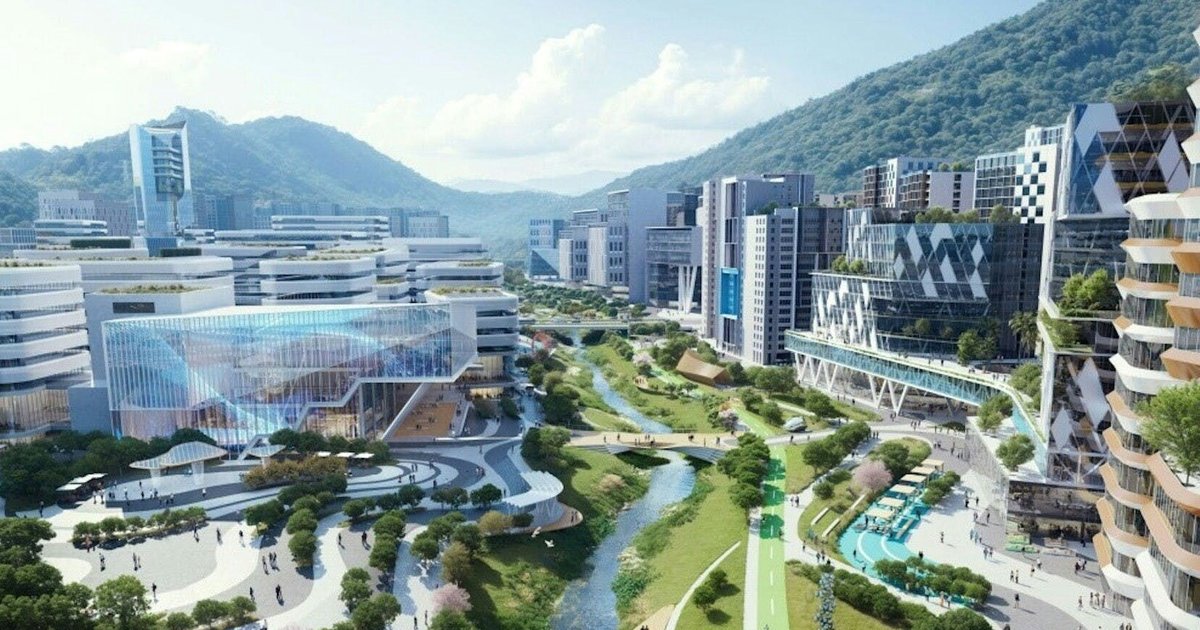
Northern Metropolis University Towns are essential to Hong Kong's ambition of becoming both an innovation hub and an international education center, according to an HK01 editorial. The article emphasizes that while universities are a critical component of the "South Finance, North I&T" strategy, university towns should not be limited to serving innovation and technology alone. With the government expanding non-local student quotas and three university towns under development, Hong Kong has an unprecedented opportunity to transform its higher education landscape.
Key Points
- The success of DeepMind in London demonstrates how proximity to top universities creates fertile ground for AI development
- Hong Kong's talent drain occurs because doctoral graduates lack local tech giants or successful startups to employ them
- Three Northern Metropolis university towns will need corporate R&D centers from companies like Huawei and Tencent to retain talent
- Non-local student quotas will increase from 40% to 50% for taught programs and from 100% to 120% for research programs starting 2026/27
- Hong Kong aims to grow non-local students from approximately 80,000 in 2024/25 to 100,000 by 2029/30
Why It Matters
The development of three university towns in Northern Metropolis represents a generational opportunity to address Hong Kong's longstanding challenge of retaining talent while establishing the city as an international education hub. If successful, these integrated academic, research, and living spaces could attract students from regions beyond traditional destinations like the UK and US, ultimately strengthening Hong Kong's competitiveness in both innovation and higher education across Asia .
The development of three university towns in Northern Metropolis represents a generational opportunity to address Hong Kong's longstanding challenge of retaining talent while establishing the city as an international education hub. If successful, these integrated academic, research, and living spaces could attract students from regions beyond traditional destinations like the UK and US, ultimately strengthening Hong Kong's competitiveness in both innovation and higher education across Asia .