HKU Biomimetic Fish Uncovers Hong Kong Coral Heat Tolerance Mystery
AM730 · 1 SOURCESabout 2 hours ago2 MIN
Summary
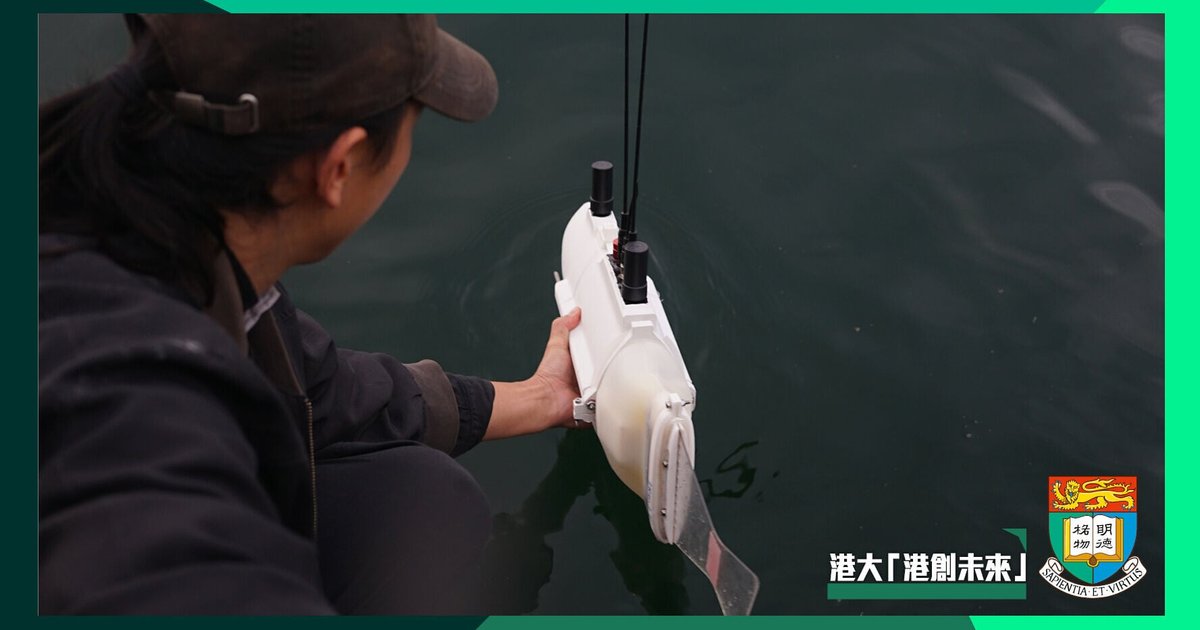
Researchers at the University of Hong Kong (HKU) have deployed a biomimetic mechanical fish to investigate why certain Hong Kong corals exhibit remarkable heat tolerance amid rising sea temperatures linked to global warming. The interdisciplinary project, conducted jointly by HKU's Swire Institute of Marine Science and engineering startup Snapp, seeks to understand the role of the thermocline—a natural boundary between warmer and cooler seawater layers—in helping corals survive thermal stress. During field tests conducted near Shek O in June 2026, the mechanical fish collected over 25,000 data points in approximately two hours, demonstrating the viability of this innovative monitoring approach.
Key Points
- Hong Kong hosts over 80 species of stony coral, making it one of the most significant coral habitats in South China .
- The biomimetic mechanical fish, developed through HKU-Snapp collaboration, holds two Guinness World Records, including completing 50 meters in 22.92 seconds .
- Field tests near Shek O on June 2, 2026 demonstrated the fish collected more than 25,000 data points within roughly two hours of continuous operation .
- The mechanical fish can operate autonomously for up to approximately 8 hours and carries temperature sensors capable of measuring different depths and locations .
- Traditional marine monitoring methods—including research vessels, diver surveys, and fixed sensors—require significant resources and have limited coverage, making the mechanical fish a more cost-effective alternative .
- Researchers hypothesize that the thermocline acts as a natural cold-water barrier during summer, moderating water temperatures around coral habitats .
Why It Matters
This research could establish Hong Kong as a model for understanding how marine ecosystems adapt to climate change, potentially guiding conservation strategies worldwide. The successful deployment of the mechanical fish also demonstrates Hong Kong's capacity for interdisciplinary innovation, combining marine science with engineering to address pressing environmental challenges .
This research could establish Hong Kong as a model for understanding how marine ecosystems adapt to climate change, potentially guiding conservation strategies worldwide. The successful deployment of the mechanical fish also demonstrates Hong Kong's capacity for interdisciplinary innovation, combining marine science with engineering to address pressing environmental challenges .